
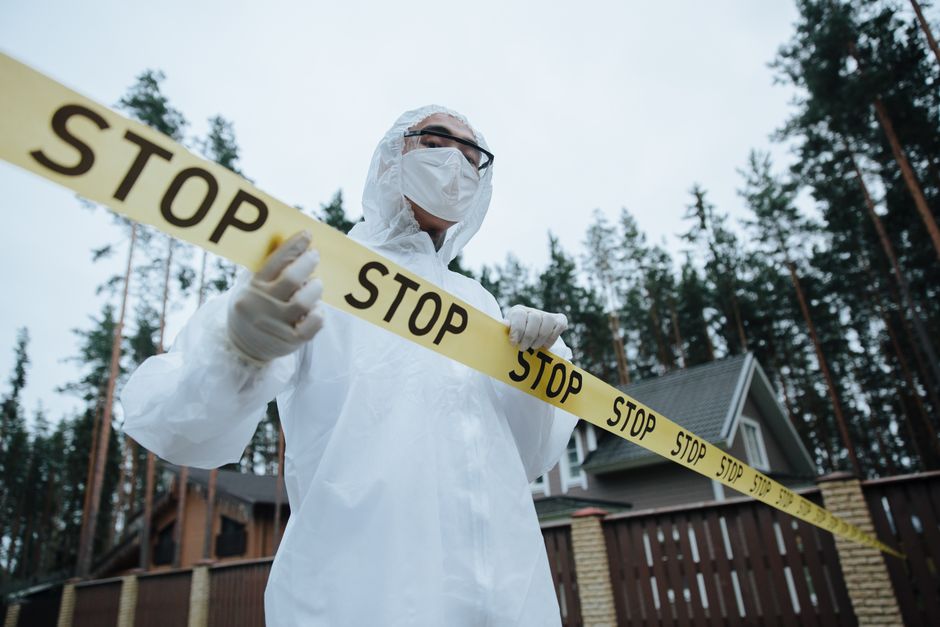
Crime scene cleanup is a critical yet often overlooked aspect of law enforcement and public safety. When a crime occurs, the aftermath can be both traumatic and hazardous, requiring specialized knowledge and skills to restore the area safely. This article delves into the intricacies of crime scene cleanup, exploring its significance, the processes involved, and the challenges faced by professionals in this field.
Understanding Crime Scene Cleanup
Crime scene cleanup refers to the process of removing hazardous materials, blood, and other biohazards from a scene of a violent crime, accident, or trauma. These professionals, often referred to as biohazard remediation specialists, play a vital role in ensuring that a location is safe and habitable once again. The cleanup process is not just about aesthetics; it also involves the removal of potential health risks that can arise from exposure to bodily fluids and other contaminants.
In many cases, families are left to handle the aftermath of a traumatic event, which can be overwhelming. This is where professional crime scene cleanup services come into play, providing both physical and emotional support during a difficult time. Their expertise allows them to quickly assess the situation and determine the best course of action for cleaning and restoring the area.
The Process of Crime Scene Cleanup
The crime scene cleanup process typically begins with an assessment. Professionals evaluate the extent of the contamination and determine the necessary steps for cleanup. This may include wearing personal protective equipment (PPE) to safeguard against exposure to harmful substances. Following this, the cleanup involves several key steps:
- Containment: Isolating the area to prevent the spread of contaminants.
- Removal: Disposing of any materials that cannot be sanitized, including carpets, furniture, and walls that have absorbed biohazards.
- Cleaning: Using specialized cleaning agents and techniques to sanitize surfaces and eliminate any lingering odors.
- Restoration: Repairing and restoring the area to its original condition, which may include painting, replacing flooring, or even structural repairs.
Each of these steps is crucial in ensuring that the area is safe for future use. The cleanup process can vary significantly depending on the nature of the incident, ranging from a simple homicide to a more complex situation involving hazardous materials.
Legal and Ethical Considerations
Crime scene cleanup professionals operate under strict legal and ethical guidelines. They must be aware of local laws regarding biohazard disposal and maintain compliance with health and safety regulations. Additionally, they often work closely with law enforcement and other agencies to ensure that evidence is preserved and that their actions do not interfere with ongoing investigations.
Furthermore, the emotional aspect of crime scene cleanup cannot be overlooked. Professionals in this field must approach their work with sensitivity and compassion, understanding that they are entering spaces that hold significant emotional weight for those affected by the incident. This requires not only technical skills but also strong interpersonal skills to navigate interactions with grieving families.
The Challenges of the Profession
Despite the rewarding nature of helping others during their darkest times, crime scene cleanup presents numerous challenges. For one, the work can be physically demanding and emotionally taxing. Professionals may encounter traumatic scenes that can have a lasting impact on their mental health. To mitigate this, many companies provide support systems and counseling for their employees.
Moreover, the industry is often misunderstood. There can be stigma associated with crime scene cleanup, leading to difficulties in gaining the respect and recognition that these professionals deserve. Education and awareness are crucial in changing public perceptions and highlighting the importance of this essential service.
Conclusion
In conclusion, crime scene cleanup is a vital service that requires specialized knowledge, skills, and a deep sense of empathy. The process not only restores physical spaces but also aids in the healing of those affected by traumatic events. As we continue to recognize the importance of this profession, it is essential to support and educate the public about the complexities and challenges faced by crime scene cleanup professionals. For further insights into the procedures and significance of crime scene cleanup, consider exploring dedicated resources that provide comprehensive information on the subject.
About the Author