In today’s fast-paced world, the importance of immediate medical response cannot be overstated. Sudden cardiac arrest can occur without warning, making it crucial for communities and organizations to be prepared. One of the key components of effective emergency response is the availability of defibrillators. This article explores the vital role of defibrillator suppliers in ensuring that these life-saving devices are accessible when they are needed the most.
Understanding Defibrillators
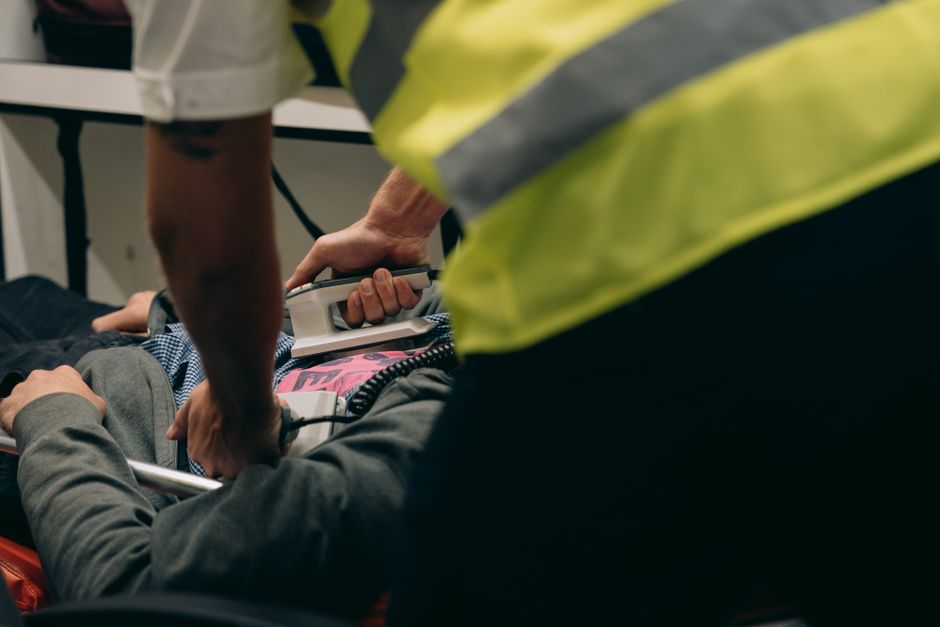
Defibrillators are medical devices that deliver an electric shock to the heart to restore its normal rhythm during a cardiac arrest. There are several types of defibrillators, including automated external defibrillators (AEDs) and manual defibrillators used by trained medical professionals. The presence of these devices in public spaces, workplaces, and homes can dramatically increase survival rates in emergency situations.
Statistics reveal that every minute without defibrillation decreases the chance of survival by about 10%. Consequently, having defibrillators readily available is not just beneficial but essential. Understanding how these devices function and where they can be found is crucial for anyone interested in improving emergency preparedness.
The Role of Defibrillator Suppliers
Defibrillator suppliers play a pivotal role in the healthcare ecosystem. They are responsible for distributing these critical devices, ensuring that they are available in various settings, from schools to offices and public parks. Suppliers also provide training and maintenance services, which are vital for keeping the devices operational and ensuring that users feel confident in using them.
In addition to selling defibrillators, many suppliers offer comprehensive training programs for individuals and organizations. These programs often cover how to use the devices, basic CPR techniques, and emergency response strategies. By educating the public, defibrillator suppliers enhance community preparedness and empower bystanders to take action during cardiac emergencies.
Choosing the Right Supplier
When selecting a defibrillator supplier, it’s essential to consider several factors. First, evaluate the range of products offered. A reputable supplier should provide various options, including AEDs that are suitable for different environments and user needs. Additionally, check if the supplier offers ongoing support and maintenance services, as these are crucial for ensuring that the devices function properly when needed.
Furthermore, consider the supplier’s reputation and customer reviews. Testimonials from previous clients can provide insights into the quality of customer service and the reliability of the products. Finally, it’s important to inquire about training programs. A supplier that offers training can significantly enhance the effectiveness of the defibrillator by ensuring users are well-prepared.
The Impact of Technology on Defibrillator Supply
Technology is continuously evolving, and the field of defibrillation is no exception. Modern AEDs come equipped with advanced features such as voice prompts, visual aids, and even connectivity to emergency services. These innovations make it easier for untrained bystanders to use the devices effectively, increasing the chances of survival.
Suppliers must stay updated on the latest technological advancements to provide the best products to their clients. This means not only stocking the latest models but also offering training on how to use new features effectively. As technology progresses, the role of defibrillator suppliers will continue to evolve, emphasizing the need for ongoing education and support.
Building Community Awareness
The presence of defibrillators is only part of the solution; community awareness is equally important. Defibrillator suppliers often engage in outreach efforts to educate the public about the importance of these devices. This can include hosting community events, providing informational materials, and collaborating with local organizations to promote cardiac health.
By increasing awareness about the availability and use of defibrillators, suppliers can help create a culture of preparedness. Community members who know where defibrillators are located and how to use them are more likely to act in emergencies, ultimately saving lives.
Conclusion
The role of defibrillator suppliers extends far beyond merely selling devices. They are essential partners in the broader healthcare system, providing education, support, and innovation to improve emergency response. By ensuring that defibrillators are available and that communities are educated about their use, these suppliers contribute significantly to saving lives. As we continue to recognize the importance of immediate medical response, the contributions of defibrillator suppliers will remain invaluable in enhancing public health and safety. For those looking to invest in life-saving technology, working with a reputable defibrillator supplier is a critical step.
About the Author