Aerial drone photography has revolutionized the way we capture images from above. This innovative technology allows photographers and videographers to create stunning visual narratives that were once limited to professional filmmakers or aerial surveyors. With drones becoming more accessible and user-friendly, both professionals and hobbyists alike can explore new creative avenues. In this article, we will delve into the key aspects of aerial drone photography, its applications, and tips for capturing breathtaking images.
Understanding Aerial Drone Photography
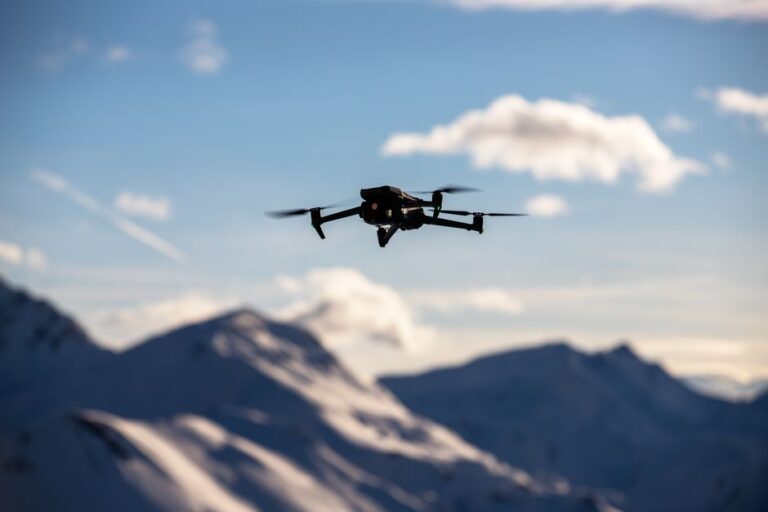
Aerial drone photography refers to the process of capturing images and videos from a drone, which is an unmanned aerial vehicle (UAV). Drones equipped with high-resolution cameras offer a unique perspective, allowing photographers to capture landscapes, architectural structures, and events from angles that were previously difficult or impossible to achieve. This technology has opened new doors for creative expression and documentation.
The rise of drones in photography can be attributed to advancements in technology, including improved battery life, GPS navigation, and stabilization systems. These features enable drones to fly steadily and capture high-quality images, making them ideal for a variety of applications, from real estate to cinematography.
Applications of Aerial Drone Photography
Aerial drone photography has a wide range of applications across various industries. In real estate, for example, agents utilize drone photography to showcase properties from above, highlighting their landscapes and surroundings. This aerial perspective can significantly enhance property listings, attracting more potential buyers.
In the realm of filmmaking, aerial drone photography has become a staple in capturing expansive landscapes and dynamic action sequences. Directors and cinematographers use drones to achieve breathtaking shots that enhance storytelling and immerse audiences in the narrative.
Moreover, aerial photography is invaluable for surveying and mapping. Drones can quickly cover large areas, capturing detailed images that can be used for analysis in agriculture, construction, and environmental monitoring. The efficiency and precision of aerial drone photography make it an essential tool for professionals in these fields.
Tips for Capturing Stunning Aerial Images
To make the most of aerial drone photography, consider the following tips to improve your skills and capture stunning images:
1. **Know Your Drone**: Familiarize yourself with your drone’s features and controls. Understanding how to operate your drone effectively will help you capture better images and avoid accidents.
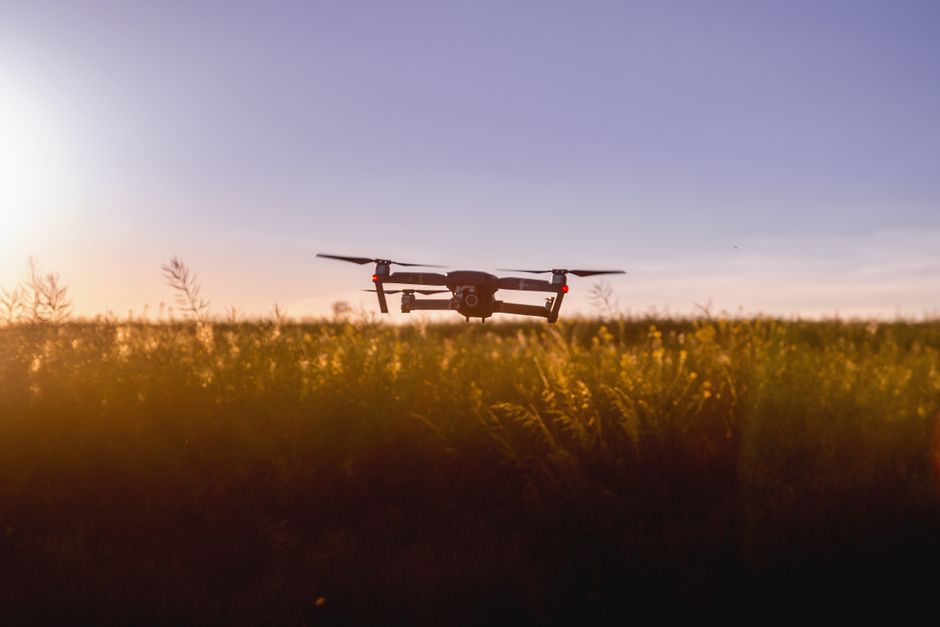
2. **Choose the Right Time**: Lighting plays a crucial role in photography. The golden hour, shortly after sunrise or before sunset, provides soft and warm light that enhances the beauty of landscapes.
3. **Plan Your Shots**: Before flying, scout your location and plan your shots. Knowing the best angles and compositions can save you time and help you achieve your desired results.
4. **Experiment with Angles**: Don’t be afraid to try different altitudes and angles. A unique perspective can make your images stand out and tell a different story.
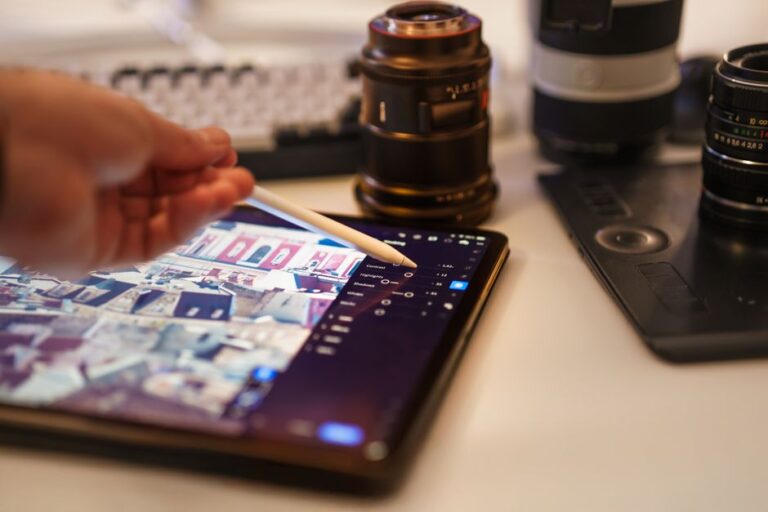
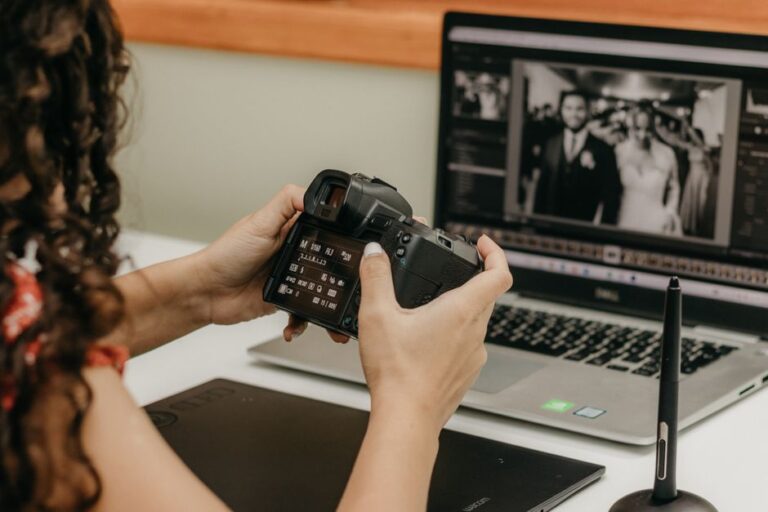
5. **Post-Processing**: Editing your images can enhance their appeal. Use photo editing software to adjust colors, contrast, and sharpness to create professional-looking photographs.
Lastly, remember to check local regulations regarding drone usage, as there may be restrictions on where and how you can fly your drone.
Challenges in Aerial Drone Photography
While aerial drone photography offers numerous benefits, it also comes with its challenges. One significant challenge is navigating regulations and restrictions. Many countries have specific laws governing the use of drones, particularly in urban areas or near airports.
Weather conditions can also pose a challenge for drone photographers. Wind, rain, and low visibility can affect flight stability and image quality. It’s essential to check the weather before heading out to capture aerial images.
Additionally, learning to fly a drone requires practice. Beginners may encounter difficulties with controlling the drone and capturing stable images. However, with patience and experience, these skills can be developed over time.
The Future of Aerial Drone Photography
The future of aerial drone photography looks promising as technology continues to evolve. Advancements in artificial intelligence and machine learning are expected to enhance automated flight and image capture, making it easier for photographers to achieve stunning results.
Moreover, as more industries recognize the value of aerial imagery, the demand for skilled drone photographers is likely to increase. This trend presents opportunities for photographers to explore new markets and expand their services.
In conclusion, aerial drone photography offers exciting possibilities for capturing the world from a new perspective. Whether for personal enjoyment or professional endeavors, mastering this art form can lead to breathtaking imagery that tells compelling stories. As you venture into the world of aerial photography, consider exploring the resources available, including services that specialize in aerial drone photography, to enhance your skills and creativity.
About the Author