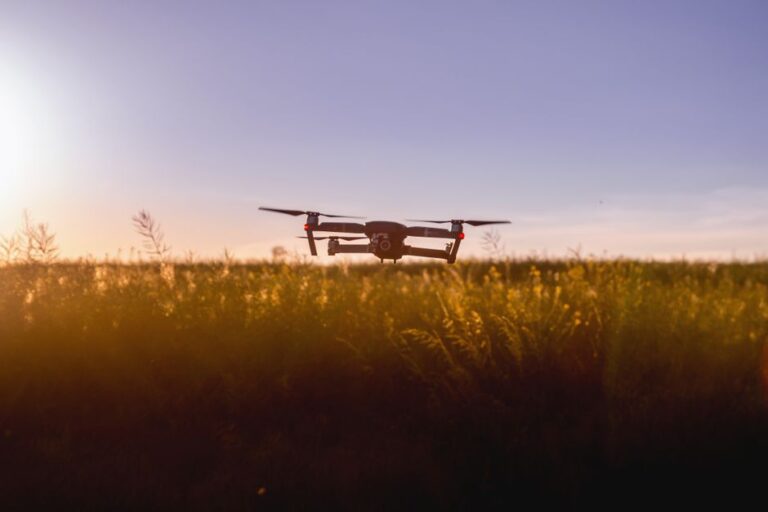
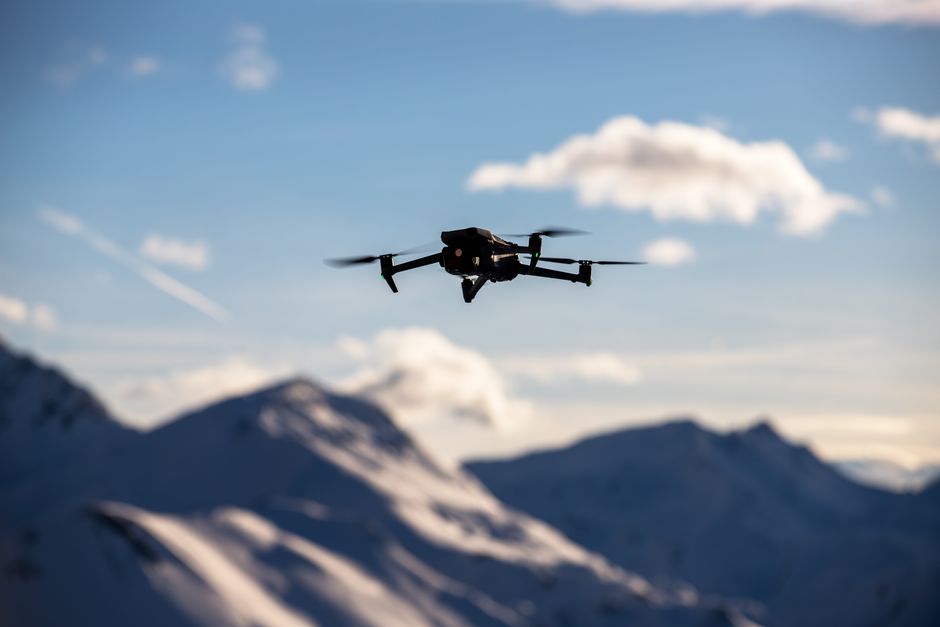
Aerial drone photography has revolutionized the way we capture and perceive our surroundings. With advancements in technology, drones equipped with high-resolution cameras have made it possible to explore and document landscapes from a bird’s-eye view. This article delves into the various aspects of aerial drone photography, its applications, benefits, and the future it holds for photographers and enthusiasts alike.
The Rise of Aerial Drone Photography
Over the last decade, the use of drones for photography has skyrocketed. Initially popular among hobbyists, the accessibility of drones has now caught the attention of professional photographers and videographers. According to a report by the Federal Aviation Administration (FAA), the number of registered drones in the United States surpassed 1.7 million in 2020, highlighting the growing interest in this field.
One of the key factors contributing to the rise of aerial drone photography is the decreasing cost of drones. High-quality models that were once considered prohibitively expensive are now available at consumer-friendly prices. This democratization of technology has enabled a wider range of individuals to experiment with aerial photography.
Additionally, the versatility of drones allows for various applications. From real estate photography to event coverage and even agricultural monitoring, the potential uses are vast. The incorporation of aerial drone photography into these fields has proven to provide unique perspectives that traditional photography simply cannot achieve.
Applications of Aerial Drone Photography
The applications of aerial drone photography extend well beyond mere aesthetics. In the real estate sector, for instance, aerial shots can showcase properties in a way that ground-level photography cannot. Drones can capture expansive views of homes and their surroundings, providing potential buyers with a comprehensive understanding of the property.
In the realm of events, drones are increasingly utilized for capturing weddings, festivals, and other significant gatherings. The dynamic shots and sweeping views that drones can provide add a unique flavor to event photography, allowing for breathtaking memories to be immortalized.
Beyond commercial uses, aerial drone photography has significant implications in environmental monitoring and disaster management. Drones can be deployed to survey large areas affected by natural disasters, providing critical data for relief efforts. Their ability to access hard-to-reach places makes them invaluable tools for environmental scientists and researchers.
Technical Considerations and Best Practices
While the allure of aerial drone photography is undeniable, it is essential for photographers to understand the technical aspects involved. Factors such as drone altitude, camera settings, and lighting conditions can greatly affect the quality of the images captured. Understanding how to maneuver a drone effectively is also paramount; mastering flight controls and safety protocols ensures both the success of the shoot and compliance with regulations.
Moreover, post-processing plays a crucial role in enhancing aerial photographs. Software such as Adobe Lightroom and Photoshop allows photographers to edit and refine their images, bringing out the best in their aerial shots. Techniques like HDR (High Dynamic Range) imaging can also be employed to capture greater detail in both shadows and highlights.
Additionally, drone operators must be aware of the legal regulations governing drone flights in their respective areas. Obtaining the necessary licenses and permits is essential to avoid potential fines and ensure responsible usage of aerial drones.
The Future of Aerial Drone Photography
The future of aerial drone photography appears bright, with technological advancements continually enhancing the capabilities of drones. Innovations such as improved battery life, enhanced image stabilization, and AI-powered features are paving the way for even more creative possibilities.
Furthermore, as industries increasingly adopt drone technology, the demand for skilled aerial photographers is likely to grow. This presents an exciting opportunity for aspiring photographers to carve out a niche in this evolving field. Networking with other professionals and continuously honing one’s skills can provide a significant advantage in this competitive market.
As drone technology continues to evolve, we can expect to see more sophisticated applications in fields like urban planning, wildlife conservation, and even filmmaking. The potential for aerial drone photography to contribute to various sectors is immense, making it an exciting time to be involved in this industry.
Conclusion
Aerial drone photography is not just a trend; it is an evolving art form that offers endless possibilities. From its rise in popularity to its diverse applications and the technical considerations that come with it, there has never been a more exciting time to explore this medium. As we look to the future, the potential for aerial photography to capture stunning visuals and provide critical insights into our world is limitless. Whether you’re a hobbyist or a professional photographer, embracing the world of aerial drone photography can elevate your work and open new doors of opportunity.
About the Author