In recent years, LED (Light Emitting Diode) technology has revolutionized the way we think about lighting. From residential homes to commercial spaces, the benefits of LEDs are becoming increasingly apparent. With their energy efficiency, longevity, and versatility, LEDs are not just a trend but a sustainable solution for modern lighting needs. This article explores the various aspects of LED technology, its applications, and the future it holds.
Understanding LED Technology
LEDs work by passing an electric current through a semiconductor material, which then emits light. This process is known as electroluminescence. Unlike traditional incandescent bulbs, which generate light by heating a filament, LEDs produce light much more efficiently. According to the U.S. Department of Energy, LEDs use at least 75% less energy than incandescent lighting.
The development of LED technology dates back to the early 1960s, but it wasn’t until the 1990s that they became widely available for general lighting purposes. Today, they are available in a variety of colors and intensities, making them suitable for a wide range of applications—from decorative lighting to functional illumination.
Energy Efficiency and Environmental Impact
One of the most significant advantages of LED technology is its energy efficiency. LEDs consume far less power than traditional lighting solutions, which translates to lower electricity bills and reduced carbon footprints. For instance, a standard LED bulb can last up to 25,000 hours compared to only 1,000 hours for an incandescent bulb. This longevity means less frequent replacements, which contributes to less waste in landfills.
In addition to the energy savings, LEDs are also free from toxic elements such as mercury, which is commonly found in fluorescent lights. This aspect makes them more environmentally friendly and safer for disposal. As consumers become more environmentally conscious, the shift toward LED lighting is expected to accelerate.
Applications of LED Technology
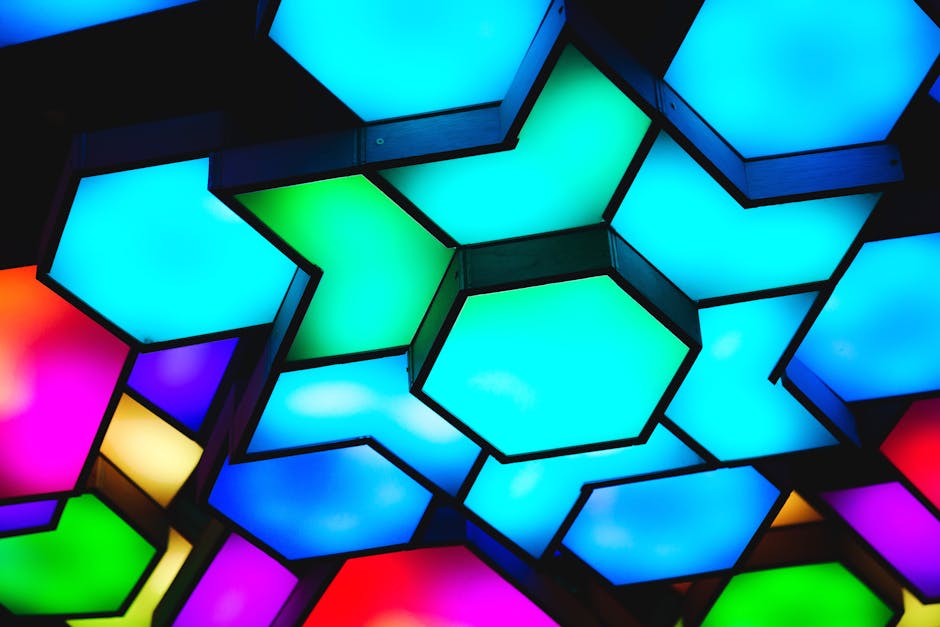
The versatility of LEDs allows them to be used in numerous applications across different sectors. In residential settings, LEDs are increasingly used for ambient lighting, task lighting, and accent lighting. They can be found in fixtures, recessed lighting, and even decorative strips. For example, benzi LED RGB have gained popularity for their ability to create vibrant atmospheres in homes.
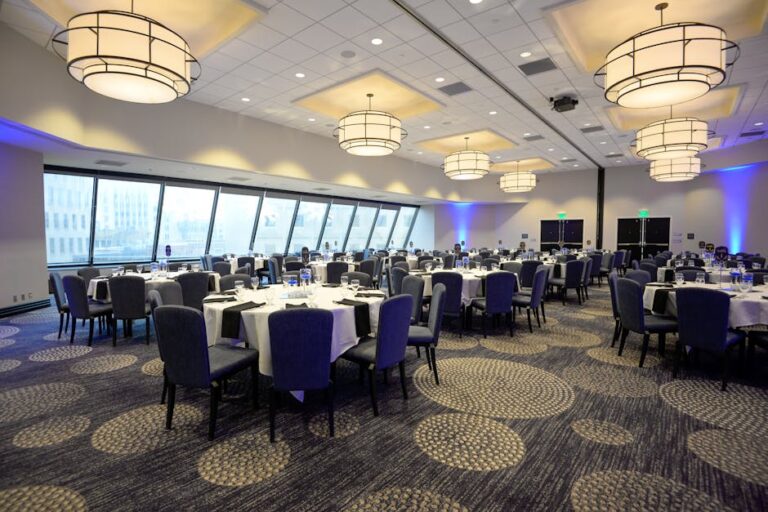
Commercially, LEDs are used in retail environments to enhance product displays, in offices for energy-efficient lighting, and in outdoor settings for street lighting and signage. The ability to easily control the brightness and color of LEDs also opens up new possibilities in architectural lighting and event design.
The Future of LED Technology
As technology continues to advance, the future of LED lighting looks promising. Innovations such as smart LEDs are emerging, allowing for enhanced control through apps and smart home systems. These smart systems can adapt to the environment, changing brightness and color temperature based on the time of day or occupancy.
Furthermore, research is being conducted into organic LEDs (OLEDs), which could lead to even thinner and more flexible lighting solutions. OLEDs can be used in displays and as light sources, offering a different aesthetic and functional possibilities compared to traditional LEDs.
Conclusion
LED technology has transformed the lighting industry, offering energy-efficient, long-lasting, and versatile solutions for a wide range of applications. As consumers and businesses increasingly prioritize sustainability, the adoption of LED lighting is expected to grow. With ongoing advancements in technology and design, LEDs will continue to illuminate our spaces while reducing environmental impact. The future of lighting is bright, and LEDs are at the forefront of this evolution.
About the Author