
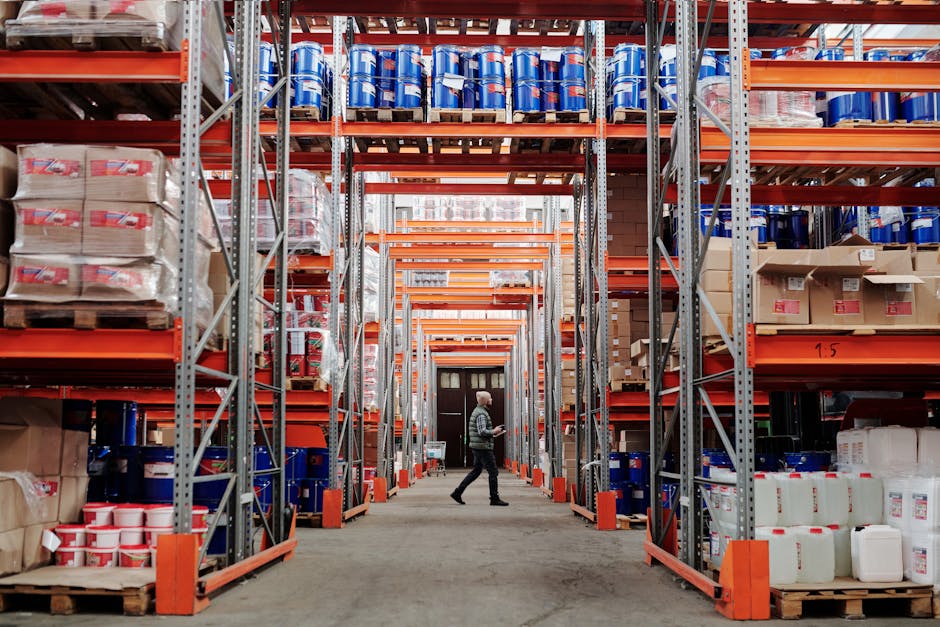
In today’s complex and rapidly evolving marketplace, the role of distributors has become increasingly vital. Distributors act as intermediaries between manufacturers and retailers, ensuring that products reach consumers efficiently and effectively. This article delves into the various aspects of distribution, exploring its importance, challenges, and future trends.
The Definition and Function of Distributors
At its core, a distributor is an entity that purchases products from manufacturers and sells them to retailers or directly to consumers. They play a crucial role in the supply chain by managing logistics, inventory, and sometimes even marketing efforts. Distributors can simplify the process for manufacturers by handling everything from warehousing to transportation, allowing them to focus on production and innovation.
Distributors also bring valuable market knowledge to manufacturers, helping them understand consumer preferences and market trends. This insight can be essential for making informed decisions about product development and marketing strategies. Furthermore, distributors often have established relationships with retailers, which can facilitate quicker and more effective product placements.
The Benefits of Using Distributors
One of the primary advantages of working with distributors is their ability to reduce costs associated with logistics and inventory management. By leveraging their networks and expertise, businesses can save time and resources, ultimately leading to better profitability. For example, distributors can manage bulk purchases, enabling manufacturers to benefit from economies of scale.
Additionally, using distributors allows companies to expand their market reach without the need for significant investments in their own sales teams or infrastructure. This is particularly beneficial for small to medium-sized enterprises (SMEs) that may not have the resources to establish a widespread distribution network.
Challenges Faced by Distributors
Despite their many advantages, distributors also face several challenges in today’s market. One significant issue is the rapid pace of change in consumer preferences and technological advancements. Distributors must continually adapt to these changes to remain relevant and effective. For instance, the rise of e-commerce has transformed the way products are distributed, requiring distributors to develop new strategies for online sales.
Moreover, competition among distributors can be fierce, leading to pressure on pricing and margins. Companies may find themselves needing to differentiate their services through value-added offerings, such as enhanced customer service or specialized logistics capabilities.
The Future of Distribution
As the business landscape continues to evolve, the role of distributors is likely to change in several ways. Innovations in technology, such as artificial intelligence and automation, are set to transform logistics and inventory management processes. Distributors that embrace these technologies will be better positioned to optimize operations and enhance customer satisfaction.
Moreover, the trend toward sustainability is influencing distribution strategies. Many consumers are increasingly concerned about the environmental impact of their purchases, prompting distributors to seek more eco-friendly practices. This may include optimizing transportation routes to reduce emissions or collaborating with manufacturers to develop sustainable packaging solutions.
In this context, the integration of advanced solutions like BPC157+TB500 into the supply chain could also revolutionize the way products are marketed and sold, offering new avenues for growth.
Conclusion
In summary, distributors play a critical role in the modern business ecosystem, acting as vital links between manufacturers and consumers. While they face challenges, such as adapting to technological advancements and changing consumer preferences, they also offer significant benefits that can drive business success. As the landscape continues to evolve, those who can innovate and adapt will thrive, ensuring that distribution remains a cornerstone of effective business strategy.
About the Author