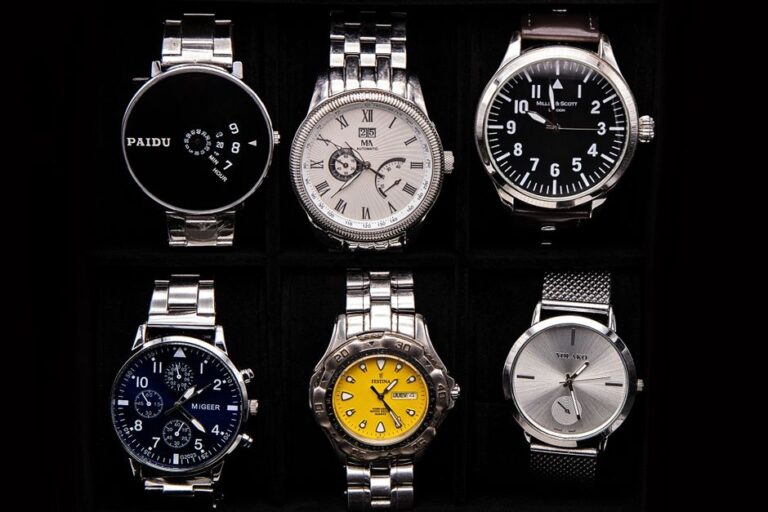
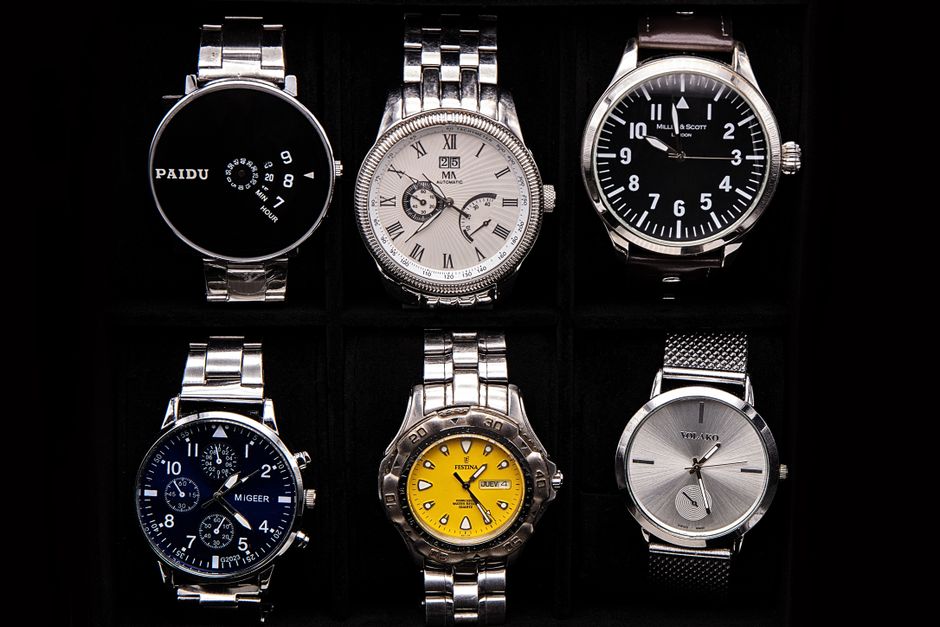
Wristwatches have long transcended their primary function of telling time, evolving into symbols of status, style, and innovation. In today’s fast-paced world, these intricate devices serve as both practical tools and fashion statements. Whether you are a seasoned collector or a casual wearer, understanding the nuances of wristwatches can enhance your appreciation for this remarkable art form.
The History of Wristwatches
The evolution of wristwatches dates back to the late 19th century, when pocket watches were the norm. The transition to wristwatches began during World War I, when soldiers needed a more practical way to keep time. This shift marked a significant turning point in horological history, as wristwatches became more popular among both men and women.
In the early 20th century, brands like Patek Philippe and Cartier began producing wristwatches that combined functionality with exquisite craftsmanship. By the 1920s and 1930s, wristwatches had solidified their place in the market, with various styles emerging to cater to different tastes. The introduction of automatic movements in the 1950s further revolutionized the industry, allowing watches to wind themselves through the motion of the wearer’s wrist.
Types of Wristwatches
Today, wristwatches come in a myriad of styles, each designed to serve different purposes. The primary categories include mechanical, quartz, digital, and smartwatches. Mechanical watches are often prized for their intricate craftsmanship and traditional techniques, while quartz watches are celebrated for their accuracy and low maintenance.
Digital watches have gained popularity due to their multifunctionality, offering features like alarms, timers, and backlighting. Meanwhile, smartwatches have emerged as a fusion of technology and fashion, providing users with notifications, health tracking, and even contactless payment options. The market for these watches has exploded, with many brands competing for a share of this lucrative segment.
The Art of Watchmaking
The process of creating a wristwatch is nothing short of an art form. From the initial design sketches to the final assembly, watchmakers dedicate countless hours to ensure each piece meets the highest standards of quality. The intricate movements, often comprising hundreds of tiny parts, are meticulously crafted and assembled by skilled artisans.
Brands such as Rolex and Audemars Piguet are renowned for their commitment to excellence, often employing traditional techniques passed down through generations. The use of high-quality materials, such as stainless steel, gold, and sapphire crystal, further enhances the durability and aesthetics of these timepieces.
Maintaining Your Wristwatch
Proper maintenance is crucial for preserving the longevity and functionality of your wristwatch. Regular servicing, typically every three to five years, ensures that the internal mechanisms are clean and lubricated. Additionally, it is essential to keep your watch away from extreme temperatures and magnetic fields, which can affect its accuracy.
For those who own luxury watches, investing in a quality watch box or winder can help prevent damage and keep your collection organized. Watch enthusiasts often enjoy sharing their passion by discussing various brands and models, and even exploring options like clone watches, which offer a more affordable alternative to high-end timepieces.
The Future of Wristwatches
As technology continues to advance, the future of wristwatches looks promising. Brands are increasingly integrating innovative features into their designs, such as solar-powered movements and eco-friendly materials. Furthermore, the rise of customization options allows consumers to create unique pieces that reflect their personal style.
The market for vintage watches is also thriving, with collectors seeking out rare models that tell a story. Auctions featuring prestigious brands attract attention from enthusiasts worldwide, highlighting the enduring appeal of wristwatches. The blend of tradition and modernity ensures that wristwatches will remain relevant for generations to come.
Conclusion
Wristwatches represent more than just a means of telling time; they embody history, craftsmanship, and innovation. As you explore the diverse world of wristwatches, whether you are drawn to classics or contemporary designs, you will undoubtedly find a piece that resonates with your personal aesthetic. Investing in a wristwatch is not just a purchase; it is an investment in a piece of art that tells time and reflects your individuality.
About the Author