
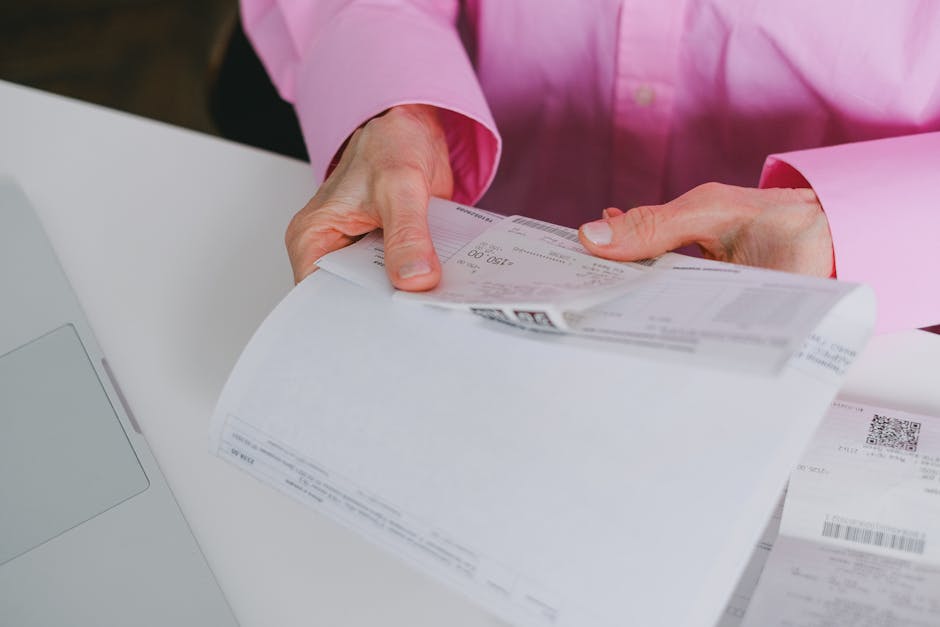
In today’s fast-paced business environment, the risk of encountering fraudulent invoices has increased significantly. As organizations strive to maintain their financial integrity, understanding how to detect fraud invoice practices has become imperative. Fraudulent invoices can result in substantial financial losses, and companies must be equipped with the right tools and knowledge to identify them effectively.
Understanding Fraudulent Invoices
Fraudulent invoices are deceptive documents that mimic legitimate billing statements with the intent to deceive the recipient into making payments for goods or services that were not provided. These invoices can come in various forms, from simple fake documents to sophisticated schemes that involve multiple layers of deception.
The most common types of fraudulent invoices include phishing scams, where fraudsters impersonate legitimate suppliers, and dummy invoices, which are created by criminals for non-existent services. According to a study by the Association of Certified Fraud Examiners, organizations lose an estimated 5% of their revenue each year to fraud, highlighting the need for robust detection mechanisms.
Signs of Fraudulent Invoices
Identifying fraudulent invoices requires vigilance and an eye for detail. There are several red flags that businesses should be aware of. First, discrepancies in invoice details, such as mismatched company names, addresses, or unusual billing amounts, should raise suspicion. Additionally, invoices that lack proper documentation or do not align with prior transactions should be scrutinized carefully.
Another common indicator of fraud is the use of generic email addresses or domains that do not match the legitimate supplier’s details. Businesses should also be cautious with invoices that demand immediate payment or have vague descriptions of the services rendered. Implementing a thorough verification process for all invoices can help in mitigating these risks.
Implementing an Invoice Verification Process
To effectively detect fraudulent invoices, companies should establish a robust invoice verification process. This process should include cross-referencing invoices with purchase orders and delivery receipts to ensure accuracy. Additionally, businesses should train employees to recognize the signs of fraud and encourage them to report any suspicious activity.
Utilizing technology can also enhance the invoice verification process. Automated systems that flag unusual transactions and analyze patterns in billing can significantly reduce the risk of fraud. For instance, software solutions that detect fraud invoice can streamline the verification process and provide alerts for anomalies.
Best Practices for Preventing Invoice Fraud
Preventing invoice fraud requires a proactive approach. Companies should regularly review their financial controls and update them as necessary. This includes conducting audits to identify vulnerabilities and ensuring that all employees understand their roles in preventing fraud.
Another effective strategy is to establish a clear communication channel with suppliers. Regularly verifying supplier information and maintaining open lines of communication can help in identifying any discrepancies early. Additionally, businesses should consider implementing a dual approval system for invoice payments to add an extra layer of security.
Conclusion
In conclusion, the threat of fraudulent invoices is a significant concern for organizations across all industries. By understanding the nature of these fraudulent practices and implementing robust detection and prevention strategies, businesses can safeguard their finances and maintain their operational integrity. Awareness and vigilance are key components in fighting against invoice fraud, and investing in the right tools and training can make all the difference in protecting against potential scams.
About the Author