
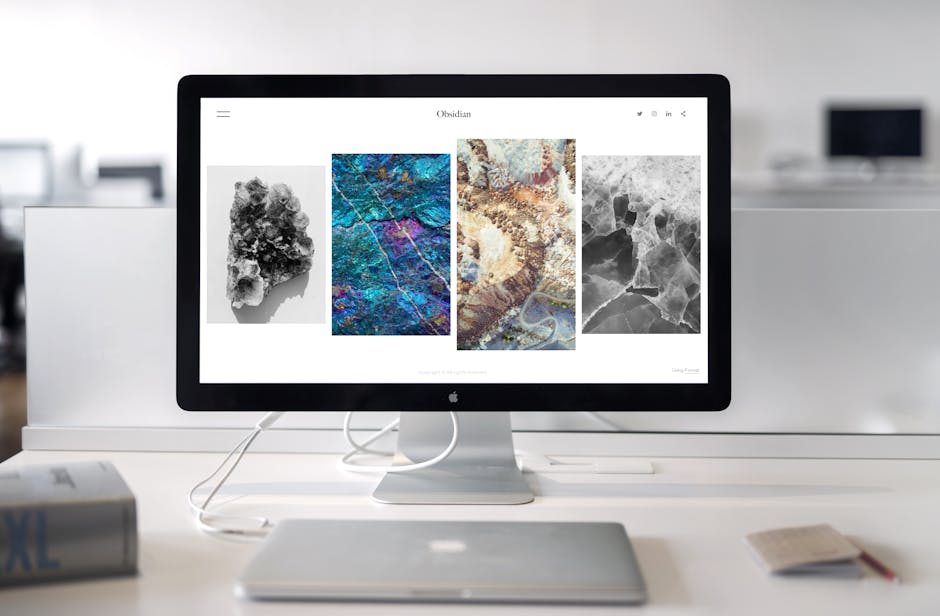
In the ever-evolving digital landscape, web design plays a crucial role in shaping user experience and driving engagement. As technology advances and user preferences shift, understanding the latest trends and techniques in web design becomes essential for both designers and businesses. This article delves into the key elements that define modern web design, exploring current trends, essential tools, and best practices that can enhance your online presence.
Current Trends in Web Design
Web design trends are constantly changing, influenced by technological advancements and changing user expectations. One significant trend is the rise of minimalism. Clean layouts, ample white space, and a focus on essential content help streamline user experience. Additionally, the use of bold typography and vibrant colors can capture attention and convey brand identity effectively.
Another notable trend is the integration of dark mode into web designs. This feature not only provides aesthetic appeal but also reduces eye strain for users, especially in low-light environments. Websites that offer a dark mode option can enhance user satisfaction, leading to increased engagement and longer visit durations.
Responsive design continues to be a critical aspect of web development. With more users accessing websites via mobile devices, having a site that adapts seamlessly to different screen sizes is essential. According to a recent study, over 50% of web traffic now comes from mobile devices, highlighting the importance of responsive design in today’s online environment.
Essential Tools for Web Designers
To keep up with the fast-paced world of web design, professionals need to equip themselves with the right tools. Design software like Adobe XD and Figma allows for collaborative design processes, enabling teams to work together efficiently, regardless of their physical locations. These platforms offer features like prototyping, real-time collaboration, and user testing, making them indispensable for modern web design projects.
Moreover, content management systems (CMS) like WordPress and Joomla provide flexible frameworks for building and managing websites. These platforms come with a variety of themes and plugins that can enhance functionality and user experience without extensive coding knowledge. For instance, integrating SEO plugins can help optimize web content for search engines, further improving visibility.
Analytics tools also play a vital role in web design. Understanding user behavior through data analysis can inform design decisions and enhance user engagement. Tools like Google Analytics provide insights into user demographics, traffic sources, and behavior patterns, allowing designers to tailor their approaches effectively.
Best Practices for User-Centric Design
User-centric design focuses on creating a positive experience for users by prioritizing their needs and preferences. One best practice is to implement intuitive navigation. A well-structured navigation menu helps users find information quickly, reducing frustration and increasing the likelihood of conversion.
Another important practice is to ensure accessibility in web design. Websites should be designed to be usable by individuals with disabilities. This includes providing text alternatives for images, ensuring sufficient color contrast, and enabling keyboard navigation. By making websites accessible, designers not only comply with legal standards but also reach a wider audience.
Furthermore, optimizing load times is crucial. Research shows that 47% of users expect a webpage to load in two seconds or less. Slow-loading websites can lead to high bounce rates and lost opportunities. Techniques such as image optimization, minimizing HTTP requests, and leveraging browser caching can significantly improve site performance.
The Role of Visual Storytelling
Visual storytelling is becoming increasingly vital in web design. By combining compelling visuals with narrative elements, designers can create engaging experiences that resonate with users. High-quality images, videos, and animations can convey information effectively and evoke emotions, enhancing user connection with the brand.
Moreover, incorporating user-generated content, such as testimonials and reviews, can add authenticity to the website. This not only builds trust but also encourages user engagement, as potential customers are more likely to relate to real experiences shared by others.
Finally, the integration of interactive elements such as quizzes, polls, and chatbots can further enrich the user experience. These features encourage user participation and can provide valuable insights into customer preferences and behaviors.
Conclusion
As the digital world continues to evolve, staying updated on web design trends and best practices is essential for success. Emphasizing user experience through minimalistic design, responsive frameworks, and engaging content can significantly enhance a website’s effectiveness. By leveraging the right tools and techniques, businesses can create impactful online experiences that attract and retain users. For those looking to explore further, resources like https://digitalheroes.co.in can provide additional insights and expert guidance in the ever-changing realm of web design.
About the Author