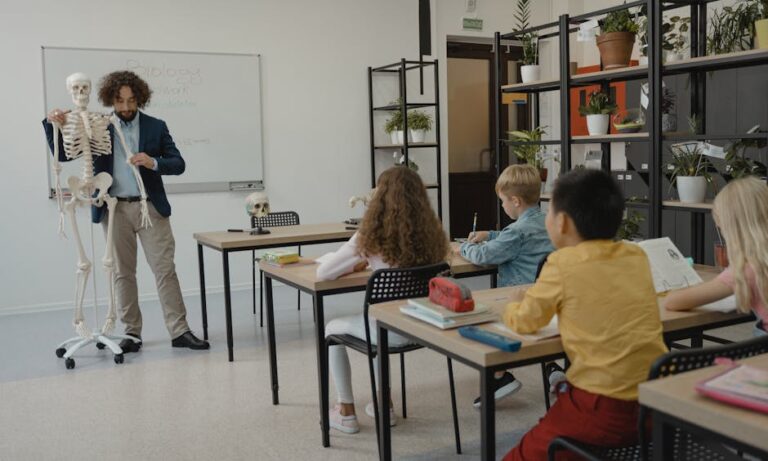
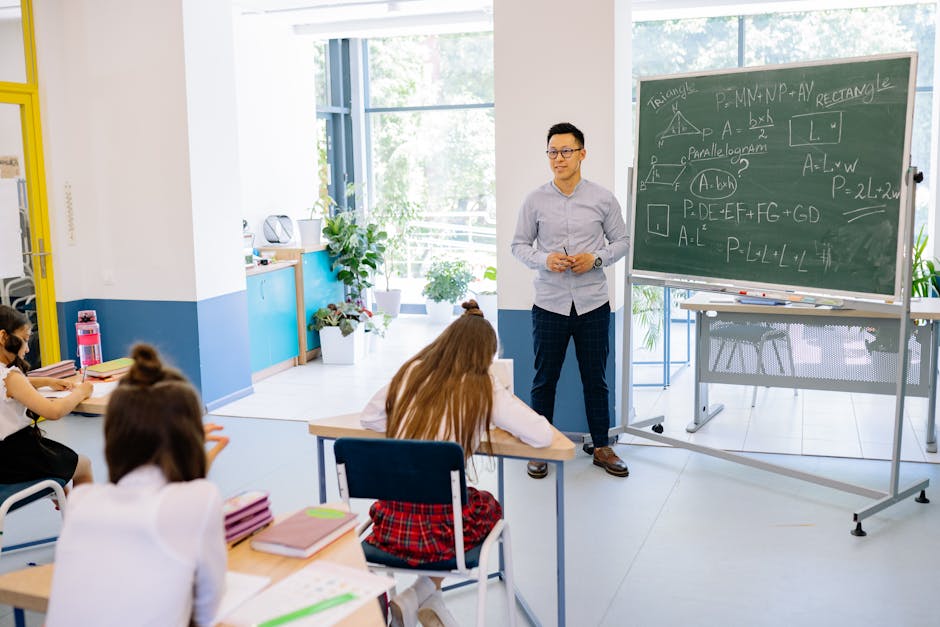
Education is undergoing a significant transformation in the 21st century. With rapid technological advancements and shifting societal needs, traditional educational models are being challenged. This article explores the evolving landscape of education, examining innovative approaches, the role of technology, and the importance of lifelong learning.
Innovative Educational Approaches
One of the most exciting developments in education is the rise of alternative educational models. Initiatives such as project-based learning and experiential education emphasize hands-on experience and real-world applications. These approaches engage students in meaningful ways, allowing them to apply their knowledge in practical contexts.
For example, many schools are now adopting the Montessori method, which encourages self-directed learning and critical thinking. This model has shown promising results, with studies indicating that students in Montessori programs often outperform their peers in traditional settings. Such innovative educational approaches are paving the way for a more engaging and effective learning experience.
Moreover, education is increasingly becoming personalized. Adaptive learning technologies allow educators to tailor their teaching strategies to meet the individual needs of students. By utilizing data analytics, teachers can identify learning gaps and provide targeted support, ensuring that every student can thrive.
The Role of Technology in Education
Technology plays a pivotal role in modern education. The integration of digital tools in classrooms has transformed how students learn and interact with content. From interactive whiteboards to online learning platforms, technology enhances the educational experience.
Online learning has become particularly prominent, especially in the wake of the COVID-19 pandemic. Virtual classrooms have enabled students to continue their education from home, breaking geographical barriers and providing access to quality education for many. However, this shift also highlights the digital divide, emphasizing the need for equitable access to technology.
Moreover, technology facilitates collaboration and communication among students and educators. Tools such as video conferencing and collaborative software empower students to work together on projects, fostering teamwork and enhancing their learning outcomes. The ability to connect with peers globally enriches the educational experience, exposing students to diverse perspectives and cultures.
The Importance of Lifelong Learning
In today’s fast-paced world, the concept of lifelong learning has gained increasing importance. As industries evolve and new skills become necessary, individuals must continuously update their knowledge and expertise. Education is no longer confined to childhood; it is a lifelong journey.
Many professionals are now pursuing additional certifications and online courses to stay relevant in their fields. For instance, platforms like Coursera and edX offer courses from prestigious institutions, allowing individuals to learn at their own pace while balancing work and personal commitments.
Furthermore, organizations are recognizing the value of investing in employee development. Companies that prioritize continuous learning create a culture of growth and adaptability, fostering innovation and retaining top talent. By encouraging lifelong learning, businesses can ensure their workforce remains competitive and equipped to meet future challenges.
Global Challenges and Education
While education is evolving, it also faces significant global challenges. Inequality in access to quality education remains a pressing issue, particularly in developing countries. According to UNESCO, over 260 million children are out of school, highlighting the urgent need for global initiatives to address this crisis.
Moreover, the quality of education varies widely, even within countries. Disparities in resources, teacher training, and infrastructure can hinder students’ learning experiences. Addressing these inequalities requires collaborative efforts from governments, NGOs, and communities to ensure that every child has access to a high-quality education.
In addition, the rapid pace of technological change poses challenges for educators. As new tools and platforms emerge, teachers must continuously adapt and update their skills to effectively integrate technology into their classrooms. Professional development programs are essential to equip educators with the knowledge and resources they need to thrive in this dynamic environment.
Conclusion
The future of education is bright, filled with possibilities for innovation and growth. As we embrace new approaches and technologies, the focus must remain on providing equitable access to quality education for all. By fostering a culture of lifelong learning and addressing global challenges, we can empower individuals to thrive in an ever-changing world. Education is not just about acquiring knowledge; it is about developing skills, critical thinking, and a passion for learning that lasts a lifetime. As we look ahead, let us commit to creating an inclusive and dynamic educational landscape that prepares future generations for success in a complex world. In this context, exploring resources related to education, such as toto togel, can provide valuable insights into ongoing developments in the field.
About the Author