
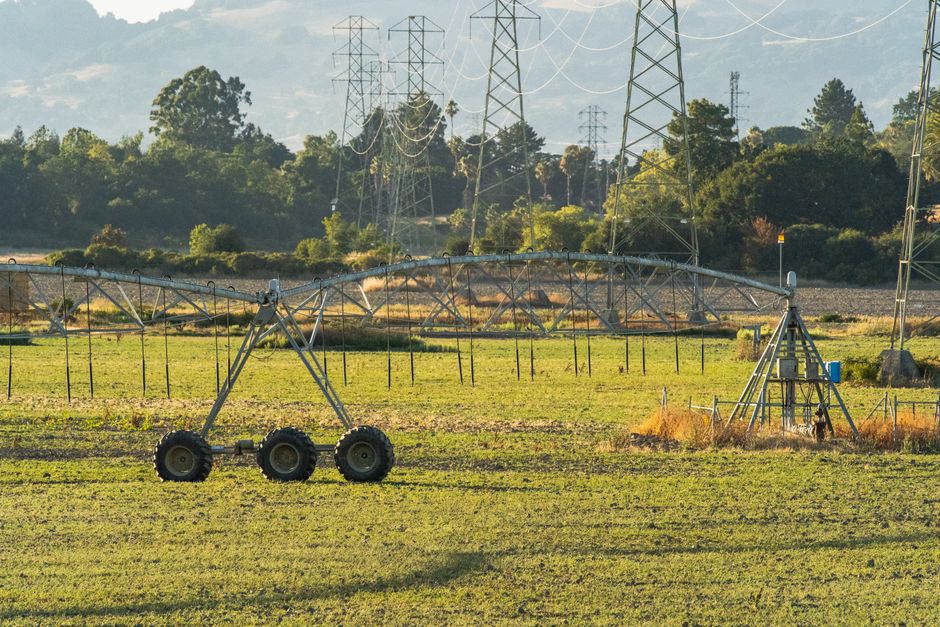
Irrigation systems play a crucial role in agriculture, especially in regions where water scarcity poses a significant challenge. As the global population continues to rise, the demand for food production increases, making efficient irrigation practices more important than ever. In this article, we will explore the various types of irrigation systems, their benefits, and how they contribute to sustainable agricultural practices.
Types of Irrigation Systems
There are several types of irrigation systems used worldwide, each designed to meet specific agricultural needs. The most common methods include drip irrigation, sprinkler systems, and surface irrigation. Drip irrigation is known for its efficiency, delivering water directly to the plant roots through a network of tubes and emitters. This method significantly reduces water wastage and is ideal for high-value crops.
Sprinkler systems, on the other hand, mimic natural rainfall by spraying water over the crops. This method is versatile and can be used for various crops and terrains. However, it may lead to higher evaporation rates, especially in hot climates. Surface irrigation, which involves flooding fields with water, is one of the oldest techniques but may not be as efficient as the other methods. Each system has its pros and cons, depending on the specific agricultural context.
Benefits of Implementing Efficient Irrigation
The implementation of efficient irrigation systems can lead to numerous benefits for farmers and the environment. Firstly, these systems can enhance crop yields by ensuring that plants receive the optimal amount of water they need for growth. For instance, research has shown that crops irrigated with drip systems can yield up to 30% more than those using traditional methods.
Furthermore, efficient irrigation systems can help conserve water resources. According to the Food and Agriculture Organization (FAO), approximately 70% of freshwater resources are used for irrigation. By adopting advanced techniques, farmers can reduce water consumption and mitigate the impact on local water supplies. This is particularly important in arid regions where water scarcity is a pressing issue.
The Role of Technology in Modern Irrigation Systems
Advancements in technology have revolutionized the field of irrigation. Modern irrigation systems now incorporate smart technology, such as sensors and automated controllers, to optimize water usage. For example, soil moisture sensors can determine when plants need water, allowing for precise irrigation scheduling. This not only saves water but also improves crop health by preventing overwatering.
Additionally, the integration of satellite imagery and data analytics can help farmers assess their fields and identify areas that require attention. By utilizing these technological tools, farmers can make informed decisions, leading to better resource management and higher productivity.
Challenges in Implementing Irrigation Systems
Despite the numerous advantages, there are challenges associated with implementing efficient irrigation systems. One major hurdle is the initial investment cost. High-quality irrigation systems, such as drip and sprinkler systems, can be expensive to install, which may deter smallholder farmers from adopting them.
Moreover, the maintenance of these systems is crucial for their longevity and efficiency. Farmers need to be trained in proper upkeep practices, which can require additional resources and time. Additionally, there may be regional regulations and water rights issues that complicate the implementation of new irrigation technologies.
Conclusion
In conclusion, efficient irrigation systems are essential for sustainable agriculture in the face of growing global food demands and water scarcity. By understanding the different types of systems available and their benefits, farmers can make informed decisions that lead to increased productivity and conservation of vital water resources. As technology continues to evolve, the future of irrigation looks promising, paving the way for innovative solutions to age-old challenges. Embracing these advancements will be critical in ensuring food security for future generations. For more detailed studies on various irrigation systems, you can check the resource available on irrigation system.
About the Author