
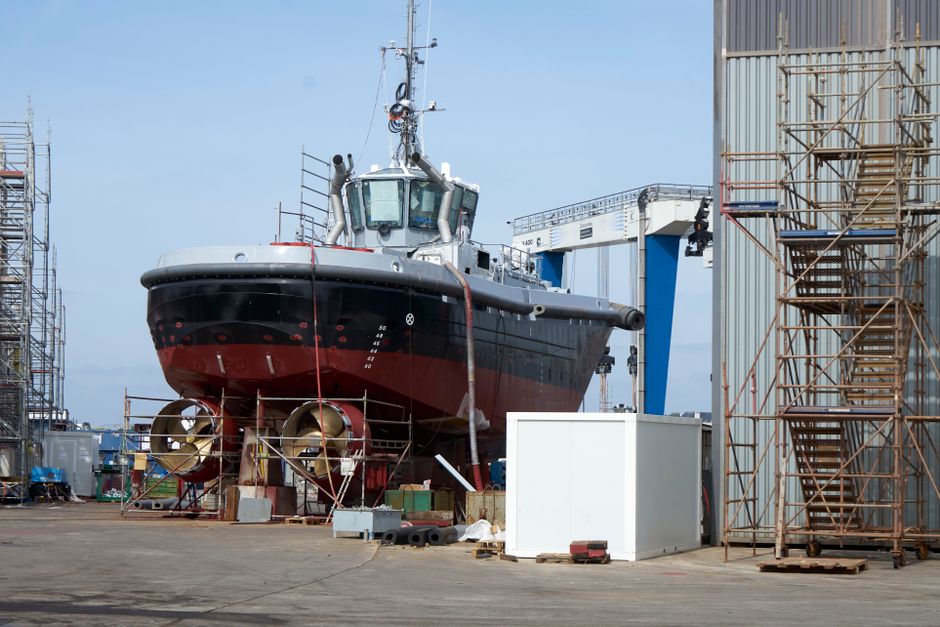
The marine industry is a vital component of global trade and transportation, relying heavily on efficient and reliable engine systems. As demand for marine vessels continues to grow, so does the need for high-quality marine engines. This article explores the role of marine engine suppliers, the factors influencing their choice, and the future of marine engine technology.
Understanding Marine Engine Suppliers
Marine engine suppliers play a crucial role in the maritime industry, providing essential components that ensure vessels operate smoothly and efficiently. These suppliers range from large manufacturers producing a wide array of engines to specialized companies focusing on niche markets. The selection of a marine engine supplier can significantly impact a company’s operational efficiency and maintenance costs.
In choosing a supplier, companies must consider several factors, including the supplier’s reputation, the quality of the engines, and the level of customer service provided. A supplier with a strong track record in the industry often indicates reliability and quality, which can be critical for operators who rely on their vessels for commercial activities.
Furthermore, the technological advancements made by marine engine suppliers have led to significant improvements in fuel efficiency and emissions reduction. As environmental regulations become stricter, suppliers that offer innovative and compliant solutions are increasingly preferred by shipowners.
Factors to Consider When Selecting a Marine Engine Supplier
When selecting a marine engine supplier, it is essential to evaluate various factors that can influence the overall performance and longevity of marine engines. One of the most significant aspects is the supplier’s experience in the industry. An established supplier is likely to have comprehensive knowledge of marine engine systems and can provide valuable insights into engine selection and maintenance.
Another critical factor is the availability of after-sales support and services. A reliable marine engine supplier should offer comprehensive support, including warranty options, maintenance services, and spare parts availability. This ensures that operators can maintain their engines efficiently and minimize downtime.
Cost considerations also play a vital role in supplier selection. While it may be tempting to choose the least expensive option, it’s crucial to evaluate the total cost of ownership, which includes initial purchase price, fuel efficiency, maintenance expenses, and potential downtime costs. Investing in a higher-quality engine may lead to long-term savings and improved operational efficiency.
The Future of Marine Engine Technology
The marine industry is undergoing a transformation with the advent of new technologies aimed at improving engine performance and reducing environmental impact. Innovations such as hybrid propulsion systems, alternative fuels, and digital monitoring systems are becoming increasingly prevalent among marine engine suppliers.
Hybrid propulsion systems are designed to enhance fuel efficiency and reduce emissions by combining traditional fuel engines with electric power. This technology not only helps in complying with stricter environmental regulations but also offers significant fuel savings over time.
Alternative fuels, such as LNG and hydrogen, are also gaining traction in the marine industry. Suppliers that invest in research and development for these fuels are positioning themselves as leaders in the market, catering to a growing demand for sustainable shipping solutions.
Case Studies of Successful Marine Engine Suppliers
Several marine engine suppliers have successfully adapted to the evolving market demands, demonstrating their capabilities through innovative products and services. For example, a prominent supplier recently launched a new line of engines specifically designed for fishing vessels, featuring advanced fuel efficiency technologies and compliance with the latest emissions standards.
Additionally, another marine engine supplier has established a strong reputation for its customer service and support. They provide extensive training programs for operators and maintenance staff, ensuring that vessels are operated efficiently and safely.
These case studies highlight the importance of choosing a supplier that not only provides quality engines but also supports their clients with essential services and training. The relationship between marine engine suppliers and their clients can significantly impact operational success.
Conclusion
In conclusion, the selection of a marine engine supplier is a critical decision for any business operating in the maritime industry. By considering factors such as reputation, technological advancements, and after-sales support, companies can make informed choices that will enhance their operational efficiency and sustainability. As the industry continues to evolve, suppliers that prioritize innovation and customer service will lead the way in meeting the future demands of the marine sector. For those seeking reliable solutions, working with a reputable marine engine supplier can be a game-changer.
About the Author