
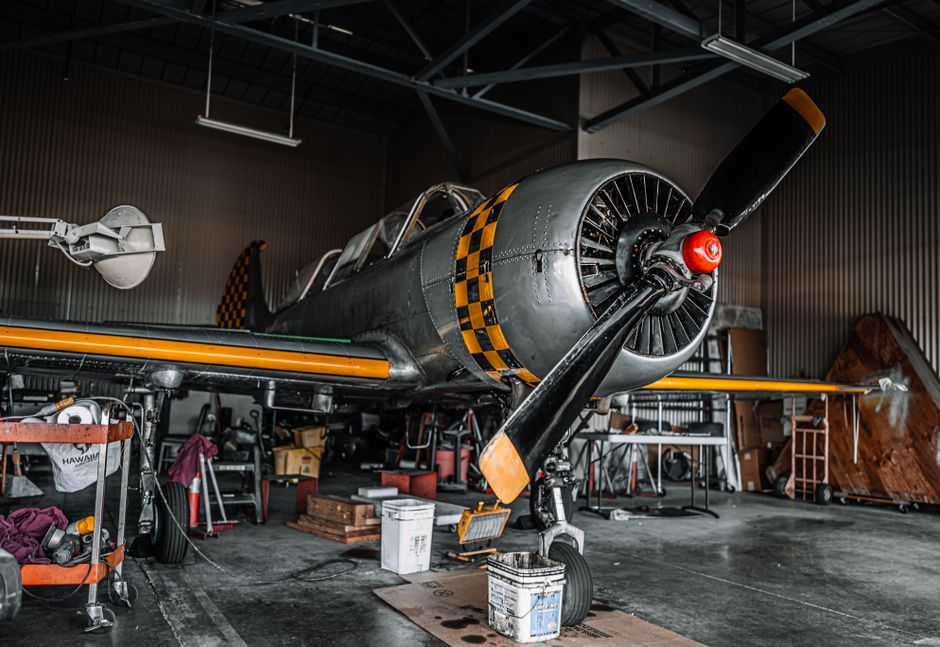
In the aviation industry, the safety and efficiency of flights heavily rely on the expertise of aircraft maintenance companies. These companies are responsible for ensuring that aircraft are in optimal condition before they take to the skies. With stringent regulations and the growing complexity of aircraft technology, the role of these maintenance providers has never been more vital.
Understanding Aircraft Maintenance
Aircraft maintenance encompasses a wide range of services that include inspections, repairs, and modifications to an aircraft’s structure, engines, and systems. There are two primary types of maintenance: scheduled and unscheduled. Scheduled maintenance occurs at predetermined intervals, while unscheduled maintenance arises from unexpected issues, such as a mechanical failure during flight.
According to the Federal Aviation Administration (FAA), proper maintenance is essential for the safety of passengers and crew. In 2021 alone, the FAA conducted thousands of inspections, underscoring the importance of maintaining the integrity of aircraft systems. Regular maintenance not only ensures safety but also extends the lifespan of the aircraft, making it a cost-effective practice for airlines.
The complexity of modern aircraft, equipped with advanced technology and systems, necessitates skilled technicians who can perform detailed inspections and repairs. This is where an aircraft maintenance company plays a crucial role, as they employ certified professionals trained to handle a variety of maintenance tasks.
Choosing the Right Aircraft Maintenance Company
Selecting an aircraft maintenance company is a critical decision for airlines and operators. Factors to consider include the company’s certification status, reputation, and range of services offered. A reputable company should have certifications from relevant aviation authorities, ensuring that they meet industry standards.
Furthermore, customer reviews and testimonials can provide insight into the company’s reliability and quality of service. An effective maintenance provider should demonstrate a commitment to safety and compliance with regulations. Case studies of successful maintenance operations can also highlight a company’s capability and efficiency.
In an industry where every minute counts, the turnaround time for maintenance services is crucial. Airlines look for companies that can perform necessary maintenance quickly without compromising quality. Time is money, as delays in maintenance can lead to canceled flights and lost revenue.
The Impact of Technology on Aircraft Maintenance
Advancements in technology have significantly transformed aircraft maintenance practices. The introduction of predictive maintenance, powered by data analytics and machine learning, allows companies to anticipate potential failures before they occur. This proactive approach minimizes downtime and enhances safety.
For instance, the use of drones for inspections has gained traction in recent years. Drones can quickly and efficiently inspect hard-to-reach areas of an aircraft, providing real-time data to maintenance teams. This innovation not only speeds up the inspection process but also reduces labor costs.
Additionally, maintenance management software has revolutionized how aircraft maintenance companies track and manage their operations. These systems streamline workflows, schedule maintenance tasks, and ensure compliance with regulations, ultimately improving overall efficiency.
Regulatory Compliance and Safety Standards
Aircraft maintenance companies must adhere to strict regulatory standards set by aviation authorities such as the FAA and the European Union Aviation Safety Agency (EASA). Compliance with these regulations is non-negotiable and ensures that maintenance practices meet safety requirements.
Regular audits and inspections are conducted to verify compliance, and companies that fail to meet standards risk losing their certifications. This regulatory framework ensures that maintenance companies are held accountable for their work, ultimately protecting the safety of passengers and crew.
Moreover, the training and certification of maintenance personnel are critical components of regulatory compliance. Continuous education and training programs ensure that technicians stay updated on the latest technologies and best practices in aircraft maintenance.
Future Trends in Aircraft Maintenance
The future of aircraft maintenance is likely to be shaped by ongoing technological advancements and evolving industry needs. As airlines increasingly focus on sustainability, maintenance companies will need to adopt practices that minimize environmental impact.
Electric and hybrid aircraft are on the horizon, requiring specialized maintenance approaches and training for technicians. The shift towards sustainable aviation fuels (SAFs) also presents new challenges and opportunities for maintenance companies.
Furthermore, the integration of artificial intelligence (AI) and the Internet of Things (IoT) in aircraft systems will provide maintenance teams with more data than ever before. This data-driven approach will enhance predictive maintenance capabilities, leading to safer and more efficient operations.
Conclusion
In conclusion, aircraft maintenance companies are indispensable to the safety and efficiency of the aviation industry. As technology continues to evolve and regulations grow stricter, the role of these companies will only become more critical. Choosing a reliable maintenance provider, leveraging advanced technologies, and adhering to regulatory standards are essential for ensuring safe air travel. The future of aircraft maintenance promises exciting innovations that will further enhance safety and operational efficiency, paving the way for a new era in aviation.
About the Author