In the world of design and architecture, the ability to visualize concepts before they become reality is invaluable. 3D rendering services have emerged as a game changer, allowing clients and designers alike to explore ideas in stunning detail and accuracy. This technology not only enhances presentations but also empowers decision-making processes, making it an essential tool in various industries.
Understanding 3D Rendering Services
3D rendering is the process of creating a two-dimensional image from a three-dimensional model using computer software. This service encompasses several techniques and applications, ranging from architectural visualization to product design. The heart of 3D rendering lies in its ability to simulate real-life lighting, textures, and materials, bringing digital models to life with photorealistic quality.
One of the primary advantages of utilizing 3D rendering services is the ability to communicate complex ideas more effectively. Designers can produce images that are not only visually appealing but also provide critical insights into the functionality and aesthetics of a project.
Applications Across Industries
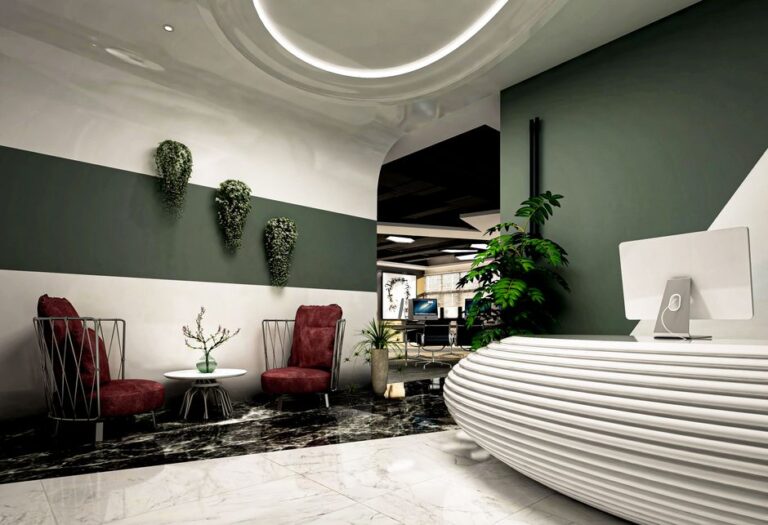
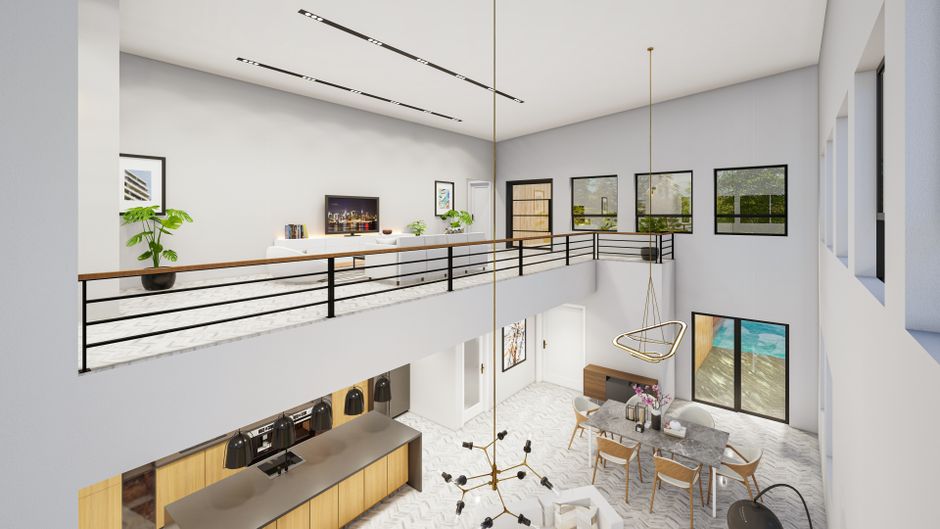
3D rendering services are utilized across various sectors, including real estate, product design, and entertainment. In real estate, for instance, developers use visualizations to showcase properties before construction begins, allowing prospective buyers to envision their future homes. This practice not only accelerates the sales process but also helps in securing financing and approvals from stakeholders.
In the realm of product design, companies leverage 3D rendering to create detailed visual representations of their products. This enables teams to make informed decisions regarding design modifications before production, ultimately saving time and resources. For instance, a consumer electronics company might create a 3D rendering of a new gadget to analyze its ergonomics and visual appeal, ensuring it meets market demands.
Benefits of 3D Rendering
One of the most significant benefits of 3D rendering is the enhancement of communication among project stakeholders. By providing a clear visual representation of a concept, misunderstandings are minimized, and feedback can be gathered more efficiently. This collaborative approach is essential in ensuring that all parties are aligned with the vision and goals of a project.
Moreover, 3D rendering allows for iterative design processes. Designers can quickly create multiple visualizations, experimenting with different styles, materials, and layouts. This not only fosters creativity but also ensures that the final product is optimized for both functionality and aesthetics.
Technological Advancements in 3D Rendering
The evolution of technology has significantly impacted the 3D rendering landscape. With the advent of advanced software and hardware, the quality and speed of rendering have improved dramatically. Real-time rendering engines enable designers to see changes instantly, allowing for a more dynamic and interactive design process.
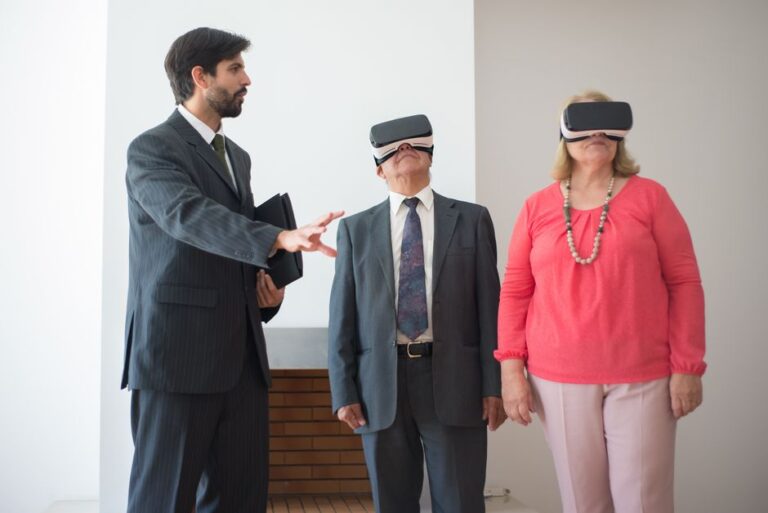
Additionally, the integration of virtual reality (VR) and augmented reality (AR) with 3D rendering is revolutionizing how clients experience designs. For instance, clients can immerse themselves in a virtual environment, walking through a space before it is built. This level of engagement not only excites clients but also aids in making design decisions.
Choosing the Right 3D Rendering Service
When selecting a 3D rendering service, it is crucial to consider various factors such as the provider’s portfolio, technology, and expertise. A reliable service should demonstrate a proven track record in delivering high-quality visualizations tailored to specific industry needs.
Moreover, communication is key. A good rendering service will prioritize understanding the client’s vision and requirements, ensuring that the final product aligns with their expectations. By fostering a collaborative relationship, both parties can work towards achieving the best possible outcomes.
Conclusion
3D rendering services have transformed the way we visualize and interact with design concepts. By providing a powerful tool for communication, decision-making, and creativity, these services are indispensable in today’s fast-paced, competitive environment. As technology continues to evolve, the potential applications and benefits of 3D rendering will only expand, offering even more opportunities for innovation and excellence in design.
About the Author