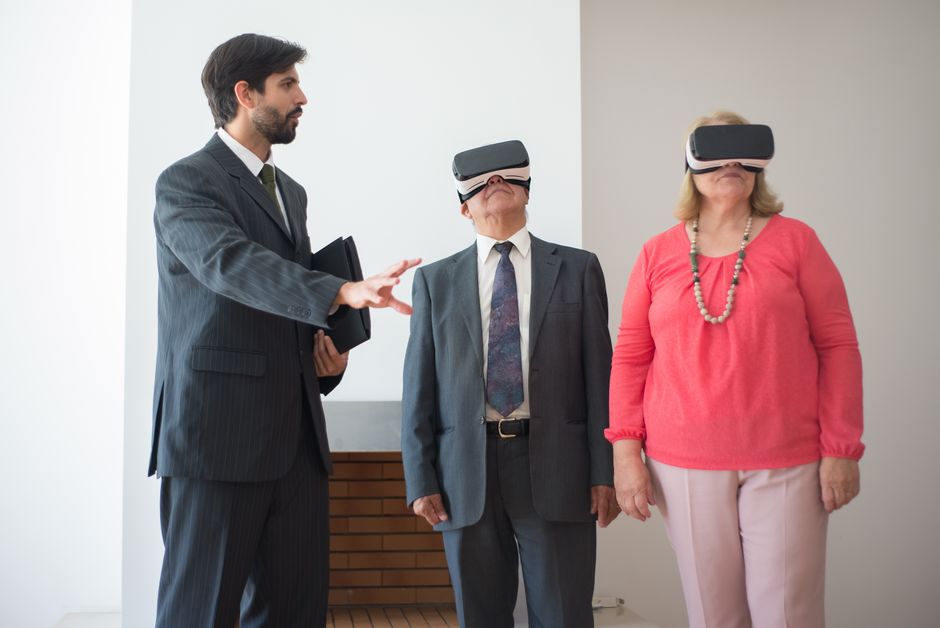
In an age where technology continuously reshapes our experiences, virtual tour photography has emerged as a revolutionary way to explore places without leaving the comfort of our homes. This innovative form of photography not only enhances travel experiences but also provides opportunities for businesses and individuals to showcase their environments in immersive and engaging ways. As we delve into the realm of virtual tour photography, we will explore its benefits, applications, and the technology that makes it possible.
The Concept of Virtual Tour Photography
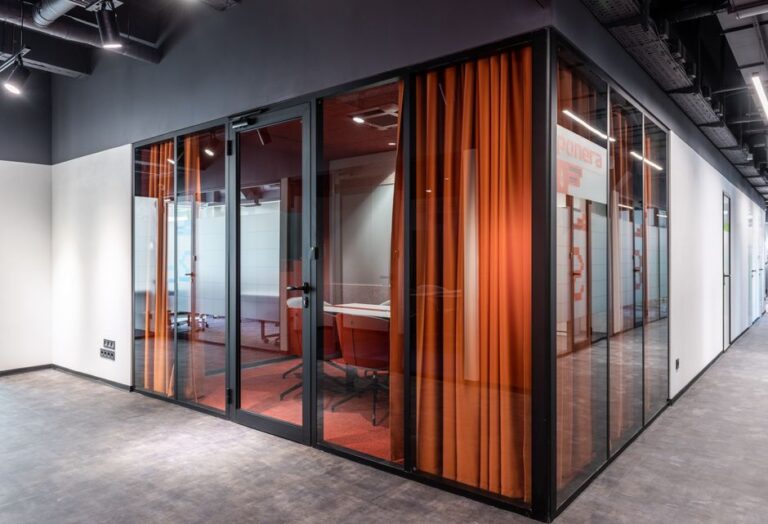
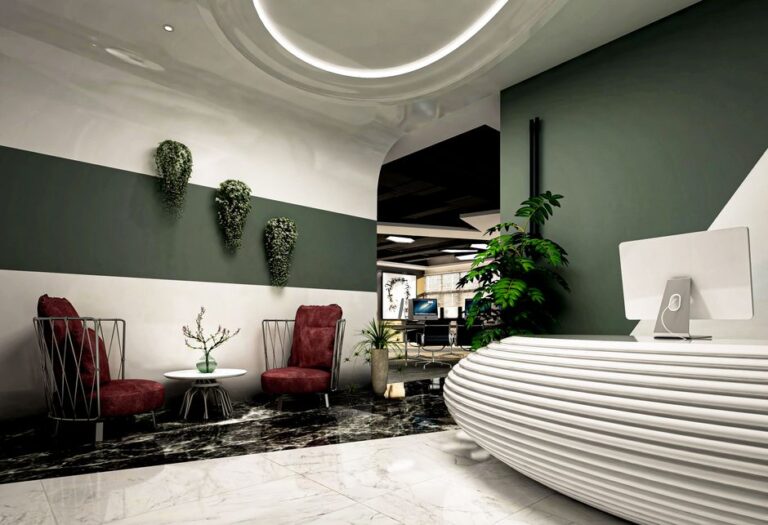
Virtual tour photography combines high-resolution images and 360-degree views to create an interactive experience for viewers. This technique allows users to navigate through spaces as if they were physically present, making it especially popular among real estate agents, tourism boards, and educational institutions. By providing a detailed visual representation of a location, virtual tours can enhance engagement and interest.
According to a study by the National Association of Realtors, properties with virtual tours receive 87% more inquiries than those without. This statistic highlights the growing importance of virtual tours in the real estate market, where potential buyers can get a comprehensive feel for a property without needing to visit in person.
Benefits of Virtual Tour Photography
The advantages of adopting virtual tour photography are numerous. Firstly, it saves time for both businesses and clients. Real estate agents can showcase multiple properties efficiently, while potential buyers can quickly filter out locations that do not meet their needs. This leads to a more streamlined buying process.
Moreover, virtual tours enhance accessibility. For individuals who may have mobility issues or are located far from a desired destination, these immersive experiences offer a way to explore without any physical constraints. Furthermore, they can be easily shared on social media platforms, increasing visibility and reach.
Applications Across Industries
Virtual tour photography is not limited to real estate. Its applications span various industries, including hospitality, education, and retail. Hotels and resorts use virtual tours to provide potential guests with a comprehensive look at their accommodations and amenities. This immersive experience can significantly influence booking decisions.
In the education sector, schools and universities utilize virtual tours to attract prospective students. By showcasing campus facilities, students can gain a better understanding of the environment and culture before applying. Retailers, too, are beginning to adopt virtual tours, allowing customers to explore their stores online and experience the layout and offerings before visiting.
Technology Behind Virtual Tours
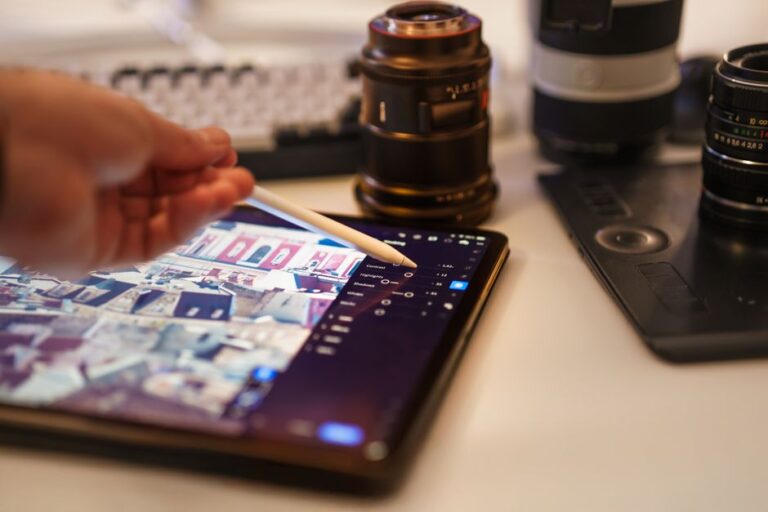
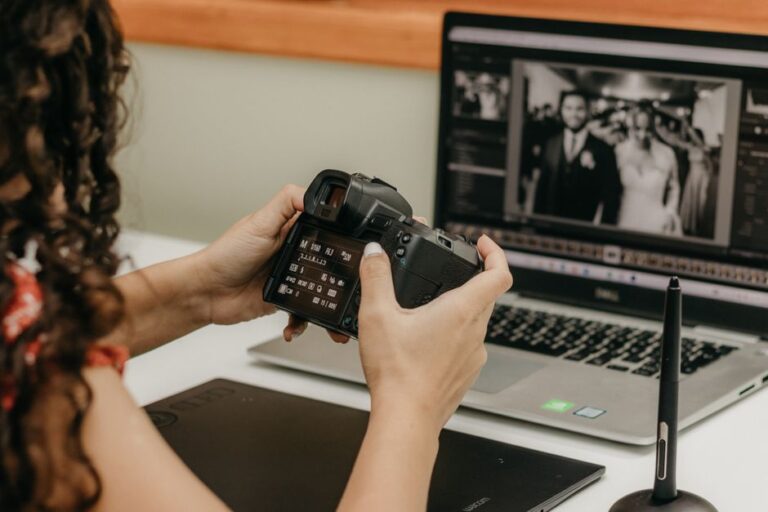
The creation of virtual tours relies on advanced technology, including specialized cameras and software. 360-degree cameras capture images from every angle, which are then stitched together to create a seamless virtual environment. Today, many smartphones are equipped with apps that facilitate this process, making it accessible to a broader audience.
Furthermore, platforms like Google Street View have made it easier for users to create and publish their virtual tours. As technology continues to advance, the quality and accessibility of virtual tour photography are expected to improve, making it an even more valuable tool for businesses.
Future Trends in Virtual Tour Photography
As we look ahead, the future of virtual tour photography is promising. The integration of virtual reality (VR) and augmented reality (AR) into virtual tours is expected to take the experience to another level. With VR, users can immerse themselves in a more interactive environment, while AR can overlay digital information onto the real world, enhancing the user’s experience.
Moreover, as the demand for remote experiences grows, businesses that adopt virtual tour photography are likely to have a competitive edge. According to a report by Grand View Research, the virtual reality market is projected to grow significantly in the next few years, indicating a strong interest in immersive experiences.
Conclusion
Virtual tour photography is revolutionizing the way we explore and interact with our surroundings. Its ability to provide immersive, accessible, and engaging experiences has made it an invaluable tool across various industries. As technology continues to evolve, the possibilities for virtual tours will expand, offering even more innovative ways to connect with audiences. For those interested in diving deeper into this captivating medium, exploring virtual tour photography can provide insights and opportunities that are reshaping the way we perceive the world.
About the Author