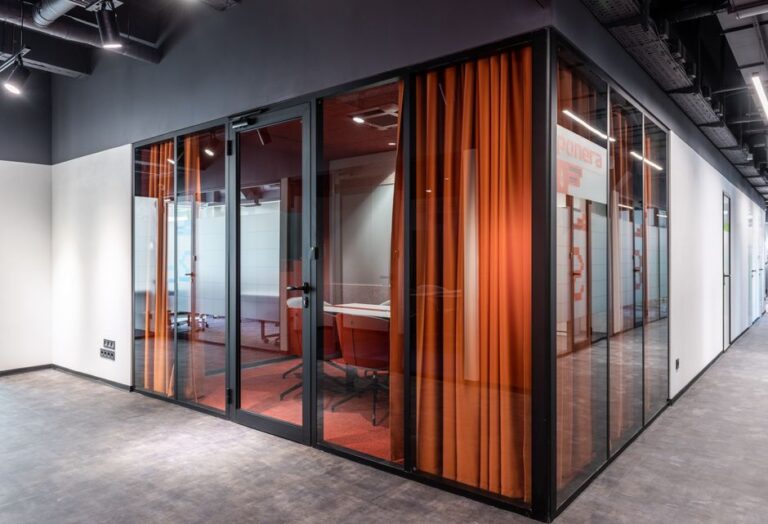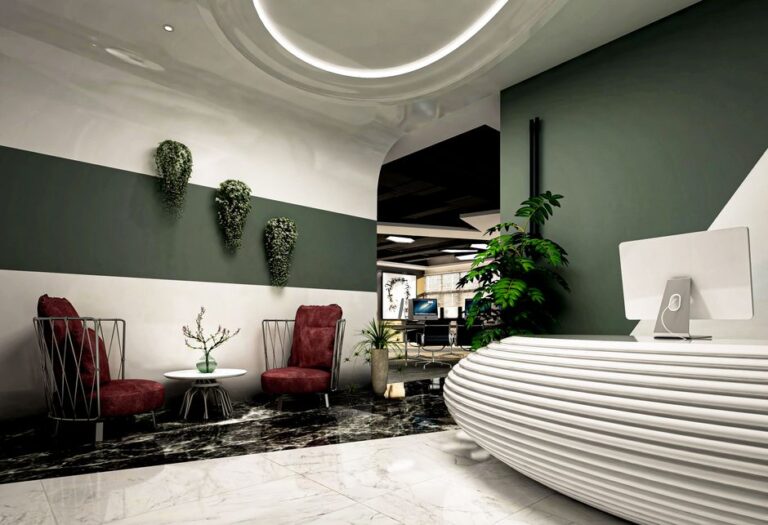

In today’s fast-paced world, efficient use of space is paramount for businesses, homes, and public areas alike. Space planning encompasses the organization and arrangement of space to enhance functionality and aesthetics. A skilled space planning consultant can transform any area into a well-organized and productive environment. This article delves into the importance, benefits, and strategies employed by space planning consultants to create optimal layouts.
Understanding Space Planning
Space planning is the process of designing spaces to ensure they meet the needs of the users effectively. It involves analyzing how a space will be used, determining essential elements, and creating a layout that maximizes efficiency. A space planning consultant uses their expertise to assess the requirements of a business or residence and develop a tailored plan that considers both functionality and style.
Effective space planning can lead to numerous benefits, such as improved workflow, enhanced user experience, and increased property value. For instance, a well-planned office can boost employee productivity and satisfaction. According to a study by the International Facility Management Association, organizations that invest in space planning see a 30% increase in employee productivity.
The Role of a Space Planning Consultant
A space planning consultant plays a crucial role in the design and layout of any environment. Their duties include conducting site analysis, consulting with clients, and creating detailed plans. They assess the physical characteristics of a space, including lighting, acoustics, and traffic flow, to inform their designs.
Moreover, a space planning consultant must stay updated on design trends and regulations. This ensures compliance with building codes and accessibility standards. They also consider sustainability in their designs, often recommending eco-friendly materials and energy-efficient layouts.
For example, a consultant may suggest open office layouts to encourage collaboration while also providing quiet zones for focused work. Such designs not only improve interaction among employees but also cater to varying work styles.
Benefits of Hiring a Space Planning Consultant
Engaging a space planning consultant can provide significant advantages for both residential and commercial clients. One of the primary benefits is the expertise they bring to the table. With their knowledge of design principles and space optimization techniques, consultants can identify issues that may not be apparent to the untrained eye.
Additionally, consultants often have access to a network of vendors and contractors, which can streamline the implementation of the design. This can lead to cost savings and a more efficient project timeline. According to recent research, businesses that work with space planning consultants report a 25% reduction in overall project costs.
Furthermore, a well-designed space can enhance the user experience. For instance, a retail store designed with optimal customer flow can significantly increase sales. A study from the Journal of Marketing Research indicated that store layouts influence purchasing decisions, with customers more likely to buy when the environment is thoughtfully designed.
Key Considerations in Space Planning
When engaging a space planning consultant, several key considerations must be addressed. First, understanding the specific needs and goals of the project is essential. Clients should communicate their vision, including desired aesthetics and functional requirements.
Additionally, budget constraints are a critical factor. A skilled consultant will work within the client’s budget while still delivering a high-quality design. They can prioritize elements that provide the most value and suggest cost-effective alternatives where necessary.
Another important consideration is future scalability. As businesses grow or lifestyles change, the need for adaptable spaces becomes apparent. A space planning consultant can design flexible layouts that accommodate future modifications, ensuring long-term satisfaction and utility.
The Future of Space Planning
The field of space planning is evolving rapidly, influenced by technological advancements and changing societal needs. Trends such as remote work, sustainability, and smart home technology are reshaping how spaces are designed and utilized.
For example, the rise of hybrid work models necessitates flexible office spaces that can adapt to both in-office and remote employees. Consultants are now incorporating technology solutions, such as virtual reality, to help clients visualize space before implementation.
Moreover, sustainability is becoming a paramount concern in all aspects of design. Space planning consultants are increasingly focusing on creating environmentally friendly spaces that minimize waste and enhance energy efficiency. This trend not only benefits the environment but also appeals to consumers who prioritize sustainability.
Conclusion
In conclusion, the role of a space planning consultant is vital in creating functional and aesthetically pleasing environments. Their expertise can significantly enhance the efficiency and user experience of any space, whether residential or commercial. By engaging a professional, clients can navigate the complexities of space design and achieve optimal results. For those looking to transform their spaces, consulting with a space planning consultant can be a transformative decision that leads to lasting benefits.
About the Author