
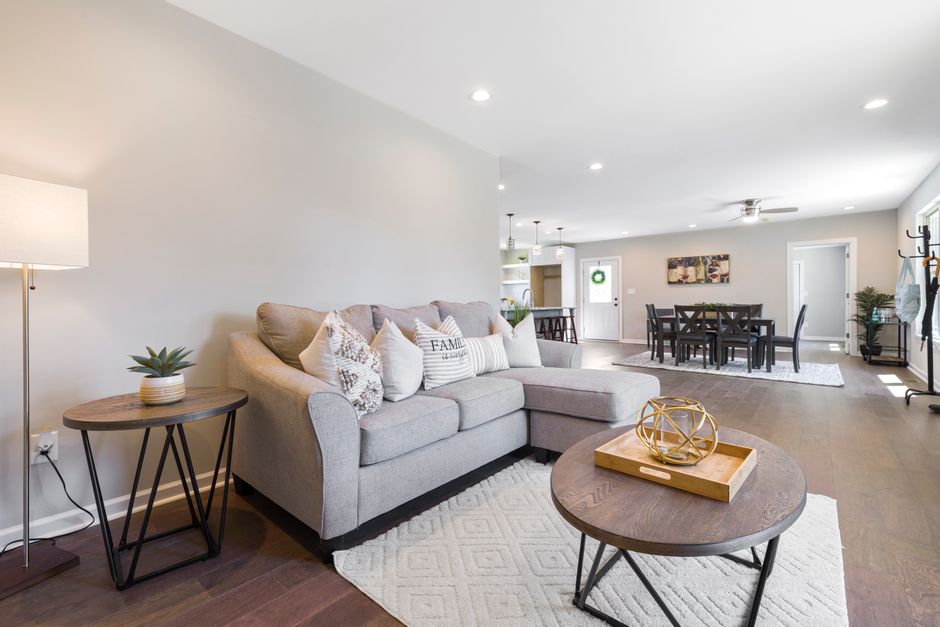
In today’s competitive real estate market, the presentation of a property can significantly influence its sale price and time on the market. Home staging services have emerged as a vital tool for homeowners and real estate agents alike. By enhancing the aesthetic appeal of a home, these services can transform spaces into inviting environments that attract potential buyers. This article delves into the importance of home staging, the process involved, and the benefits it offers to sellers and buyers.
Understanding Home Staging
Home staging is the art of preparing a residential property for sale in the real estate marketplace. This process involves decluttering, depersonalizing, and arranging furniture and decor to showcase the property’s best features. The goal is to create a welcoming ambiance that allows potential buyers to envision themselves living in the space. According to the National Association of Realtors, homes that are staged sell 73% faster than those that are not.
The concept of home staging is not new; however, its popularity has surged in recent years. With the rise of online property listings, the visual presentation of homes has become even more critical. Buyers often make their first impression based on photographs, making it essential for homes to stand out in a crowded market.
Professional home staging services offer expertise in design and marketing, helping homeowners maximize their property’s potential. From choosing the right color palette to selecting furniture pieces that complement the space, staging professionals understand how to create a cohesive look that appeals to a broad audience.
The Home Staging Process
The home staging process typically begins with a consultation, where the stager assesses the property and identifies areas that require improvement. This may involve rearranging existing furniture, adding decorative elements, or even renting additional furnishings. The stager’s goal is to highlight the home’s strengths while minimizing its weaknesses.
One of the first steps in staging is decluttering. This involves removing personal items, excess furniture, and any distractions that could detract from the home’s appeal. A clean, organized space allows buyers to focus on the property’s features rather than the seller’s personal belongings.
Next, the stager may recommend repairs or updates that can enhance the property’s overall aesthetic. Simple fixes like fresh paint, updated light fixtures, or landscaping can make a significant difference in a buyer’s perception of the home. Once the necessary updates are made, the stager will arrange furniture and decor to create a harmonious flow throughout the space.
Benefits of Home Staging
The benefits of home staging are manifold. First and foremost, staged homes tend to sell faster. As mentioned earlier, properties that have been staged can sell up to 73% quicker than those that are not. This rapid turnover can be especially beneficial for sellers looking to move quickly due to job relocation or other life changes.
Moreover, staged homes often sell for a higher price. According to a report by the Real Estate Staging Association, staged homes sell for an average of 10% more than their non-staged counterparts. This increase in sale price can offset the costs of staging, making it a worthwhile investment for sellers.
Additionally, home staging can lead to a more positive viewing experience for potential buyers. A well-staged home creates an inviting atmosphere that encourages buyers to linger and imagine their future in the space. This emotional connection can be a powerful motivator in the decision-making process.
Choosing the Right Home Staging Service
When selecting a home staging service, it’s essential to consider several factors. Look for companies with a proven track record and positive testimonials from past clients. A reputable stager should be able to provide a portfolio showcasing their previous work.
Another critical aspect to consider is the stager’s understanding of the local market. Each area has its unique characteristics and buyer preferences, and a good stager will tailor their approach accordingly. They should be able to suggest changes that align with current trends while also appealing to the target demographic.
Lastly, communication is key. A successful home staging project requires collaboration between the homeowner and the stager. Ensure that you choose a service that values your input and is willing to work closely with you to achieve the best results.
Conclusion
In conclusion, home staging services are an invaluable resource for anyone looking to sell their property quickly and for the best possible price. By presenting a home in its best light, sellers can create a memorable impression that resonates with potential buyers. The investment in professional staging can yield significant returns, making it a smart strategy in today’s competitive real estate environment. For those considering this approach, exploring a home staging service could be the key to unlocking your property’s full potential.
About the Author