The ambiance of a restaurant is often as important as the food it serves. A well-thought-out interior design can create a unique dining experience that keeps customers coming back. In this article, we will explore the key elements of restaurant interior design, the latest trends, and practical tips for creating an inviting atmosphere that enhances customer satisfaction and boosts business.
Understanding the Importance of Interior Design
Interior design plays a crucial role in shaping the overall dining experience. It influences not only how customers perceive the restaurant but also how they feel while dining. According to a study by the National Restaurant Association, 60% of diners reported that the interior design of a restaurant impacts their decision to return. Thus, investing in thoughtful interior design is essential for any restaurant owner.
Moreover, the right design can enhance the functionality of the space. Effective layout planning ensures that the flow of service is seamless, allowing staff to serve customers efficiently. This is particularly important during peak hours when the restaurant is bustling with activity.
Key Elements of Restaurant Interior Design
When designing a restaurant, several key elements must be considered to create a cohesive and inviting atmosphere. These include:
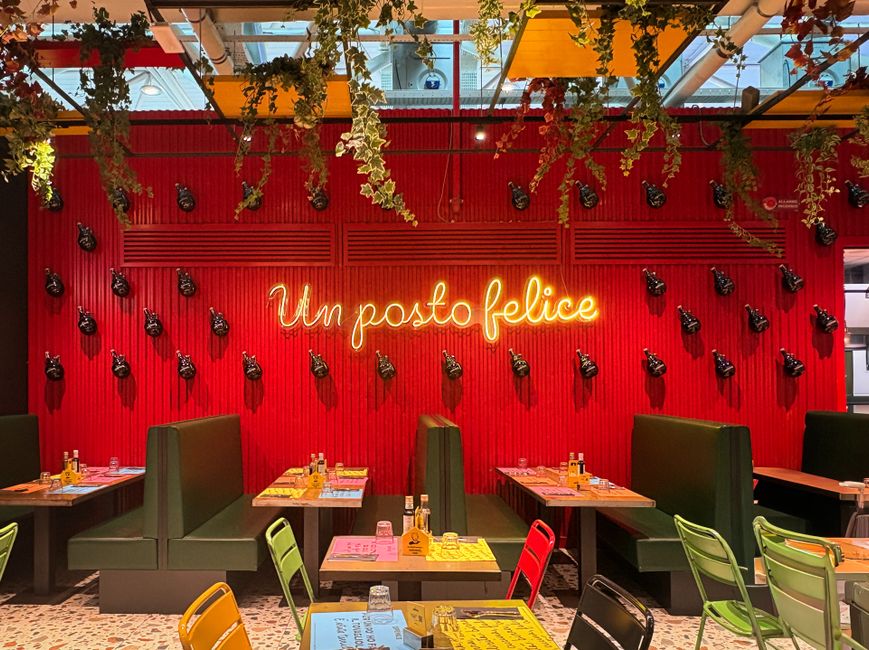
- Color Palette: The choice of colors can evoke different emotions. Warm colors like red and orange stimulate appetite, while cooler tones like blue can create a calming environment.
- Furniture: The type of furniture used should align with the restaurant’s theme. Comfortable seating can enhance the dining experience, while tables should be arranged to maximize space and facilitate conversation.
- Lighting: Proper lighting can set the mood for a dining experience. A mix of ambient, task, and accent lighting can create a warm and inviting atmosphere.
Incorporating these elements thoughtfully can elevate the overall design of a restaurant, making it more appealing to customers.
Current Trends in Restaurant Interior Design
The restaurant industry is constantly evolving, and so are the design trends. Some of the latest trends include:
- Sustainable Design: Many restaurants are focusing on sustainability by using eco-friendly materials and practices. This not only attracts environmentally-conscious customers but also reduces operational costs.
- Open Kitchens: Open kitchen designs allow customers to see their food being prepared, creating a sense of transparency and trust. This design choice can also enhance the overall dining experience.
- Biophilic Design: Incorporating natural elements such as plants and natural light into the interior design can create a calming atmosphere and improve air quality.
By staying updated with these trends, restaurant owners can create spaces that resonate with modern diners.
Practical Tips for Designing a Restaurant Interior
Designing a restaurant can be a daunting task, but with careful planning and consideration, it can lead to a successful outcome. Here are some practical tips:
- Know Your Target Audience: Understanding who your customers are will help guide your design choices. A family-friendly diner will have different design needs compared to a high-end fine dining restaurant.
- Maximize Layout: Ensure that the layout facilitates easy movement for both customers and staff. A well-planned layout can lead to better service and a more enjoyable dining experience.
- Invest in Quality: While it may be tempting to cut costs, investing in quality materials and furnishings can pay off in the long run by enhancing durability and customer satisfaction.
Additionally, consulting with professionals in restaurant interior design can provide valuable insights and help bring your vision to life.
Conclusion
A well-designed restaurant interior is essential for creating a memorable dining experience. By understanding the importance of design, incorporating key elements, staying updated with trends, and following practical tips, restaurant owners can craft spaces that not only look great but also function effectively. Ultimately, a thoughtful approach to interior design can make all the difference in attracting and retaining customers.
About the Author