In the competitive world of dining, a restaurant’s interior design plays a pivotal role in attracting customers and creating memorable experiences. From the color schemes to the furniture selection, every detail contributes to the overall ambiance that can make or break a dining establishment. This article delves into the essential elements of restaurant interior design, exploring trends, practical tips, and real-world examples that illustrate the impact of design on customer satisfaction and business success.
The Importance of Ambiance
Ambiance is a critical component of the dining experience. It sets the mood and can influence a customer’s perception of food quality and service. According to a study by the Cornell University Food and Brand Lab, the environment in which food is consumed can significantly alter a person’s taste perception. For example, a softly lit restaurant with comfortable seating may enhance the enjoyment of a meal compared to a bright, noisy diner.
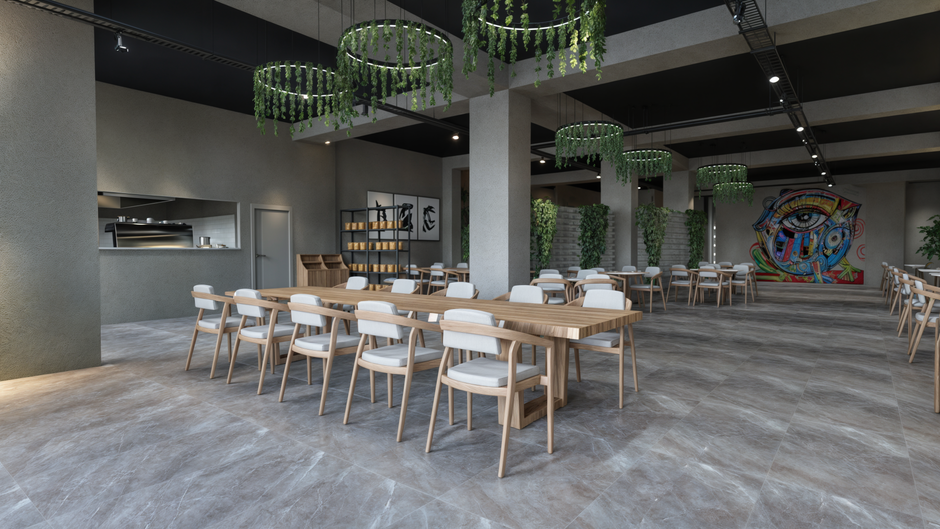
To create an inviting atmosphere, restaurant owners should consider the psychological effects of different colors and materials. Warm colors like reds and yellows may stimulate appetite, while cooler tones can create a calming effect. Natural materials such as wood and stone can add an organic feel, making diners feel more connected to their food.
Design Trends Shaping the Industry
As consumer preferences evolve, so do the trends in restaurant interior design. Recent years have seen a rise in sustainable and eco-friendly designs. Many restaurants are now incorporating reclaimed materials and biophilic elements, such as indoor plants, to create a more sustainable dining experience. This not only appeals to environmentally conscious customers but also enhances the overall aesthetic of the space.
Another trend gaining traction is the incorporation of technology into restaurant design. Digital menus, contactless payment systems, and interactive dining experiences are becoming more common, especially in urban areas where tech-savvy customers expect innovation. Such features can streamline operations and enhance customer engagement, making the dining experience more efficient and enjoyable.
Functional Layouts and Space Utilization
The layout of a restaurant is crucial for both customer flow and staff efficiency. A well-designed space should allow for easy movement between tables, the kitchen, and service areas. Open-concept layouts can create a sense of community, while private booths may cater to couples looking for intimacy.
Moreover, space utilization is essential, particularly for smaller venues. Multi-functional furniture, such as tables that can be rearranged for different group sizes, can maximize the use of space and accommodate varying customer needs throughout the day. For instance, a café may use small tables during brunch hours and push them together for larger groups during dinner services.
Case Studies of Successful Restaurant Designs
Examining successful restaurant designs can provide valuable insights for those in the industry. One notable example is the renowned Noma restaurant in Copenhagen, which is celebrated for its innovative approach to both food and design. Noma’s interior features a minimalist aesthetic that emphasizes natural materials and an open kitchen, allowing diners to witness the culinary process. This transparency fosters a connection between the chef and the customer, enhancing the overall dining experience.
Another example is The Fat Duck in the UK, which uses whimsical design elements to reflect its playful approach to fine dining. The restaurant’s interior includes quirky decorations and an eclectic mix of furniture that creates a unique and memorable atmosphere. Such design choices not only enhance the dining experience but also serve as a conversation starter among guests.
Implementing Effective Design Strategies
For restaurant owners looking to revamp or design a new space, several strategies can help ensure success. First, it is vital to conduct thorough market research to understand the target demographic and their preferences. This knowledge can guide decisions on style, layout, and overall theme.
Additionally, collaborating with professional designers who specialize in restaurant interior design can bring expertise and fresh perspectives to the project. Designers can help create a cohesive look that aligns with the restaurant’s brand identity while also considering practical aspects like lighting and acoustics.
Lastly, seeking feedback from customers after the redesign can provide insights into what works and what may need adjustment, ensuring that the space continually meets the needs of diners.
Conclusion
In conclusion, restaurant interior design is a multifaceted discipline that requires careful consideration of various elements, from ambiance to layout. By understanding the significance of these components and keeping abreast of current trends, restaurant owners can create spaces that not only attract customers but also enhance their overall dining experience. Investing in thoughtful design is not just about aesthetics; it is about fostering connections, enhancing satisfaction, and ultimately ensuring the success of a dining establishment.
About the Author