In the ever-evolving world of gastronomy, the ambiance of a restaurant plays a pivotal role in shaping the dining experience. Restaurant interior design is not just about aesthetics; it encompasses the entire atmosphere that invites guests to enter, stay, and return. As consumers become more discerning, restaurant owners must pay attention to the intricate details that contribute to a memorable dining experience.
The Importance of Ambiance
Ambiance is a critical component of restaurant interior design. It affects customers’ perceptions, influences their mood, and can even impact their dining choices. Studies have shown that a well-designed space can enhance the overall satisfaction of diners, leading to increased patronage and loyalty. Factors such as lighting, color schemes, and furniture layout all contribute to creating a desirable atmosphere.
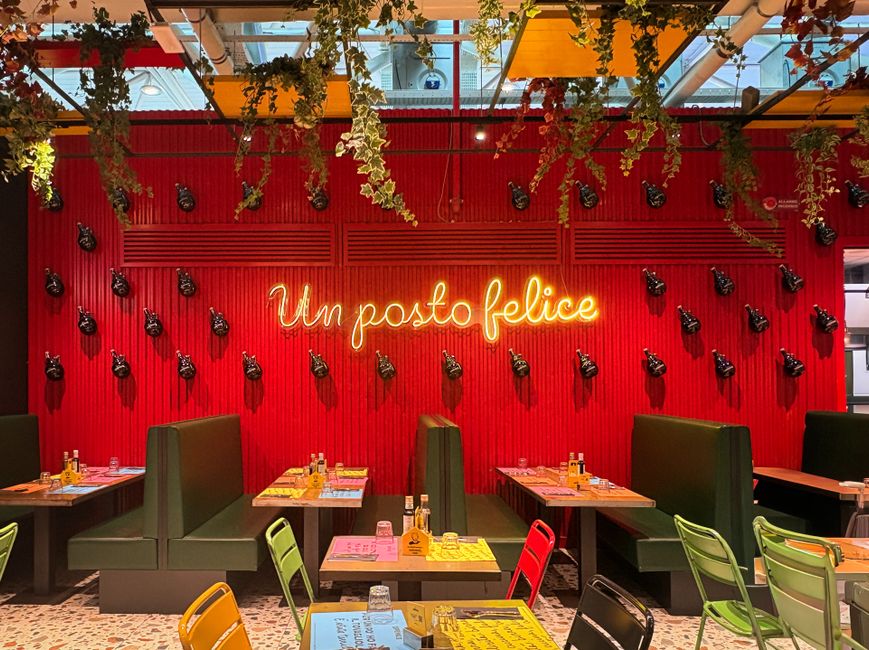
For instance, a fine dining restaurant might opt for dim lighting and rich, warm colors to evoke intimacy and luxury. Conversely, a casual eatery could utilize bright colors and natural light to create a welcoming and energetic environment. The choice of decor elements, from wall art to table settings, should align with the restaurant’s theme and target audience.
Functional Layouts: Balancing Aesthetics and Practicality
A successful restaurant interior design balances aesthetics with functionality. The layout must ensure a smooth flow of both guests and staff, minimizing congestion and enhancing the dining experience. This includes strategic placement of furniture, pathways for servers, and accessible locations for restrooms and exits.
For example, an open kitchen concept can offer diners a glimpse of the culinary process, improving engagement while also making efficient use of space. Additionally, modular furniture can provide flexibility, allowing the restaurant to accommodate different party sizes and events without compromising the overall style.
Sustainable Design Trends
As sustainability becomes increasingly important, many restaurants are adopting eco-friendly interior design practices. This includes using sustainable materials, energy-efficient lighting, and incorporating greenery into the design. A restaurant that focuses on sustainability not only attracts eco-conscious diners but also contributes positively to the environment.
For example, reclaimed wood furniture and recycled materials for decor can create a rustic yet modern vibe. Furthermore, incorporating plants not only improves air quality but also adds a refreshing visual element, making the space more inviting. Restaurants that embrace these principles often find that sustainability resonates well with their customers, enhancing brand loyalty.
The Role of Technology in Design
Modern technology is reshaping restaurant interior design in innovative ways. From digital menus to interactive tables, technology can enhance the dining experience while also streamlining operations. Integrating technology into the design allows for a more personalized service, catering to the needs and preferences of the guests.
For instance, touch-screen ordering systems can reduce wait times and improve accuracy. Additionally, smart lighting systems can adjust the ambiance based on the time of day or the type of event being hosted, creating a dynamic atmosphere that adapts to various situations.
Creating a Unique Brand Identity
The interior design of a restaurant should reflect its brand identity. Every element, from color schemes to furniture styles, should convey the restaurant’s story and values. A cohesive design not only attracts customers but also helps in building a loyal customer base.
For example, a restaurant that emphasizes local cuisine may choose decor that highlights regional art and culture, creating a sense of place and connection with the community. This not only enhances the dining experience but also establishes the restaurant as a staple in the local culinary scene. Effective restaurant interior design can reinforce the brand’s message and create memorable experiences that diners associate with their visits.
Conclusion
In conclusion, the art of restaurant interior design is a multifaceted discipline that requires careful consideration of various elements. From creating an inviting ambiance to ensuring functionality and embracing sustainability, every aspect plays a crucial role in shaping the dining experience. As the industry continues to evolve, staying abreast of trends and innovations will enable restaurant owners to design spaces that not only attract but also retain customers. To explore more about the intricacies of restaurant interior design, it’s essential to understand the balance between aesthetic appeal and practical functionality.
About the Author