The ambiance of a restaurant plays a crucial role in shaping the dining experience. From the moment guests step inside, the interior design sets the tone for their meal, influencing their mood and appetite. In today’s competitive culinary landscape, restaurant owners must prioritize thoughtful interior design to create memorable experiences that keep patrons coming back. This article delves into the essential elements of restaurant interior design and how they can transform a simple meal into an extraordinary dining adventure.
Understanding the Importance of Restaurant Interior Design
Restaurant interior design is not merely about aesthetics; it serves functional purposes that enhance both the customer experience and operational efficiency. A well-designed space can improve customer flow, optimize seating arrangements, and create intimate or communal dining experiences based on the restaurant’s concept. According to a study by the Restaurant Association, 60% of diners consider the atmosphere to be a critical factor when choosing a restaurant.
Moreover, the interior design reflects the restaurant’s brand identity. Whether it’s a rustic bistro or a modern fine dining establishment, the design communicates the restaurant’s story and values. Elements such as color schemes, furniture styles, and decor choices must align with the overall theme to ensure a cohesive experience for guests.
For instance, a farm-to-table restaurant may opt for natural wood finishes and earthy tones to emphasize its commitment to sustainability. In contrast, a high-end sushi bar might feature sleek lines and minimalistic decor to convey sophistication. Thus, the interior design acts as an extension of the restaurant’s mission and values.
Key Elements of Effective Restaurant Interior Design
When embarking on a restaurant interior design project, several key elements should be taken into consideration:
1. Layout and Space Planning: The layout is crucial for ensuring smooth operations and a pleasant dining experience. Open floor plans may encourage social interaction, while intimate seating arrangements can foster a cozy atmosphere. Consideration for the flow of service, including kitchen access and the placement of restrooms, is also essential.
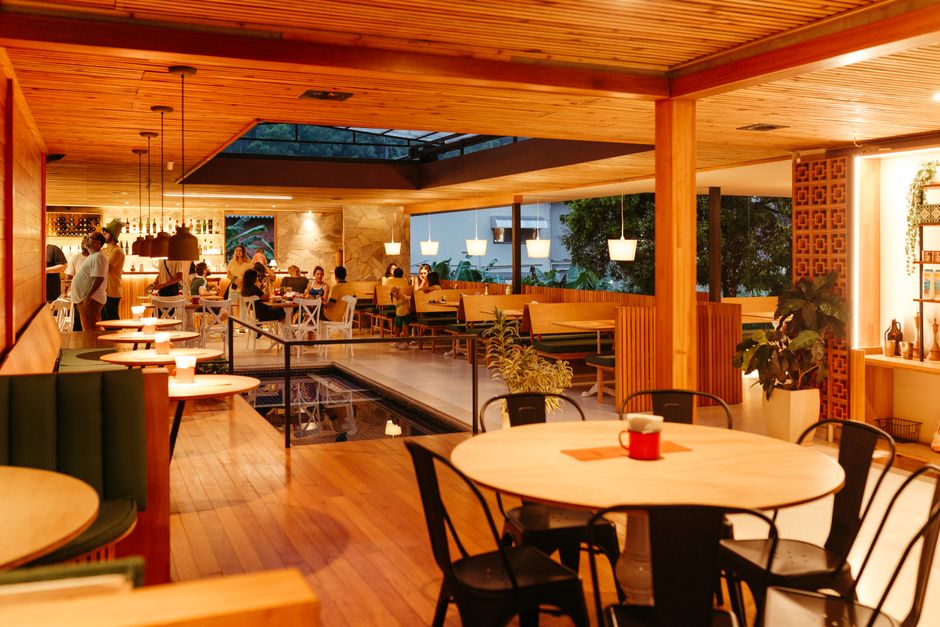
2. Lighting: Lighting plays a transformative role in setting the mood. Warm lighting can create a welcoming environment, while bright lights may be suited for fast-casual dining experiences. Additionally, the use of natural light can enhance the ambiance, making the space feel more open and inviting.
3. Color Palette: Colors evoke emotions and can significantly influence dining experiences. Warm colors like red and orange can stimulate appetite, while cooler colors like blue and green can create a calming effect. The chosen color palette should harmonize with the restaurant’s brand and theme.
4. Furniture and Decor: The selection of furniture should balance comfort and style. High-quality, durable materials are essential for longevity, while unique decor elements can serve as conversation starters. Incorporating local art or handcrafted pieces can also enhance the restaurant’s character.
Integrating technology into the design is another emerging trend. For instance, interactive menus or digital displays can enhance the dining experience while streamlining operations.
Case Studies: Successful Restaurant Interior Design Examples
To illustrate the impact of effective interior design, let’s look at a few successful examples:
1. The Ivy, London: Renowned for its lush interiors, The Ivy combines classic and contemporary design elements. The restaurant features rich fabrics, elegant lighting, and an impressive art collection, creating a luxurious dining environment that attracts celebrities and food enthusiasts alike.
2. Nobu, Worldwide: Nobu restaurants are famous for their sleek, modern design that reflects Japanese aesthetics. The use of natural materials, minimalist decor, and open layouts promotes a zen-like atmosphere, aligning perfectly with the brand’s culinary philosophy.
3. Blue Hill at Stone Barns, New York: This farm-to-table restaurant showcases rustic charm with its reclaimed wood interiors and panoramic views of the surrounding farmland. The design emphasizes sustainability and an appreciation for nature, enhancing the overall dining experience.
These examples highlight how thoughtful restaurant interior design can elevate the dining experience, making it more than just a meal.
Trends Shaping the Future of Restaurant Interior Design
The restaurant industry is continually evolving, with new design trends emerging to meet changing consumer preferences. Some current trends include:
1. Biophilic Design: Incorporating elements of nature into interior spaces can enhance well-being and create a calming atmosphere. Restaurants are increasingly using plants, natural materials, and water features to bring the outdoors inside.
2. Sustainability: Eco-friendly materials and practices are becoming a priority in restaurant design. Owners are opting for sustainable furniture, energy-efficient lighting, and waste-reducing practices to appeal to environmentally conscious diners.
3. Flexibility: As dining habits shift, restaurants are adapting their spaces to accommodate various needs. Modular furniture and adaptable layouts allow for quick reconfiguration, whether for intimate dinners or larger gatherings.
4. Technology Integration: The rise of technology in dining experiences has led to the incorporation of smart systems for ordering, payment, and ambiance control, enhancing convenience and efficiency.
Conclusion
In conclusion, restaurant interior design is a vital component that influences customer satisfaction and business success. From creating a strong brand identity to enhancing the overall dining experience, the importance of thoughtful design cannot be overstated. As the industry continues to evolve, staying abreast of current trends and consumer preferences will be crucial for restaurant owners aiming to create captivating spaces. By investing in innovative and functional design, restaurants can not only attract customers but also foster loyalty and repeat visits. For those interested in delving deeper into the world of restaurant interior design, exploring various concepts and trends can provide valuable insights into creating a truly unique dining environment.
About the Author