The interior design of a restaurant plays a pivotal role in shaping the dining experience. A well-thought-out design not only attracts customers but also enhances their overall satisfaction, encouraging repeat visits. This article explores the essential elements of restaurant interior design, trends, and practical tips for creating a captivating environment.
Understanding the Importance of Restaurant Interior Design
Restaurant interior design goes beyond mere aesthetics; it is about creating an atmosphere that resonates with the restaurant’s brand identity. The layout, color palette, furniture choice, and decorative elements all contribute to the establishment’s ambiance. Studies show that customers are more likely to return to restaurants that provide a visually appealing environment. According to a survey by the National Restaurant Association, 60% of diners said that the interior design significantly influences their overall dining experience.
Moreover, the right interior design can enhance operational efficiency. A well-planned layout can facilitate smooth movement for both staff and customers, ultimately improving service speed and customer satisfaction. For instance, restaurants with open kitchens often create a sense of transparency and trust, allowing diners to see their food being prepared.
Key Elements of Effective Restaurant Interior Design
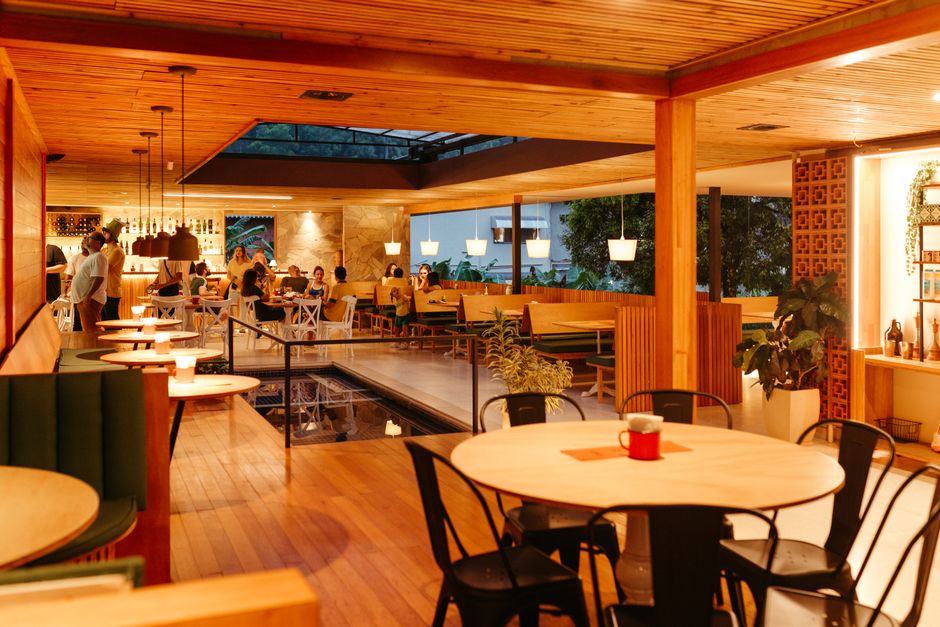
1. **Layout and Space Planning**: The arrangement of tables, chairs, and other elements should promote flow and comfort. Considerations such as booth seating for intimacy or communal tables for social interaction can affect how patrons experience the space.
2. **Color Psychology**: Colors evoke emotions and can influence dining decisions. Warm colors like reds and oranges can stimulate appetite, while cool colors like blues and greens can create a calming atmosphere. Choosing the right color scheme is crucial for aligning with the restaurant’s theme and target audience.
3. **Lighting**: The right lighting can create mood and ambiance. Soft, warm lighting may enhance a romantic dining experience, while brighter lighting can energize a casual eatery. Natural light can also play a significant role, making the space feel more inviting.
4. **Furniture Selection**: The choice of furniture affects not only comfort but also the overall aesthetic. Custom furniture can help in establishing a unique identity while ensuring that it complements the design theme. For example, rustic wooden tables may suit a farm-to-table concept, while sleek metal furniture might fit a modern eatery.
Current Trends in Restaurant Interior Design
Understanding current trends is crucial for staying relevant in the competitive restaurant industry. One trend gaining popularity is biophilic design, which incorporates natural elements into the space. This can include indoor plants, natural light, and materials like wood and stone.
Another trend is the use of technology. Many restaurants are integrating smart features such as digital menus and contactless payment systems, which can influence the design layout to accommodate these technologies. Additionally, sustainable design practices are becoming more prevalent, with restaurants opting for eco-friendly materials and energy-efficient lighting.
Practical Tips for Designing a Restaurant Interior
When embarking on a restaurant interior design project, consider the following practical tips:
1. **Define Your Brand**: Your interior should reflect your brand’s identity. Whether it’s casual, upscale, or themed, your design should tell a story that resonates with your target audience.
2. **Incorporate Customer Feedback**: Engage with your customers to understand their preferences and experiences. This feedback can provide valuable insights into what aspects of your design are working and what might need adjustment.
3. **Test the Layout**: Before finalizing the layout, conduct a mock setup. This can help identify potential issues in customer flow and staff efficiency. Make adjustments as necessary to create an optimal dining experience.
4. **Hire Professionals**: Consider hiring a professional interior designer who specializes in restaurant spaces. Their expertise can help you navigate complex design challenges and ensure a cohesive look. For those interested in exploring expert concepts, check out restaurant interior design resources.
Conclusion: Crafting Memorable Dining Experiences
In conclusion, the interior design of a restaurant is a critical component of its success. It is not only about beauty but also functionality, customer comfort, and brand representation. By understanding the key elements, current trends, and practical tips outlined in this article, restaurateurs can create inviting spaces that attract diners and encourage them to return. The art of restaurant interior design is an ongoing process of refinement and adaptation, ensuring that each visit is a memorable experience.
About the Author