In recent years, the fashion industry has seen a significant shift towards private label clothing. This trend offers retailers the opportunity to create their own brand identity while maintaining control over their product lines. But what does it really mean to venture into private label clothing, and how can businesses successfully navigate this landscape? In this article, we will delve into the intricacies of private label clothing, its benefits, and how to effectively implement a private label strategy.
Understanding Private Label Clothing
Private label clothing refers to apparel that is manufactured by one company but sold under another company’s brand name. This arrangement allows retailers to offer unique products without investing heavily in the production process themselves. Retailers can choose the fabrics, styles, and designs, ensuring that the final product aligns with their brand ethos and target market.
One of the primary advantages of private label clothing is the ability to differentiate from competitors. By offering exclusive designs, businesses can attract customers looking for unique fashion items. Moreover, private label clothing often comes with higher profit margins compared to selling third-party brands. Retailers can set their prices based on their brand positioning without the constraints imposed by established brands.
The Benefits of Private Label Clothing
There are several compelling reasons why retailers should consider private label clothing. Firstly, it allows for greater control over quality. Retailers can work closely with manufacturers to ensure that the materials and production processes meet their standards. This level of oversight can lead to higher customer satisfaction and brand loyalty.
Secondly, private label clothing provides an opportunity for retailers to respond quickly to market trends. Unlike traditional brands, which may have longer lead times, private label producers can often turn around new styles in a matter of weeks. This agility can be a significant competitive advantage in the fast-paced world of fashion.
Additionally, private label clothing can enhance a retailer’s brand image. By creating a line that reflects the values and aesthetics of their brand, retailers can strengthen their identity and build a more loyal customer base. For instance, a store that emphasizes sustainability can develop an eco-friendly private label line, attracting environmentally conscious consumers.
Challenges in the Private Label Clothing Market
While there are numerous benefits to private label clothing, there are also challenges that retailers must navigate. One of the most significant hurdles is finding the right manufacturing partner. It’s crucial to choose a manufacturer that aligns with your brand’s values and can produce high-quality goods consistently.
Furthermore, retailers must invest time and resources into marketing their private label products effectively. Unlike established brands, private labels may lack immediate recognition, requiring a strategic marketing approach to build awareness and drive sales. Utilizing social media, influencer marketing, and targeted advertising can be effective strategies to promote private label clothing.
Lastly, retailers should be mindful of inventory management. Unlike third-party brands that may have established demand, private label products may require more trial and error to gauge consumer interest. Effective inventory management practices are essential to avoid overstocking or stockouts.
Steps to Launching a Private Label Clothing Line
Launching a private label clothing line involves several key steps. First, conduct market research to identify trends and gaps in the market. Understanding your target audience’s preferences will guide your product selection and design process.
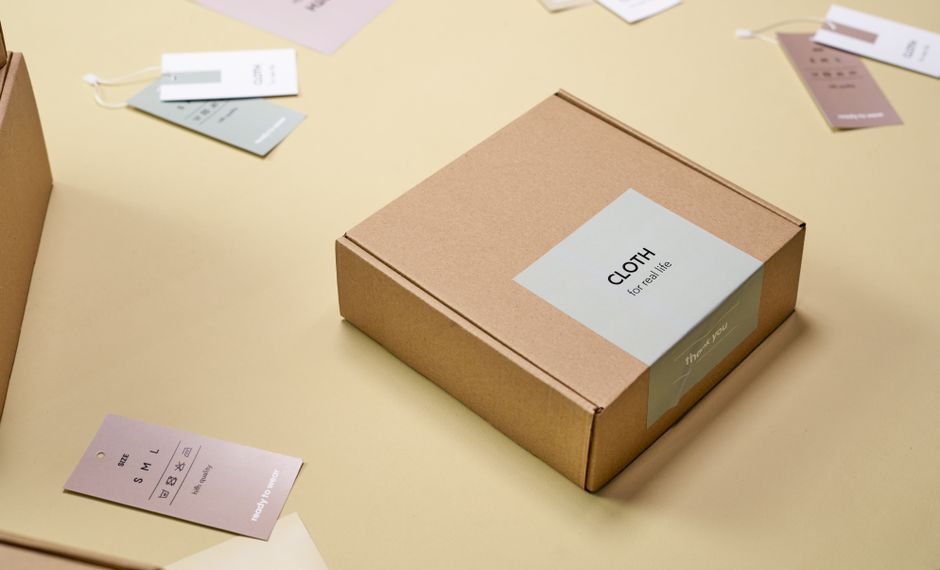
Next, establish a strong brand identity. Your private label products should reflect your brand’s values and aesthetics. This includes designing packaging, labels, and marketing materials that are consistent with your overall branding.
Once you have your designs, it’s time to source a reliable manufacturer. Look for companies that specialize in private label clothing and have a reputation for quality. Request samples and conduct quality checks before committing to a production run.
Finally, develop a marketing strategy to promote your private label line. This could include social media campaigns, influencer partnerships, and email marketing to your existing customer base. By effectively communicating the unique value of your private label clothing, you can drive interest and sales.
Conclusion
Private label clothing presents a unique opportunity for retailers to establish their brand identity and increase profit margins. By understanding the benefits, challenges, and steps involved in launching a private label line, businesses can position themselves for success in the ever-evolving fashion industry. As consumer demand for unique and high-quality products continues to rise, embracing private label clothing may just be the key to standing out in a crowded marketplace. For those interested in exploring this avenue, resources such as private label clothing platforms can provide valuable insights and connections to manufacturers.
About the Author