Cardiopulmonary Resuscitation (CPR) is a critical lifesaving technique that can make the difference between life and death in emergency situations. Whether it’s a cardiac arrest, drowning, or other critical incidents, knowing how to administer CPR can be invaluable. This article dives deep into what CPR is, its importance, the steps involved, and how to get trained effectively.
What is CPR?
CPR stands for Cardiopulmonary Resuscitation, a combination of chest compressions and rescue breaths designed to maintain blood flow and oxygenation to the brain and other vital organs during cardiac arrest. The technique is crucial because, during cardiac arrest, a person’s heart stops beating, leading to a rapid decline in oxygen levels in the body, which can cause irreversible brain damage within minutes. Understanding the basic principles of CPR can empower individuals to take action when it matters most.
CPR is not just a skill for medical professionals; it is a vital skill that anyone can learn. The American Heart Association estimates that immediate CPR can double or triple a person’s chance of survival after a cardiac arrest. Hence, widespread training and education on CPR are essential.
The Importance of CPR Training
Despite its significance, many people remain unaware of how to perform CPR. Statistics show that nearly 70% of Americans feel helpless to act during a cardiac emergency because they do not know how to perform CPR. This gap in knowledge can lead to unnecessary loss of life. CPR training not only equips individuals with the necessary skills but also builds confidence in their ability to respond effectively in emergencies.
Moreover, CPR training can be easily obtained through various organizations. Local community centers, hospitals, and online platforms offer courses ranging from basic to advanced levels. For instance, attending a specialized CPR course like HLR kurs Stockholm can provide hands-on practice and expert guidance.
Basic Steps of CPR
The steps to perform CPR can be summarized in a few key actions. First, ensure the scene is safe, and then check for responsiveness. If the individual is unresponsive, call emergency services immediately. Next, check for breathing. If the person is not breathing or only gasping, begin CPR.
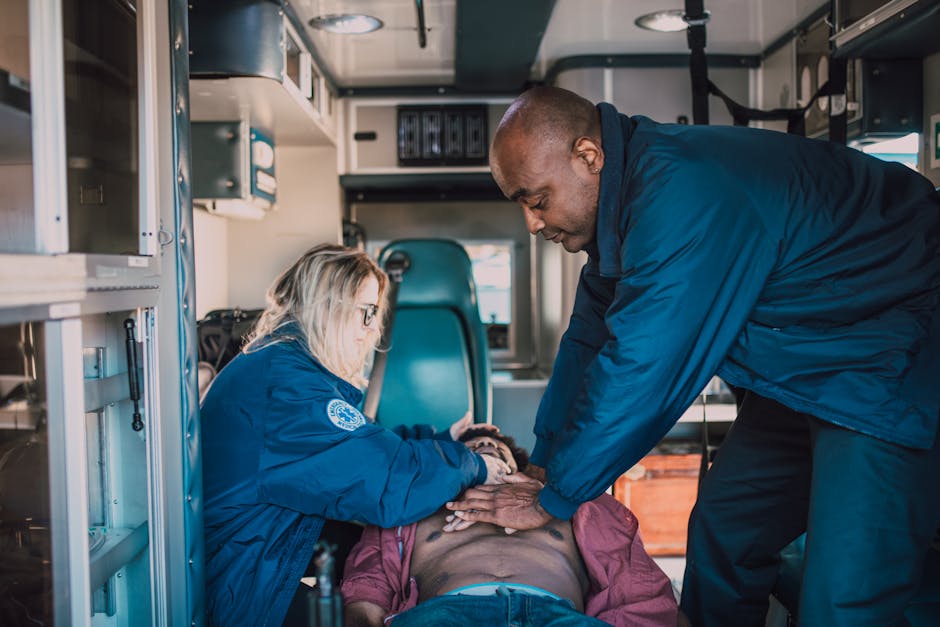
For adults, the CPR technique involves placing the heel of one hand on the center of the chest, interlocking the fingers of the other hand on top, and compressing downwards at a rate of 100 to 120 compressions per minute. After every 30 compressions, give two rescue breaths by tilting the head back slightly, pinching the nose, and sealing your lips over theirs to provide breaths.
The importance of rhythm and timing cannot be overstated; it is vital to maintain a steady pace to ensure adequate blood flow during the procedure. It is also essential to continue CPR until professional help arrives or the person shows signs of life.
Common Myths About CPR
Despite the widespread information available, several myths about CPR persist, often discouraging people from learning the technique. One common myth is that you can harm the person if you perform CPR incorrectly. While it is true that improper technique may cause some injury, the risk of not performing CPR at all is far greater. In most cases, the benefits of administering CPR outweigh the risks.
Another myth is that CPR is only necessary for adults. In reality, children and infants can also experience cardiac arrest and may require CPR. The techniques differ slightly based on age, but the fundamental principles remain the same.
How to Keep Your CPR Skills Updated
Learning CPR is just the first step; maintaining those skills is equally important. CPR techniques and guidelines can evolve, so it is essential to stay updated. Most organizations recommend recertification every two years to ensure knowledge and skills remain current.
Additionally, practicing CPR regularly can help reinforce your skills. Many training programs offer refresher courses that include hands-on practice. Engaging in community events focused on health and safety can also provide opportunities to practice CPR in a supportive environment.
Conclusion
CPR is a lifesaving skill that everyone should acquire. The ability to respond effectively to a cardiac emergency can save lives and make a significant difference in critical situations. By understanding the importance of CPR, familiarizing yourself with the steps, debunking common myths, and staying updated through training, you can be prepared to act decisively when it matters most. Remember, your willingness to learn and take action can potentially save someone’s life.
About the Author