
In recent years, hair transplant procedures have gained immense popularity as a solution for hair loss. With advancements in technology and techniques, more individuals are considering this option to restore their confidence and improve their appearance. However, the decision to undergo a hair transplant is not one to be taken lightly. This article aims to provide a thorough understanding of hair transplants, including the types of procedures available, what to expect during the process, and the aftercare needed for optimal results.
Understanding Hair Loss
Before delving into hair transplant options, it is crucial to understand the underlying causes of hair loss. Various factors contribute to hair thinning and baldness, including genetics, hormonal changes, medical conditions, and lifestyle choices. According to the American Hair Loss Association, approximately 85% of men experience significant hair thinning by the age of 50, highlighting the widespread nature of this issue.
Common types of hair loss include androgenetic alopecia (male and female pattern baldness), alopecia areata (patchy hair loss), and telogen effluvium (temporary hair loss due to stress or illness). Understanding the type of hair loss one is experiencing is essential, as it can influence the choice of treatment.
Types of Hair Transplant Procedures
There are primarily two types of hair transplant techniques: Follicular Unit Transplantation (FUT) and Follicular Unit Extraction (FUE). Each method has its advantages and is suitable for different individuals based on their specific needs and hair loss patterns.
FUT involves removing a strip of skin from the donor area, typically at the back of the head, and then dissecting it into individual follicular units for transplantation. This method can yield a larger number of grafts in a single session and is generally more cost-effective. However, it leaves a linear scar that may be visible if the hair is cut very short.
On the other hand, FUE entails extracting individual hair follicles directly from the donor area using a specialized tool. This technique is less invasive, results in minimal scarring, and allows for a quicker recovery time. However, it may take longer to perform and can be more expensive than FUT.
The Hair Transplant Process
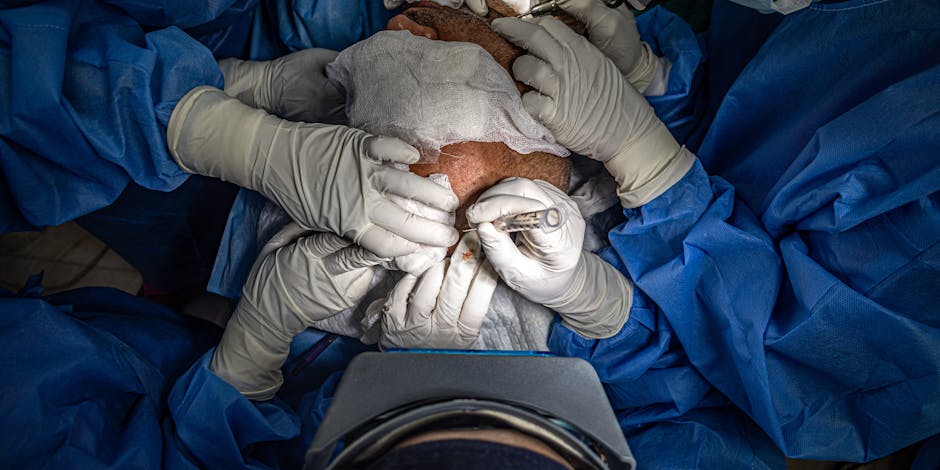
The hair transplant process usually begins with a consultation where the surgeon assesses the patient’s hair loss, discusses expectations, and determines the most suitable procedure. During the surgery, local anesthesia is administered to ensure the patient is comfortable throughout the procedure.
After the grafts are harvested, they are meticulously implanted into the recipient area, following a natural hair growth pattern to ensure a seamless appearance. The entire process can take anywhere from 4 to 8 hours, depending on the number of grafts being transplanted.
Post-surgery, patients may experience some swelling, redness, or discomfort, which is normal and usually subsides within a few days. It is essential to follow the surgeon’s aftercare instructions, which may include avoiding strenuous activities, not washing the hair for a certain period, and taking prescribed medications to minimize discomfort and prevent infection.
Expected Results and Recovery
Results from hair transplants can take time to become fully apparent. Initially, transplanted hair may shed within the first few weeks; however, this is part of the natural growth cycle. Most patients begin to notice new hair growth within three to six months post-procedure, with full results typically visible after 12 to 18 months.
According to a study published in the International Journal of Trichology, the success rate of hair transplant procedures can be as high as 95%, depending on various factors including the skill of the surgeon, the quality of the donor hair, and the patient’s adherence to aftercare recommendations. Patients are encouraged to maintain realistic expectations and understand that individual results may vary.
Choosing the Right Clinic
When considering a hair transplant, choosing the right clinic is paramount. Prospective patients should research clinics thoroughly, checking for credentials, reviews, and before-and-after photos of previous patients. Many choose to travel for procedures, with destinations such as Turkey becoming increasingly popular due to the combination of quality care and affordability. For instance, clinics specializing in hair transplant turkey have gained recognition for their advanced techniques and experienced staff.
Additionally, it is essential to have an in-depth consultation with the surgeon to discuss all concerns, ask questions, and ensure that the chosen clinic aligns with the patient’s expectations and needs.
Conclusion
Hair transplants can be a life-changing solution for those struggling with hair loss, offering a chance to regain confidence and enhance appearance. Understanding the various aspects of the procedure, including types, processes, recovery, and choosing the right clinic, is crucial for making an informed decision. As with any medical procedure, thorough research and consultation with qualified professionals will help ensure a satisfactory outcome.
About the Author