
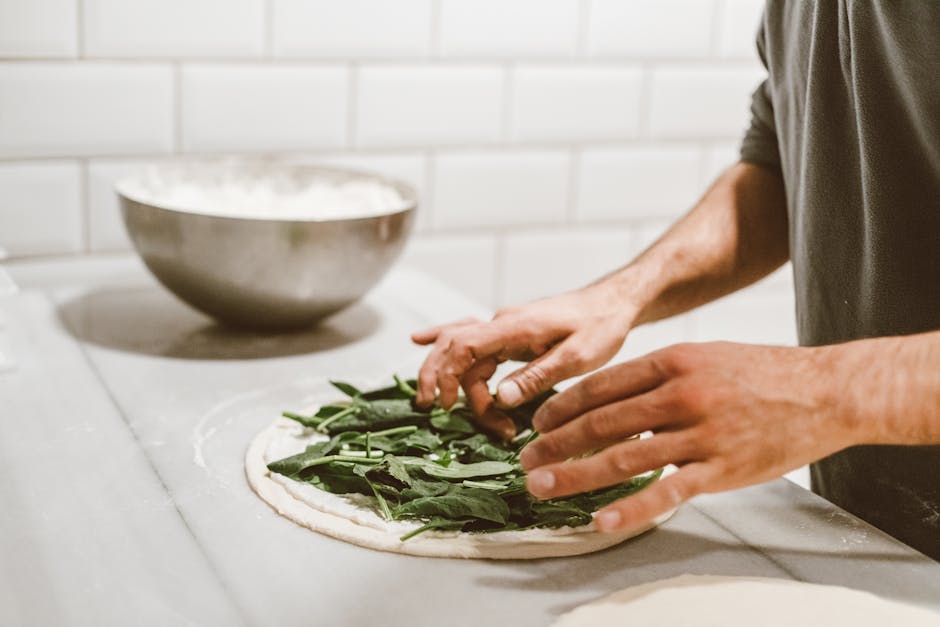
Handmade pizza is more than just a meal; it is a delightful culinary experience that brings people together. From the aroma of freshly baked dough to the vibrant colors of fresh toppings, making pizza by hand is both an art and a science. In this article, we will explore the various aspects of handmade pizza, from its history to the ingredients and techniques that make it a beloved dish around the world.
The History of Pizza
Pizza has a rich history that dates back to ancient civilizations. The earliest forms of pizza were simple flatbreads topped with various ingredients. However, it wasn’t until the late 19th century in Naples, Italy, that pizza as we know it today began to take shape. The Margherita pizza, topped with tomatoes, mozzarella, and basil, was created in honor of Queen Margherita of Savoy. This dish not only symbolizes Italian culinary tradition but also represents the fusion of flavors that make pizza so universally appealing.
As Italian immigrants brought pizza to the United States in the early 20th century, it quickly gained popularity, particularly in cities like New York and Chicago. Each region developed its own unique style, from the thin crust of New York pizza to the deep-dish variety of Chicago. Today, pizza is enjoyed worldwide, with countless variations reflecting local tastes and ingredients.
Essential Ingredients for Handmade Pizza
Creating the perfect handmade pizza starts with high-quality ingredients. The dough is the foundation of any good pizza, and using the right flour is crucial. Many pizza enthusiasts recommend using 00 flour, which is finely milled and provides a great texture. Additionally, the water used in the dough should be of good quality, as it affects the overall flavor.
The sauce is another key component. Traditional pizza sauce is made from San Marzano tomatoes, known for their sweetness and low acidity. A simple blend of tomatoes, garlic, olive oil, and fresh basil can create a sauce that complements the crust perfectly. Toppings are where creativity shines; whether it’s pepperoni, fresh vegetables, or gourmet cheeses, the possibilities are endless.
For those who enjoy a touch of luxury, incorporating ingredients like truffle oil or high-end cheeses can elevate a homemade pizza to a new level. Just like at LUXURY 777, where gourmet pizzas are crafted with finesse, handmade pizzas can also impress with unique flavor combinations.
Techniques for Crafting the Perfect Pizza
Making handmade pizza requires both skill and technique. One of the most critical steps is kneading the dough. Kneading develops gluten, which gives the crust its chewiness. After kneading, the dough must rise for at least an hour, allowing it to become airy and soft.
When shaping the dough, it’s best to avoid using a rolling pin. Instead, gently stretch and shape it by hand to maintain the air bubbles that give the crust its texture. Preheating the oven is essential, as a hot oven creates a crispy crust. Many pizza enthusiasts recommend using a pizza stone or steel to achieve restaurant-quality results at home.
Creative Topping Ideas
One of the joys of making handmade pizza is the ability to customize toppings to your liking. Classic combinations like pepperoni and mozzarella are always a hit, but experimenting with unconventional toppings can lead to exciting discoveries. For instance, combining figs with prosciutto and goat cheese creates a sweet and savory delight.
Seasonal ingredients can also inspire unique toppings. In the summer, fresh tomatoes, basil, and mozzarella can create a Caprese-style pizza, while autumn might call for roasted butternut squash and sage. The key is to balance flavors and textures, ensuring that no single ingredient overpowers the others.
The Social Aspect of Making Pizza
Handmade pizza is not just about the food; it’s also an opportunity to gather with friends and family. Hosting a pizza night can be a fun and interactive experience. Everyone can customize their own pizzas, making it a communal activity that encourages creativity and conversation.
Moreover, pizza-making can be a learning experience. Teaching children or friends how to knead dough and choose toppings can create lasting memories. These moments strengthen bonds and foster a love for cooking and sharing meals together.
Conclusion
Handmade pizza is a testament to the beauty of cooking from scratch. It combines history, quality ingredients, and personal creativity to create a dish that transcends borders and cultures. Whether you are a seasoned chef or a beginner in the kitchen, making pizza by hand allows you to express yourself while enjoying a delicious meal. So gather your ingredients, invite your loved ones, and embark on a culinary journey of handmade pizza that you will cherish.
About the Author