
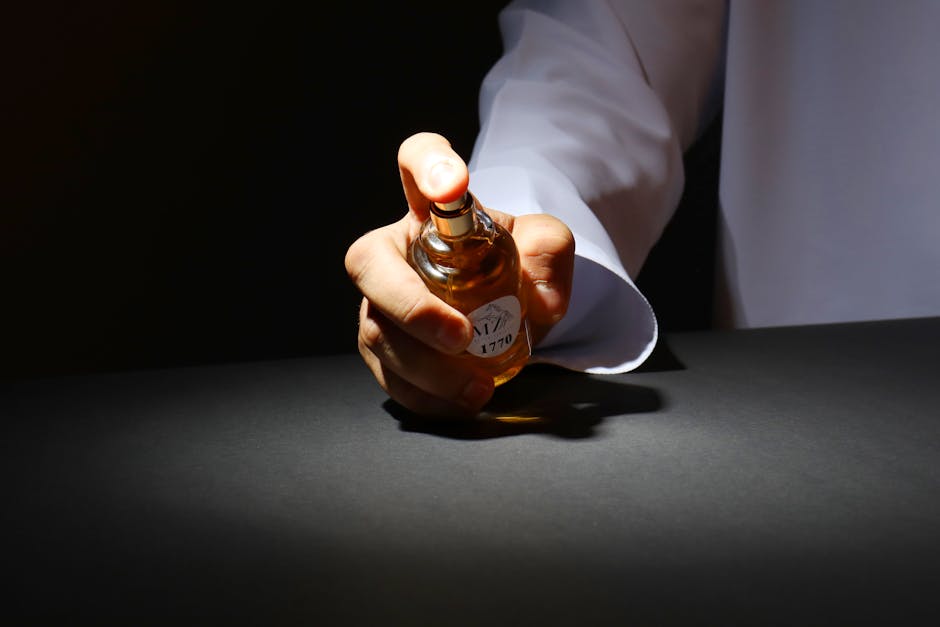
Perfume has captivated humanity for centuries, serving as a means of self-expression, memory evocation, and even social status. From the ancient Egyptians who used fragrant oils in their rituals to modern-day enthusiasts who curate collections of artisanal scents, the world of perfume is rich and diverse. This article explores the history, types, and cultural significance of perfume, shedding light on why it remains an essential part of our daily lives.
The Rich History of Perfume
The origins of perfume can be traced back to ancient civilizations. The Egyptians were among the first to develop complex fragrances, using ingredients like myrrh, frankincense, and various flowers in their religious ceremonies and for personal use. They believed that scents had divine properties, connecting them to their gods.
As time progressed, the art of perfume-making spread to other cultures, including the Greeks and Romans, who appreciated the aesthetic and therapeutic qualities of fragrances. The Renaissance period saw a surge in popularity, particularly in Italy and France, where the first modern perfumeries emerged. This laid the foundation for the luxurious and sophisticated world of perfume we know today.
In the 19th century, the development of synthetic ingredients revolutionized the perfume industry. These new compounds allowed for greater creativity and variety, making fragrances more accessible to the general public. Today, we can find an array of perfumes that cater to every preference and occasion, from high-end designer scents to affordable options.
The Anatomy of a Perfume
Understanding perfume involves recognizing its basic structure, which typically consists of three layers: top notes, middle notes, and base notes. Top notes are the initial scents that are perceived immediately upon application; they are often fresh and light, such as citrus or herbal elements. These scents typically evaporate quickly, lasting only a few minutes.
Middle notes, or heart notes, emerge once the top notes fade. They form the essence of the fragrance and can include floral, fruity, or spicy components. These notes usually last for several hours, providing depth and character to the scent.
Finally, base notes are the foundation of the fragrance. They are rich and heavy, often consisting of woods, resins, or musks. Base notes provide longevity, allowing the scent to linger on the skin for hours, or even days. A well-balanced perfume will have a harmonious blend of all three layers, creating a memorable and lasting impression.
Types of Perfumes
Perfumes can be categorized into various types based on their concentration of fragrance oils. The four main categories are:
- Parfum: Also known as extrait de parfum, this type contains the highest concentration of fragrance oils (20-30%). It is rich and long-lasting, requiring only a small amount for a noticeable effect.
- Eau de Parfum (EDP): With a concentration of 15-20%, EDPs are popular for their balance of intensity and wearability. They typically last longer than Eau de Toilette but are lighter than parfum.
- Eau de Toilette (EDT): Containing 5-15% fragrance oils, EDTs are lighter and more suited for everyday use. They are often more affordable and come in larger bottles.
- Eau de Cologne (EDC): This type has the lowest concentration of fragrance oils (2-5%) and is often used as a refreshing splash. It is perfect for warm weather or casual settings.
Each type of perfume serves a different purpose, and choosing the right one can enhance your personal style and mood.
The Cultural Significance of Perfume
Perfume is not just about smelling good; it carries deep cultural significance across different societies. In many cultures, scents are associated with rituals, celebrations, and traditions. For instance, in Middle Eastern cultures, perfume is a symbol of hospitality and is often gifted to guests as a sign of respect.
In modern society, fragrance plays a crucial role in personal branding. Many individuals select their signature scent to convey their personality, mood, or even their status. Luxury brands have capitalized on this idea, creating exclusive fragrances that reflect a lifestyle of elegance and sophistication.
Moreover, the psychological impact of scent cannot be underestimated. Studies have shown that certain fragrances can evoke powerful memories or emotions, making perfume a potent tool for memory recall and emotional connection. This phenomenon explains why many people associate specific scents with important life events or loved ones.
Choosing the Right Perfume
Selecting the perfect fragrance can be overwhelming, given the vast array of options available today. Here are some practical tips to help you make an informed choice:
- Know Your Preferences: Consider the types of scents you are naturally drawn to. Do you prefer floral, spicy, woody, or fresh fragrances? Identifying your preferences will help narrow down your options.
- Test Before You Buy: Always sample a fragrance on your skin before purchasing. Scents can smell different on paper versus on skin due to individual body chemistry. Allow the perfume to settle on your skin for a few hours to experience its full evolution.
- Consider the Occasion: Think about when and where you will wear the perfume. Lighter scents are often suitable for daytime or casual settings, while more intense fragrances may be better for evening events.
- Explore Niche Brands: While designer fragrances are popular, don’t overlook niche brands that offer unique and artisanal scents. One such brand is Maison Francis Kurkdjian (MFK), known for its exquisite formulations and luxurious appeal.
Ultimately, the right perfume should resonate with your identity and make you feel confident and empowered.
Conclusion
Perfume is an intricate blend of art, science, and culture that has evolved over thousands of years. Its ability to evoke emotions and memories makes it a powerful tool for self-expression and connection. Whether you are a seasoned fragrance enthusiast or a casual wearer, understanding the nuances of perfume can enhance your appreciation for this timeless art form. As you explore the world of scents, remember to choose fragrances that reflect your personality and make you feel truly alive.
About the Author