In recent years, the demand for vehicle customization has skyrocketed, with car wraps emerging as a popular choice among car enthusiasts and businesses alike. Car wrapping not only enhances the aesthetic appeal of vehicles but also serves as a protective layer against the elements, making it a practical investment. This article will delve into the various aspects of car wrap services, including their benefits, types, and the process involved in getting your vehicle wrapped.
What is Car Wrapping?
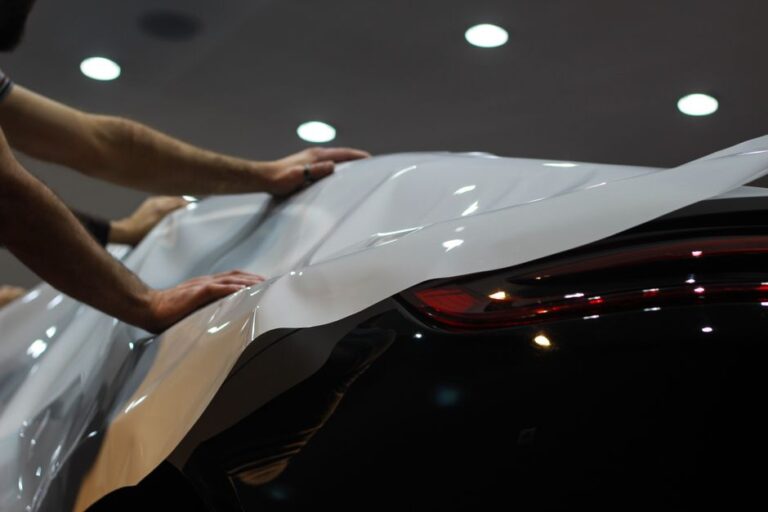
Car wrapping is the process of applying a large vinyl graphic or decal over the original paint of a vehicle. This technique allows for a complete transformation of the vehicle’s appearance without the need for a costly paint job. The vinyl used is durable, weather-resistant, and can last for several years when properly maintained. Car wraps can be designed in a variety of colors, finishes, and patterns, making them an excellent choice for personalizing a vehicle.
One of the most significant advantages of car wrapping is that it doesn’t damage the underlying paint, allowing for easy removal. This feature is particularly appealing to businesses that may want to update their branding or design over time without incurring the expense of a full repaint.
Benefits of Car Wrap Services
Car wraps offer numerous benefits, making them an attractive option for both personal and commercial vehicles. Firstly, they provide a layer of protection against scratches, UV rays, and other environmental factors that could damage the vehicle’s paint. This protective barrier can help maintain the vehicle’s resale value over time.
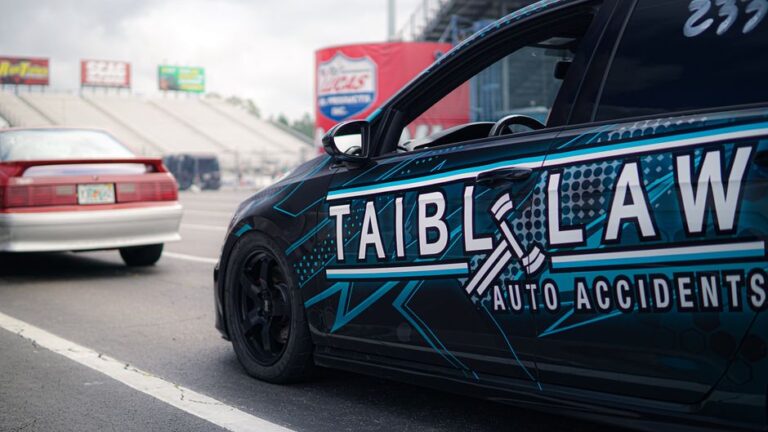
Secondly, car wraps are an effective marketing tool for businesses. A well-designed wrap can turn a vehicle into a mobile billboard, reaching thousands of potential customers daily. Studies have shown that vehicle advertising can generate a significant return on investment, making it a worthwhile consideration for businesses looking to increase brand visibility.
Additionally, car wraps are customizable to fit any brand or personal style. Whether you prefer a sleek matte finish or a vibrant glossy design, the options are virtually limitless. This level of customization ensures that your vehicle stands out on the road.
Types of Car Wraps
There are several types of car wraps available, each designed to meet specific needs and preferences. The most common types include:
- Full Wraps: These cover the entire vehicle and are ideal for a complete transformation. Full wraps provide the most extensive coverage and can incorporate intricate designs.
- Partial Wraps: These wraps cover only specific areas of the vehicle, such as the hood, roof, or side panels. Partial wraps are often more cost-effective and can still provide a significant impact.
- Vinyl Decals: For those looking for a simpler option, vinyl decals can be added to existing paint jobs. These can include logos, graphics, or text, and are perfect for businesses wanting to promote their brand without a full wrap.
The Car Wrapping Process
Getting a car wrap involves several steps to ensure the best results. The process typically begins with a consultation where the customer discusses their vision and preferences with the wrap provider. During this stage, it’s crucial to consider the design, color, and type of wrap that will best suit the vehicle and its intended use.
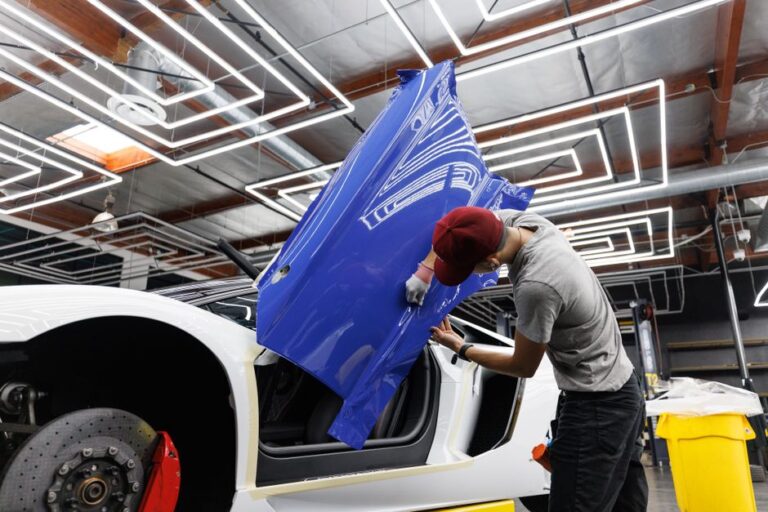
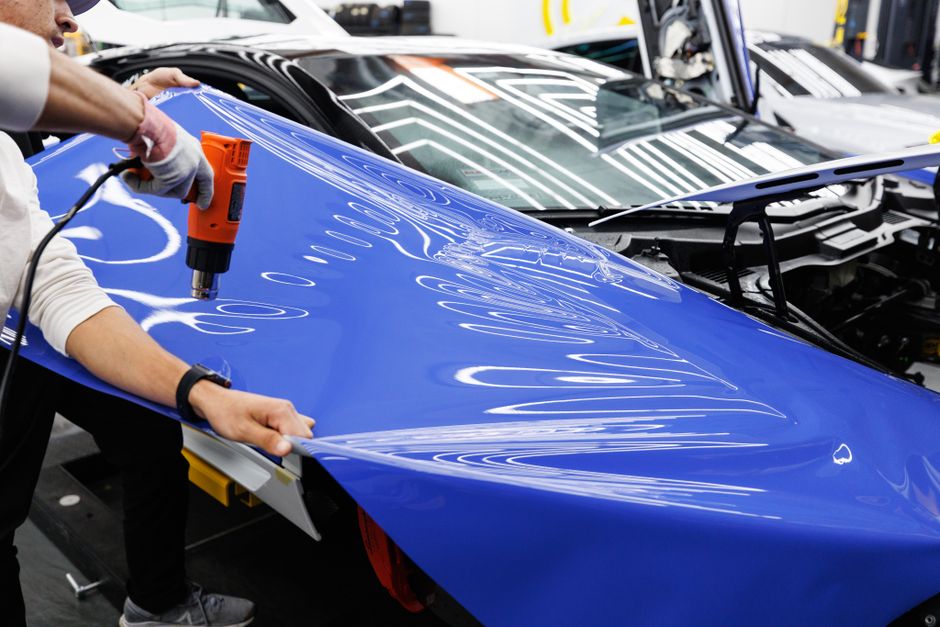
Once the design is finalized, the vehicle undergoes thorough cleaning and preparation. This step is essential as any dirt or imperfections can affect the adhesion of the vinyl. After preparation, the vinyl is meticulously applied to the vehicle, ensuring there are no bubbles or wrinkles.
Finally, the wrap is carefully inspected and any necessary adjustments are made. The entire process usually takes a few days, depending on the complexity of the design and the size of the vehicle.
Maintaining Your Car Wrap
To ensure the longevity of your car wrap, proper maintenance is crucial. Regular washing with gentle soap and water will help keep the wrap looking fresh. It’s important to avoid automatic car washes that use harsh brushes, as these can damage the vinyl.
Additionally, parking in shaded areas or using a car cover can help protect the wrap from prolonged exposure to the sun, which can cause fading. If the wrap becomes damaged, it can often be repaired without the need for a complete replacement, making car wraps a practical choice for vehicle customization.
For those interested in exploring options for vehicle customization, utilizing a car wrap service can provide a unique and eye-catching solution that meets both aesthetic and practical needs.
Conclusion
Car wrapping is a dynamic and versatile option for those looking to enhance their vehicle’s appearance or promote their business. With a variety of types and designs to choose from, it’s an accessible way to make a statement on the road. By understanding the benefits, types, and maintenance of car wraps, vehicle owners can make informed decisions that align with their personal or business goals.
About the Author