In recent years, the automotive industry has seen a surge in interest in car wrap services. Whether for personal expression, brand marketing, or simply enhancing the aesthetic appeal of a vehicle, wrapping has become a popular alternative to traditional paint jobs. This article explores the benefits, process, and considerations of car wrap services, providing insights for those interested in transforming their vehicles.
What is Car Wrapping?
Car wrapping is a process that involves applying a vinyl film over the original paint of a vehicle. This film comes in various colors, patterns, and finishes, allowing car owners to customize their vehicles in ways that standard paint cannot. The wraps can cover the entire car or specific sections, depending on the desired effect. Not only does wrapping provide a fresh look, but it also protects the underlying paint from scratches and UV damage.
Additionally, car wraps are reversible. If a car owner wants to change their vehicle’s appearance again, the wrap can be removed without damaging the original paint. This feature is particularly appealing for businesses that frequently update their branding or for individuals who enjoy changing their vehicle’s style.
The Benefits of Car Wrapping
One of the most significant advantages of car wrapping is its cost-effectiveness compared to a full paint job. Professional paint jobs can be expensive, often running into thousands of dollars. In contrast, a car wrap service can achieve a similar visual impact at a fraction of the cost. Moreover, the durability of high-quality vinyl wraps can last anywhere from five to seven years, making them a long-lasting investment.
Another benefit is the vast array of customization options available. Car owners can choose from glossy, matte, or satin finishes, as well as numerous colors and patterns. This level of personalization allows individuals to express their unique style or businesses to create eye-catching advertisements that stand out on the road.
The Car Wrapping Process
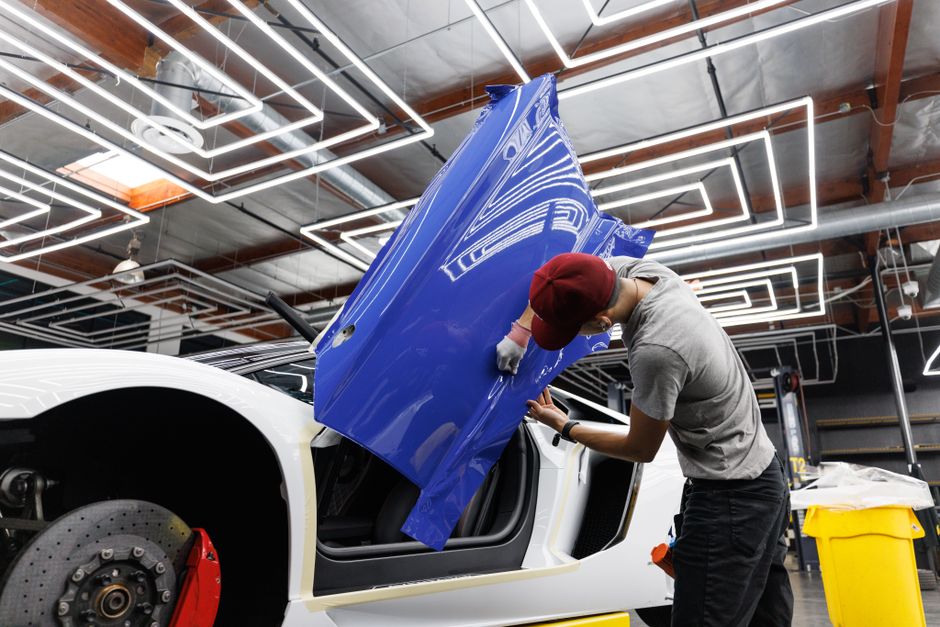
The car wrapping process typically begins with a thorough cleaning of the vehicle to ensure that the vinyl adheres properly. Next, professionals measure the car to create a template for the wrap. Once the vinyl is cut to size, it is carefully applied to the vehicle’s surface, ensuring there are no bubbles or wrinkles. This requires considerable skill and experience, which is why hiring a professional car wrap service is recommended for the best results.
After the application, the edges of the wrap are sealed, and the vehicle is inspected for quality assurance. The entire process can take anywhere from a few hours to a couple of days, depending on the complexity of the design and the size of the vehicle.
Considerations Before Wrapping Your Car
While car wrapping offers many benefits, there are some considerations to keep in mind. Firstly, the quality of the vinyl used plays a crucial role in the final outcome. Higher-quality materials may come at a premium but will offer better durability and appearance. Additionally, professional installation is vital; improper application can lead to issues such as peeling or bubbling.
Moreover, potential buyers should check local regulations regarding vehicle wraps, as some areas have specific rules about advertising on personal vehicles. It is also essential to consider the resale value; while wraps can protect the paint, they may also affect how potential buyers view the vehicle.
Conclusion
Car wrap services provide a versatile and cost-effective way to customize and protect vehicles. From personal expression to effective branding for businesses, the advantages of wrapping are numerous. By understanding the process, benefits, and considerations involved, car owners can make informed decisions about whether a wrap is the right choice for them. With the right approach and a reputable service provider, transforming a vehicle can be both an exciting and rewarding experience.
About the Author