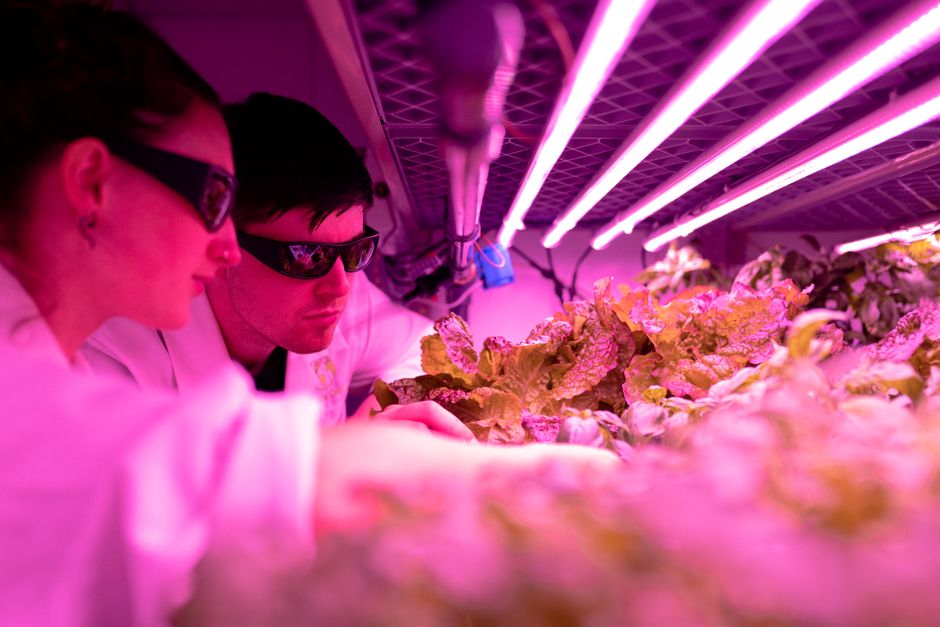
As the global population continues to rise, the demand for sustainable and efficient agricultural practices has become more pressing than ever. Traditional farming methods face numerous challenges, including land scarcity, climate change, and the need for increased food production. In response to these challenges, vertical farming technology has emerged as a revolutionary solution that promises to transform the way we grow food.
Understanding Vertical Farming Technology
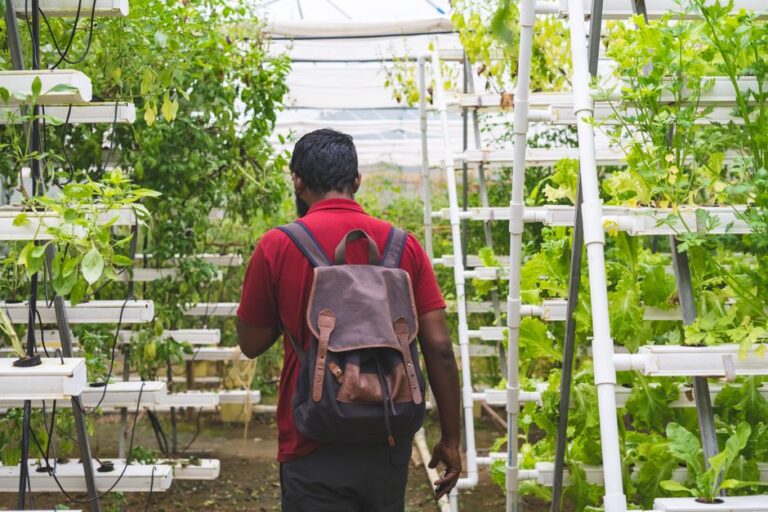
Vertical farming refers to the practice of growing crops in vertically stacked layers or on multi-tiered systems, often incorporating controlled-environment agriculture (CEA) techniques. This innovative approach allows for the cultivation of a variety of crops in urban settings, utilizing minimal land while maximizing output. The technology integrates advanced systems such as hydroponics, aeroponics, and aquaponics, which enable plants to grow without soil.
This method not only conserves space but also significantly reduces water usage compared to traditional farming. According to the National Aeronautics and Space Administration (NASA), vertical farms can use up to 90% less water than conventional agriculture. Moreover, by controlling the environment, farmers can optimize growing conditions, leading to faster growth cycles and higher yields.
Benefits of Vertical Farming
The advantages of vertical farming extend beyond mere space and water conservation. One of the most significant benefits is the potential to grow food closer to urban centers, thus reducing transportation costs and carbon emissions associated with food delivery. This localization of food production also contributes to fresher produce for city dwellers, enhancing food security.
Additionally, vertical farming can play a critical role in reducing the environmental impact of agriculture. By utilizing renewable energy sources, such as solar panels, and implementing energy-efficient technologies, these farms can operate sustainably. For instance, indoor farms equipped with LED lighting can reduce energy consumption by up to 50% compared to traditional lighting systems.
Challenges Facing Vertical Farming
Despite its numerous advantages, vertical farming technology is not without its challenges. One major hurdle is the high initial investment required to set up these systems. The cost of infrastructure, technology, and ongoing operational expenses can be substantial, making it a barrier for many potential farmers.
Moreover, while vertical farms can produce a wide variety of crops, they are often limited to certain types of produce that thrive in controlled environments. Leafy greens, herbs, and small fruits are commonly grown, but the cultivation of larger crops, such as grains or root vegetables, is still a work in progress.
Case Studies of Successful Vertical Farms
Several pioneering companies have already begun to demonstrate the potential of vertical farming technology. For example, AeroFarms, based in Newark, New Jersey, utilizes a patented aeroponic system to grow leafy greens without soil. Their farm operates in a 70,000 square-foot facility and produces over 2 million pounds of greens annually while using 95% less water than traditional farming methods.
Another notable example is Bowery Farming, which has developed high-tech indoor farms that leverage artificial intelligence to optimize crop growth. Their facilities have been able to achieve up to 100 times the yield per square foot compared to conventional farms. These success stories highlight the viability and scalability of vertical farming as a solution to modern agricultural challenges.
The Future of Vertical Farming
As technology continues to advance, the future of vertical farming looks promising. Innovations in automation, data analytics, and biotechnology are likely to enhance efficiency and reduce costs further. Research is ongoing into the development of new crops that can thrive in vertical farming systems, which could expand the range of produce available to consumers.
Moreover, as urbanization increases, the integration of vertical farms into cityscapes may become a common sight, contributing to a more sustainable urban environment. The potential for vertical farming to play a role in addressing food security and reducing the environmental impact of agriculture cannot be overstated.
In conclusion, vertical farming technology represents a groundbreaking approach to agriculture that holds the potential to reshape food production as we know it. With its numerous benefits and ongoing innovations, it stands as a beacon of hope in the quest for sustainable food systems. For those interested in exploring more about the intricacies of vertical farming technology, numerous resources are available to provide deeper insights.
About the Author