
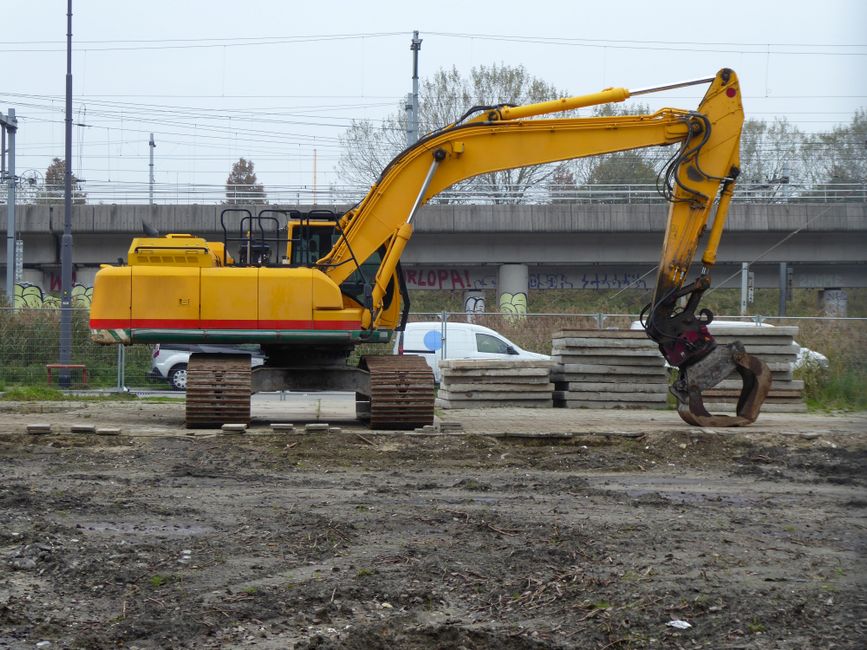
Demolition projects are an essential part of construction and renovation, but they often come with a unique set of challenges. A demolition contractor plays a critical role in ensuring these projects are executed safely and efficiently. This article explores the responsibilities, techniques, and considerations involved in hiring a demolition contractor, providing valuable insights for property developers and homeowners alike.
What Does a Demolition Contractor Do?
A demolition contractor is responsible for the careful dismantling or destruction of buildings and structures. This process can involve various techniques, depending on the type of building and its location. Contractors must assess the site, develop a plan, and execute it while ensuring minimal disruption to the surrounding area.
In addition to physical demolition, these contractors must also handle waste management and site cleanup. They are tasked with disposing of materials in an environmentally friendly manner, which is becoming increasingly important in today’s construction landscape.
Furthermore, a demolition contractor must be knowledgeable about local regulations and safety standards, ensuring compliance throughout the project. This includes obtaining necessary permits and performing risk assessments to mitigate potential hazards.
Types of Demolition Techniques
Demolition contractors utilize various techniques depending on the project requirements. The most common methods include:
- Mechanical Demolition: This method uses heavy machinery, such as excavators and bulldozers, to dismantle structures. It is typically employed for large buildings and is known for its speed.
- Implosion: This technique involves using explosives to bring down a structure in a controlled manner. It requires precise planning and execution, making it suitable for tall buildings in urban areas.
- Deconstruction: Unlike traditional demolition, deconstruction focuses on salvaging materials for reuse. This method is environmentally friendly and can reduce waste significantly.
Each technique has its advantages and disadvantages, and a skilled demolition contractor will be able to recommend the most suitable option based on the project’s specifics.
Choosing the Right Demolition Contractor
When selecting a demolition contractor, several factors should be considered to ensure a successful project:
- Experience: Look for contractors with a proven track record in handling similar projects. Their experience can significantly impact the project’s outcome.
- Licensing and Insurance: Ensure the contractor has the necessary licenses and insurance coverage. This protects you from liability in case of accidents or damages during the demolition process.
- References and Reviews: Check for client testimonials and reviews to gauge the contractor’s reputation. Positive feedback from previous clients can provide assurance of their reliability.
Additionally, it is advisable to obtain multiple quotes before making a decision. This not only helps in comparing prices but also provides insights into the contractor’s approach and professionalism.
Safety Considerations in Demolition
Safety is paramount in any demolition project. A demolition contractor must prioritize the well-being of workers and the public. This includes:
- Conducting Site Assessments: Before any work begins, a thorough assessment of the site is crucial to identify potential hazards, such as asbestos or structural weaknesses.
- Implementing Safety Protocols: Contractors should establish and enforce safety protocols, including the use of personal protective equipment (PPE) and safety training for all workers.
- Emergency Preparedness: An effective emergency response plan should be in place to address any incidents that may arise during the demolition process.
By adhering to strict safety guidelines, demolition contractors can minimize risks and ensure a safe working environment.
The Environmental Impact of Demolition
Demolition projects can have significant environmental impacts, which is why many contractors are now adopting sustainable practices. A responsible demolition contractor will focus on:
- Recycling Materials: Salvaging materials for reuse not only reduces waste but also conserves natural resources. Many contractors now have partnerships with recycling facilities to facilitate this process.
- Minimizing Dust and Noise: Implementing measures to control dust and noise can help minimize the disruption to surrounding communities, making the process more environmentally friendly.
- Using Eco-Friendly Techniques: Some contractors are exploring innovative techniques, such as water misting to suppress dust or using electric machinery to reduce emissions.
By prioritizing sustainability, demolition contractors can play a vital role in reducing the environmental footprint of construction projects.
Conclusion
Hiring a skilled demolition contractor is essential for the success of any demolition project. From ensuring safety to employing the right techniques, these professionals bring invaluable expertise to the table. By understanding the role and responsibilities of a demolition contractor, property owners can make informed decisions that lead to successful and environmentally responsible outcomes. For those looking for reliable services, working with a qualified demolition contractor can ensure a smooth and efficient demolition process.
About the Author