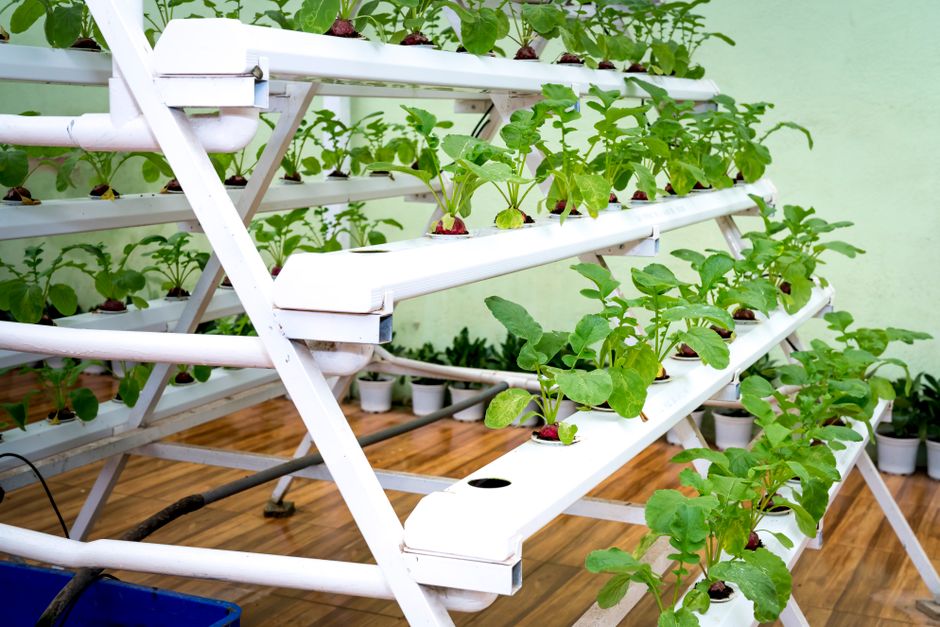
Aquaponics is an innovative method of sustainable agriculture that combines aquaculture (raising fish) and hydroponics (growing plants in water) in a symbiotic environment. As environmental concerns and the search for sustainable food sources grow, aquaponics kits have gained popularity among hobbyists and serious gardeners alike. This article delves into the various aspects of aquaponics kits, including their benefits, setup requirements, and tips for success.
Understanding Aquaponics Systems
Aquaponics systems create a natural ecosystem where fish and plants support each other. Fish produce waste, which is rich in nutrients. This waste is converted into nitrates by beneficial bacteria, making it a perfect fertilizer for plants. In return, the plants filter the water, which is then recirculated back to the fish tank. This closed-loop system not only maximizes resource efficiency but also minimizes the use of chemicals and pesticides.
The simplicity of aquaponics systems can vary greatly depending on the size and complexity. For beginners, aquaponics kit options are available that include everything needed to get started, from fish tanks to grow beds and pumps. These kits provide a streamlined approach to learning about aquaponics without the need for extensive prior knowledge.
The Benefits of Using Aquaponics Kits
One of the main advantages of aquaponics kits is their sustainability. They require significantly less water than traditional farming methods, making them ideal for regions facing water scarcity. According to studies, aquaponics can use up to 90% less water than conventional agriculture.
Additionally, aquaponics allows for year-round gardening. By setting up a system indoors or in a greenhouse, gardeners can grow fresh produce regardless of the season. This not only enhances food security but also reduces the carbon footprint associated with transporting food from farms to consumers.
Choosing the Right Aquaponics Kit
When selecting an aquaponics kit, it’s essential to consider the scale of your operation and the types of fish and plants you wish to cultivate. Kits range from small countertop models suitable for herbs and small fish to larger systems capable of supporting a variety of vegetables and fish species.
It’s also important to research the components included in the kit. A good kit should have a reliable pump, grow media, and an efficient filtration system. Some kits even come with educational resources, making it easier for novices to get started.
Maintenance and Care for Aquaponics Systems
While aquaponics systems are designed to be low-maintenance, they still require regular monitoring. Parameters such as pH levels, water temperature, and nutrient concentration should be checked regularly to ensure a healthy environment for both fish and plants.
Feeding the fish is another critical aspect of maintenance. The type and amount of food will depend on the fish species and the size of the system. Keeping an eye on fish health and behavior can also provide insights into the overall system performance.
Success Stories from Aquaponics Enthusiasts
Many individuals and communities have successfully implemented aquaponics systems, showcasing their potential for sustainable living. For instance, schools have adopted aquaponics to teach students about biology and environmental science while providing fresh produce for their cafeteria.
Urban gardeners have transformed small spaces into productive systems, allowing them to grow their own food while reducing reliance on store-bought vegetables. The versatility and scalability of aquaponics make it an attractive option for various settings, from backyards to community gardens.
Conclusion
Aquaponics kits present an exciting opportunity for those interested in sustainable gardening and food production. By combining aquaculture and hydroponics, these systems create a harmonious environment that benefits both fish and plants. With numerous benefits including water conservation, year-round growth, and educational opportunities, aquaponics is poised to play a vital role in the future of agriculture. Whether you’re a beginner or an experienced gardener, investing in an aquaponics kit can be a rewarding venture that contributes to a more sustainable planet.
About the Author