In today’s industrial landscape, metal fabrication shops play a crucial role in various sectors, from construction to automotive. These facilities specialize in the transformation of raw metal into intricate parts and structures, catering to a wide array of industries. Understanding their operations, capabilities, and innovations is essential for businesses looking to leverage these services effectively.
What is Metal Fabrication?
Metal fabrication refers to the process of building metal structures by cutting, bending, and assembling. It involves a range of processes including welding, machining, and finishing. Metal fabrication shops are equipped with specialized tools and skilled labor to produce items tailored to specific client needs. The products can range from simple brackets to complex assemblies found in heavy machinery.
The significance of metal fabrication cannot be overstated. For example, in the construction industry, fabricated metal components are vital for constructing steel frames, roofs, and other structural elements. According to industry statistics, the global metal fabrication market is expected to reach $20 billion by 2025, reflecting the growing demand for these services.
Key Processes in Metal Fabrication
Metal fabrication encompasses several key processes that are vital to the creation of high-quality metal products. These include:
- Cutting: This is the initial step where raw metal sheets or bars are cut into desired shapes using various methods such as laser cutting, plasma cutting, or water jet cutting.
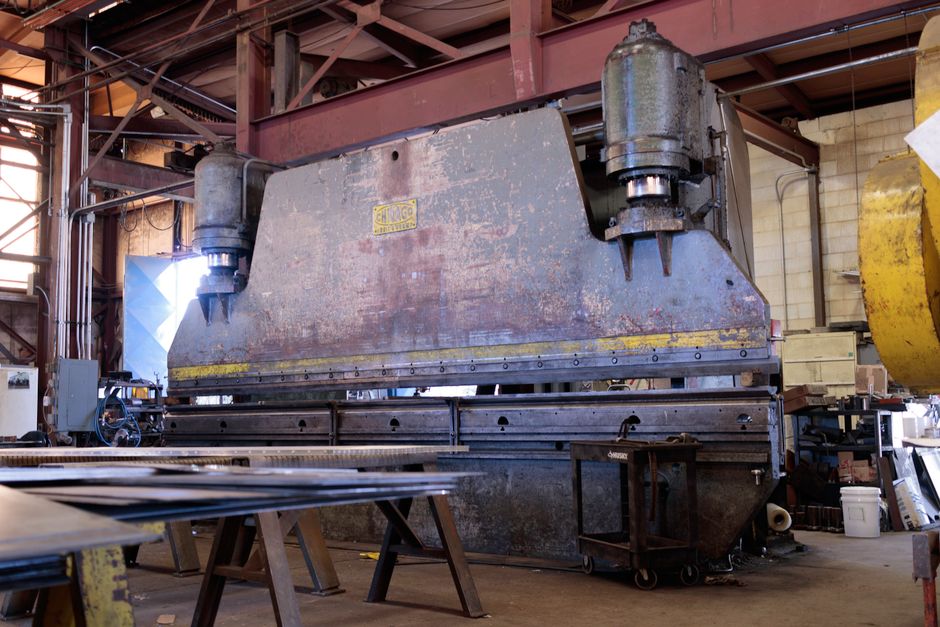
- Bending: After cutting, metal pieces may need to be bent into specific angles or shapes. This is typically done using press brakes or other bending machines.
- Welding: The process of joining two or more metal pieces together through heating. Welding is a critical part of metal fabrication and ensures the structural integrity of the final product.
Each of these processes requires precision and expertise, making skilled labor essential in metal fabrication shops. Moreover, advancements in technology, such as CNC (computer numerical control) machines, have significantly improved the accuracy and efficiency of these processes.
Advantages of Using Metal Fabrication Shops
Engaging a metal fabrication shop brings numerous advantages to businesses:
- Customization: Metal fabrication shops can create bespoke products tailored to specific client requirements, ensuring that every piece fits perfectly into its intended application.
- Quality Assurance: Reputable shops employ rigorous quality control measures to ensure that each product meets industry standards, reducing the risk of defects.
- Cost Efficiency: Outsourcing fabrication needs can often be more cost-effective than in-house production, allowing businesses to save on labor and equipment expenses.
For instance, a local manufacturer might find it more efficient to partner with a metal fabrication shop rather than investing in expensive machinery and training for their staff.
Future Trends in Metal Fabrication
The metal fabrication industry is evolving rapidly, with several trends shaping its future:
- Automation: The integration of robotics and automated systems is increasing efficiency and reducing labor costs. Automated welding and cutting machines can operate continuously, improving production rates.
- Sustainability: As industries shift towards sustainable practices, metal fabrication shops are also adapting. This includes using recycled materials and reducing waste during the fabrication process.
- Digital Fabrication: The rise of digital technologies, such as 3D printing, is revolutionizing metal fabrication. This allows for rapid prototyping and the creation of complex geometries that were previously impossible with traditional methods.
These trends indicate a promising future for the metal fabrication industry, as shops continue to innovate and adapt to meet the changing demands of various sectors.
Conclusion
Metal fabrication shops are integral to the manufacturing landscape, providing essential services that drive innovation and production across multiple industries. By understanding the processes, advantages, and future trends in metal fabrication, businesses can make informed decisions about how to best utilize these services. As technology continues to advance, the capabilities of metal fabrication shops will only expand, opening new avenues for creativity and efficiency in manufacturing.
About the Author