
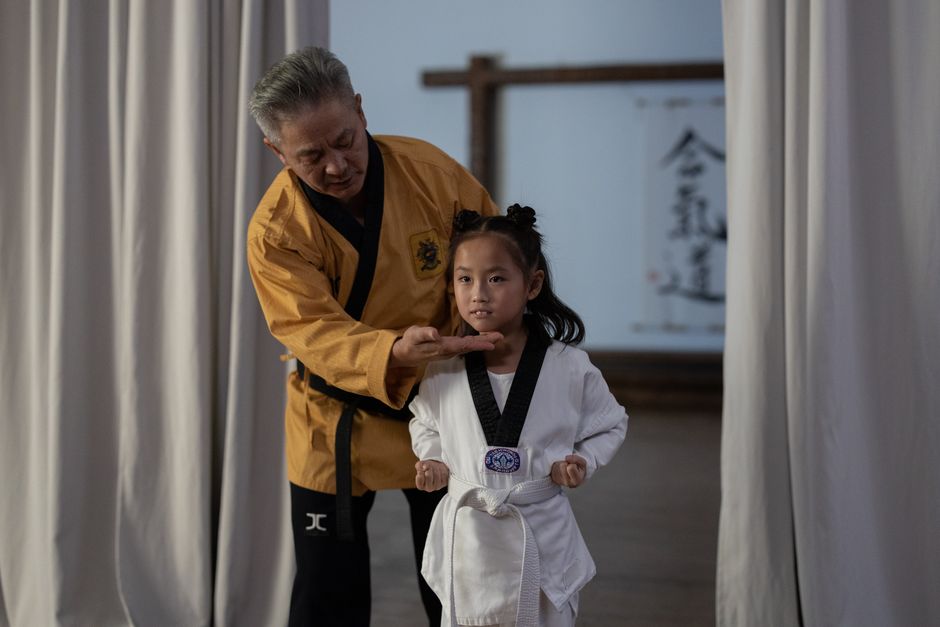
Choosing the right martial arts school can be a daunting task, especially with the myriad of options available today. Whether you are a beginner looking to learn self-defense or an experienced practitioner aiming to sharpen your skills, understanding the key factors in selecting a school is crucial. This article will outline the essential considerations, benefits of martial arts training, and tips for finding the perfect fit for your needs.
Understanding Different Martial Arts Styles
Before enrolling in a martial arts school, it is important to familiarize yourself with the various styles available. From traditional disciplines like Karate and Taekwondo to more modern forms such as Brazilian Jiu-Jitsu and Muay Thai, each style offers unique benefits and challenges. For example, Karate focuses on striking techniques, while Brazilian Jiu-Jitsu emphasizes ground fighting and submissions.
Additionally, some schools specialize in mixed martial arts (MMA), which combines elements from various styles. Understanding your personal goals—whether self-defense, fitness, or competitive sparring—can help narrow down your choices. Researching the history and philosophy behind each martial art can also provide insight into what resonates with you.
When assessing schools, consider the variety of classes they offer. A good school should provide options for different skill levels, age groups, and specific interests. This ensures that you can continue your training journey in a supportive and engaging environment.
Evaluating Instructors and Their Qualifications
The quality of instruction is one of the most critical factors in selecting a martial arts school. Instructors should possess not only technical expertise but also the ability to teach effectively. Look for schools with experienced instructors who hold recognized certifications and have a strong background in their respective martial arts.
It can be beneficial to observe a class before committing. Pay attention to the instructor’s teaching style, how they engage with students, and their ability to provide constructive feedback. Additionally, a good instructor should prioritize safety and ensure that all students understand the importance of proper techniques.
Building a rapport with your instructor can significantly enhance your training experience. A supportive and encouraging environment fosters growth and confidence, making it easier for you to progress in your martial arts journey.
Assessing the School Environment and Culture
The atmosphere of a martial arts school plays a significant role in your overall experience. A welcoming, respectful, and positive environment can make a huge difference in your motivation and enjoyment. When visiting potential schools, take note of how instructors and students interact. A culture of respect and camaraderie is essential for fostering personal growth and teamwork.
Moreover, consider the school’s facilities. Are they clean, well-maintained, and equipped with the necessary training gear? A school that invests in its facilities demonstrates its commitment to providing a quality training experience.
Some schools may also host events, tournaments, or community outreach programs, which can provide additional opportunities for engagement and learning. Participating in these activities can enhance your skills and build connections within the martial arts community.
Understanding Costs and Commitments
Financial considerations are an important aspect of choosing a martial arts school. Tuition fees can vary widely, influenced by factors such as location, facilities, and the level of instruction provided. Make sure to inquire about any hidden fees, such as uniform costs or testing fees for belt promotions.
Many schools offer trial classes or introductory programs, which can be a great way to experience the training environment before making a long-term commitment. Be sure to clarify the terms of any contracts you sign, including cancellation policies and class attendance requirements.
In addition to financial commitments, consider the time commitment required for training. Regular attendance is essential for skill development, so choose a school with a schedule that aligns with your personal and professional life. Flexibility in class times can be a significant advantage for maintaining consistency in your training.
Long-Term Goals and Progression
Finally, think about your long-term goals in martial arts. Are you looking to compete, or do you want to focus on personal development and fitness? Understanding your aspirations will guide you in selecting a school that aligns with your objectives.
Many martial arts schools provide a structured progression system, allowing students to advance through different belt ranks. This can serve as a motivating factor for many practitioners. Inquire about the school’s promotion policies and how they support students in reaching their goals.
As you progress, the school should offer advanced classes, sparring opportunities, and specialized training to help you continue to grow. A martial arts school that invests in the development of its students will provide the tools needed to achieve your personal best.
Conclusion
Choosing the right martial arts school is a significant decision that can impact your training journey for years to come. By considering the various styles, evaluating instructors, assessing the school environment, understanding costs, and identifying your long-term goals, you can make an informed choice that aligns with your needs. Whether you aspire to master self-defense techniques or simply stay fit, the right school will provide the foundation for your success. If you’re ready to begin your martial arts journey, explore options for a martial arts school that resonates with you and start your path to personal growth today.
About the Author