The world faces a growing plastic waste crisis that threatens the environment and human health. As society becomes more aware of the detrimental effects of plastic pollution, the role of plastic recycling companies has never been more crucial. These companies not only help manage waste but also contribute to a circular economy by transforming used plastics into valuable resources. Understanding how these companies operate and their impact on sustainability can empower consumers and businesses alike to make more eco-friendly choices.
Understanding Plastic Recycling
Plastic recycling involves the process of collecting, sorting, and processing plastic materials to create new products. This process helps reduce the amount of plastic waste that ends up in landfills and oceans. According to the Environmental Protection Agency (EPA), only about 9% of plastic waste in the United States is recycled, highlighting the need for improved recycling systems and greater public awareness. Plastic recycling companies play a pivotal role in this ecosystem by providing the necessary infrastructure and technology to facilitate effective recycling.
The Process of Plastic Recycling
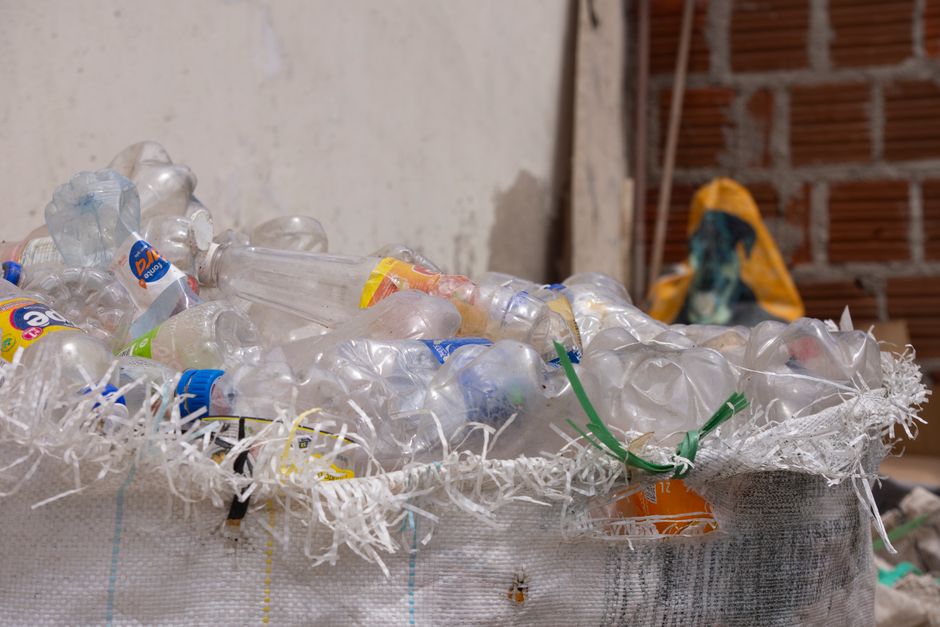
The recycling process typically begins with the collection of plastic waste, which can come from various sources, including households, businesses, and industrial operations. Once collected, materials are sorted by type and color, as different plastics have different properties and recycling requirements. After sorting, the plastics are cleaned and processed into pellets or flakes, which can then be used to manufacture new products.
For instance, a plastic recycling company might accept PET (polyethylene terephthalate) bottles, which are commonly used for soft drinks. After processing, these bottles can be transformed into new containers, clothing fibers, or even construction materials. This not only conserves resources but also reduces greenhouse gas emissions associated with producing new plastic products from virgin materials.
The Benefits of Plastic Recycling Companies
Plastic recycling companies offer numerous benefits that extend beyond waste management. Firstly, they contribute to environmental protection by reducing the amount of plastic waste that pollutes natural landscapes and waterways. By recycling plastics, these companies help decrease the demand for new plastic production, which often involves harmful extraction processes and significant energy consumption.
Additionally, engaging with a reliable plastic recycling company can support local economies. These companies often create jobs in collection, sorting, processing, and distribution, thus providing a source of income for community members. Furthermore, the recycling industry can stimulate innovation as companies develop new technologies and methods to improve recycling efficiency.
Challenges Faced by Plastic Recycling Companies
Despite their essential role, plastic recycling companies face several challenges that hinder their effectiveness. One significant issue is the contamination of recyclable materials. When non-recyclable items are mixed with plastics, it can complicate the sorting process and reduce the quality of the recycled material. Public education about proper recycling practices is crucial to mitigate this issue.
Another challenge is the fluctuating market for recycled materials. Prices for recycled plastics can vary significantly based on demand and the availability of virgin plastics. This unpredictability can make it difficult for recycling companies to operate sustainably. Efforts to create a stable market for recycled materials, such as implementing policies that encourage the use of recycled content in products, can help alleviate these challenges.
The Future of Plastic Recycling
The future of plastic recycling depends on innovation and collaboration among various stakeholders, including governments, businesses, and consumers. Advances in technology, such as chemical recycling processes that can break down plastics into their original monomers, offer promising solutions to enhance recycling capabilities. Additionally, increased regulatory support can create a more favorable environment for recycling initiatives.
As consumers become more environmentally conscious, there is also a growing demand for products made from recycled materials. This shift in consumer behavior can drive businesses to partner with plastic recycling companies, creating a more sustainable supply chain. Ultimately, the integration of recycling into everyday practices can significantly contribute to a circular economy where resources are reused and waste is minimized.
Conclusion
Plastic recycling companies are vital players in the fight against plastic pollution and the quest for sustainability. By understanding their processes, benefits, and challenges, we can better appreciate their role in creating a cleaner, greener future. Supporting these companies not only helps manage plastic waste but also promotes a circular economy that benefits the environment and society as a whole. As we move forward, it is essential to advocate for better recycling practices and support innovations that enhance the recycling industry.
About the Author