
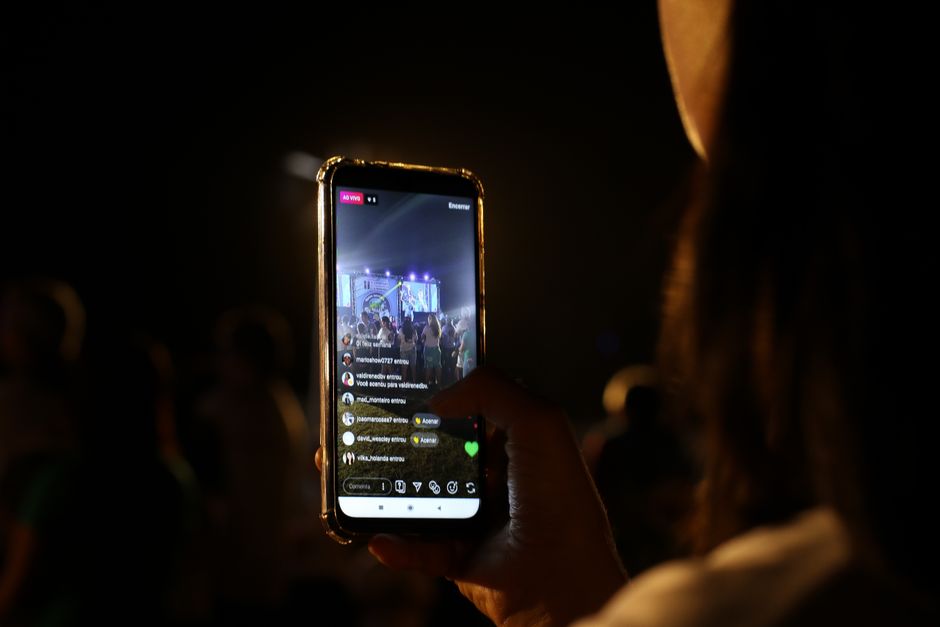
As live events continue to thrive in the digital age, the way we purchase concert tickets has significantly transformed. Gone are the days of waiting in long lines or calling box offices; now, fans can secure their spots with just a few clicks. This article explores the various aspects of concert ticketing platforms, their evolution, and how they have reshaped the live music experience for fans and artists alike.
The Rise of Digital Ticketing
In the early days of concert ticketing, physical tickets were the norm, and purchasing them often required customers to visit a local venue or a ticket office. However, with the advent of the internet, the landscape began to shift. Online ticket sales exploded in the late 1990s and early 2000s, providing a more convenient option for fans. Platforms like Ticketmaster led the charge, making it easier for music lovers to access tickets from the comfort of their homes.
According to a report by Statista, online ticket sales accounted for approximately 50% of the total ticketing market as of 2021. This statistic highlights the growing reliance on digital platforms for purchasing tickets. As technology advanced, mobile ticketing also emerged, allowing fans to buy and store tickets directly on their smartphones.
Key Features of Modern Ticketing Platforms
Today’s concert ticketing platforms offer a range of features designed to enhance the user experience. For instance, many platforms provide real-time availability and dynamic pricing, which adjusts ticket prices based on demand. This means that during peak times, prices may rise, while off-peak times might offer discounts.
Additionally, features such as interactive seating charts allow fans to select their preferred seats visually. This level of transparency and control has transformed the way users engage with ticketing platforms. Moreover, platforms increasingly integrate social media features, enabling fans to share events and coordinate with friends easily.
Challenges Faced by Ticketing Platforms
Despite the advancements, concert ticketing platforms face several challenges. One significant issue is the prevalence of scalping, where third-party sellers purchase tickets in bulk and resell them at inflated prices. This practice frustrates genuine fans and undermines the integrity of the ticketing process.
To combat this, some platforms have implemented measures such as CAPTCHA verification and personalized ticket purchasing limits. These strategies aim to ensure that tickets reach real fans rather than opportunistic resellers. Moreover, with the rise of blockchain technology, some platforms are exploring ways to use this technology to create secure and transparent ticket transactions.
The Future of Concert Ticketing
The future of concert ticketing looks promising, with innovations on the horizon. For example, the incorporation of artificial intelligence (AI) can help predict ticket demand and optimize pricing strategies. AI can analyze historical sales data and current market trends to deliver personalized recommendations to users.
Additionally, virtual reality (VR) and augmented reality (AR) experiences are beginning to play a role in ticketing. These technologies can offer fans a taste of what to expect from a concert, enhancing their excitement and willingness to purchase tickets. As the industry evolves, it will be crucial for platforms to adapt and meet the changing needs of concertgoers.
Choosing the Right Ticketing Platform
With numerous options available, selecting the right concert ticketing platform can be overwhelming. Factors to consider include user experience, fees, security measures, and customer support. It’s essential to choose a platform that not only provides a seamless purchasing process but also prioritizes the protection of personal and financial information.
Furthermore, reading reviews and seeking recommendations from fellow concertgoers can provide insight into which platforms offer the best service. For those looking for a reliable option, a well-regarded concert ticketing platform can significantly enhance the overall experience of attending live events.
Conclusion
As the concert ticketing landscape continues to evolve, it is evident that technology plays a pivotal role in shaping the future of live music experiences. From the rise of digital ticketing to the integration of AI and VR, fans can expect a more personalized and engaging ticket purchasing process. As we move forward, it will be exciting to see how ticketing platforms adapt and innovate to meet the ever-changing demands of music lovers around the world.
About the Author