
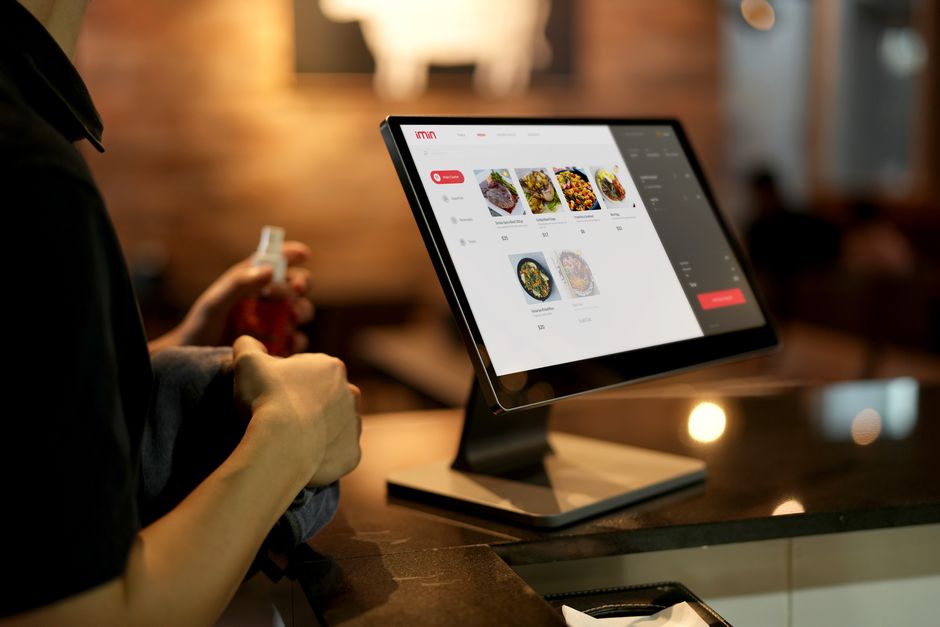
In an ever-evolving culinary landscape, the restaurant industry is undergoing a significant transformation driven by technology. Among the various innovations, restaurant POS systems stand out as crucial tools that enhance operational efficiency, improve customer experience, and provide valuable insights into business performance. This article explores the indispensable role of these systems in modern dining establishments.
Understanding Restaurant POS Systems
A restaurant POS (Point of Sale) system is more than just a cash register; it integrates various functionalities that streamline restaurant operations. It encompasses order taking, payment processing, inventory management, and sales reporting, among other features. With the capability to handle a multitude of tasks, a robust POS system can drastically reduce the time staff spend on administrative duties, allowing them to focus more on customer service.
For instance, many contemporary POS systems enable mobile order taking, which allows servers to take orders directly at the table using handheld devices. This not only speeds up the ordering process but also minimizes errors that may occur when orders are manually entered later. Consequently, customers enjoy a smoother dining experience, which can lead to higher satisfaction and repeat visits.
Enhancing Customer Experience
Customer experience is paramount in the restaurant business, and restaurant POS systems play a vital role in this aspect. With features like digital menus, customer loyalty programs, and personalized marketing, these systems empower restaurants to connect with their patrons in meaningful ways. For example, a POS system can track customer preferences and purchase history, enabling restaurants to tailor their offerings and promotions to individual tastes.
Furthermore, the integration of payment processing into the POS system allows for seamless transactions. Customers can pay via various methods, including credit cards, mobile wallets, and even cryptocurrencies, which enhances convenience and satisfaction. According to a survey, 70% of diners prefer restaurants that offer multiple payment options, underscoring the importance of a versatile POS system.
Streamlining Operations and Inventory Management
Operational efficiency is critical in the fast-paced restaurant environment, and restaurant POS systems contribute significantly to this goal. By automating inventory management, these systems can provide real-time updates on stock levels, alerting managers when items are running low. This feature helps prevent stockouts and ensures that popular dishes remain available to customers.
Additionally, data analytics capabilities within POS systems allow restaurant owners to analyze sales trends, identify peak hours, and make informed decisions about staffing and menu items. For instance, if a certain dish consistently sells well on weekends, a restaurant can ensure adequate stock and staff availability during those times, optimizing both service and sales.
Cost Considerations and Return on Investment
While investing in a restaurant POS system can seem daunting, the potential return on investment (ROI) is substantial. The initial costs may vary based on the features and scale of the system, but the long-term savings and revenue generation opportunities are considerable. For example, by reducing human errors in order processing and improving table turnover rates, restaurants can significantly increase their overall profitability.
Moreover, many POS systems operate on a subscription basis, making them more accessible for small to mid-sized restaurants. This model allows establishments to adopt advanced technology without the burden of hefty upfront costs. As a result, even smaller businesses can leverage the benefits of a restaurant POS system to enhance their operations and customer experience.
Future Trends in Restaurant POS Systems
The future of restaurant POS systems looks promising, with emerging technologies set to reshape the landscape further. Innovations such as artificial intelligence (AI) and machine learning are beginning to play a role in predictive analytics, helping restaurants forecast demand and optimize menu offerings. Additionally, cloud-based solutions are becoming increasingly popular, allowing for remote access to sales data and management tools.
As the industry adapts to changing consumer preferences, the integration of social media and online ordering platforms with POS systems will become essential. This convergence will enable restaurants to reach a broader audience and streamline the customer journey from browsing to dining.
Conclusion
In conclusion, the adoption of restaurant POS systems is no longer a luxury but a necessity for establishments aiming to thrive in today’s competitive market. From enhancing customer experiences to streamlining operations and improving inventory management, the benefits are clear. As technology continues to evolve, embracing these systems will be crucial for restaurants looking to stay ahead of the curve and deliver exceptional service. For more information on how these systems can transform your business, consider exploring a reliable restaurant POS system.
About the Author