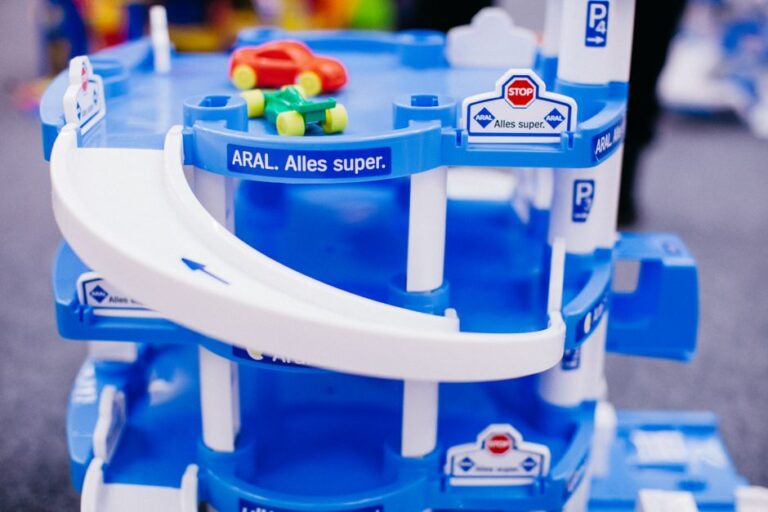

The toy industry has seen remarkable growth in recent years, driven by innovations in design, safety standards, and an increasing focus on educational value in children’s play. As parents become more discerning about the toys they purchase for their children, manufacturers are adapting to these changing demands. In this article, we will explore the trends, challenges, and opportunities within the children toy manufacturing sector.
Understanding the Market Dynamics
The global toy market was valued at approximately $90 billion in 2020 and is projected to grow significantly in the coming years. This growth is fueled by rising disposable incomes, urbanization, and increased awareness of the importance of play in child development. Notably, the demand for eco-friendly and sustainable toys is on the rise, as parents seek to make more responsible purchasing decisions.
Moreover, the impact of technology cannot be overstated. Interactive and smart toys that incorporate digital features are becoming increasingly popular, appealing to tech-savvy children. This shift has prompted traditional toy manufacturers to innovate and integrate technology into their products.
Key Players in the Industry
In the children toy manufacturing landscape, several companies stand out. Established brands like LEGO and Mattel have adapted their strategies to stay relevant, while startups are emerging with innovative products that cater to niche markets. The competition is fierce, and companies must differentiate themselves through unique designs, quality materials, and engaging marketing strategies.
For instance, some manufacturers focus on educational toys that promote STEM (Science, Technology, Engineering, and Mathematics) learning. These toys not only entertain but also contribute to children’s cognitive development, making them attractive to parents who prioritize education.
Challenges Faced by Manufacturers
Despite the promising outlook, children toy manufacturers face several challenges. Regulatory compliance is one of the most significant hurdles. Toy safety regulations vary by region, and manufacturers must ensure their products meet these standards to avoid costly recalls and legal issues. Moreover, the rising cost of raw materials and production can squeeze profit margins, particularly for smaller manufacturers.
Additionally, the shift towards online shopping has disrupted traditional retail channels. Manufacturers must adapt their distribution strategies to include e-commerce platforms, which requires investment in digital marketing and logistics.
Future Trends in Toy Manufacturing
The future of children toy manufacturing is set to be shaped by several trends. Sustainability is likely to be a central theme, with manufacturers increasingly using biodegradable and recyclable materials. This shift not only responds to consumer demand but also aligns with global efforts to reduce plastic waste.
Moreover, the integration of technology will continue to influence product development. Toys that incorporate augmented reality (AR) or virtual reality (VR) are expected to gain traction, providing immersive experiences that engage children in new ways. Manufacturers that embrace these trends will likely find themselves at the forefront of the industry.
Conclusion: The Path Forward
As the children toy manufacturing industry evolves, companies must remain agile and responsive to market changes. By focusing on innovation, sustainability, and the educational value of their products, manufacturers can not only meet the demands of today’s consumers but also contribute positively to children’s development. Staying informed about industry trends and consumer preferences will be crucial for success in this dynamic market. For those looking to explore reliable options, consider visiting a reputable children toy manufacturer to discover a range of engaging and safe toys for children.
About the Author