Sheet metal fabrication is a process that involves cutting, bending, and assembling flat sheets of metal into various shapes and components. This technique is widely used in various industries, ranging from automotive to aerospace, due to its versatility and efficiency. Understanding the nuances of this process can significantly enhance both the quality and durability of the final product.
What is Sheet Metal Fabrication?
At its core, sheet metal fabrication encompasses a series of processes that manipulate metal sheets to create desired shapes. These processes can include cutting, punching, welding, and finishing. Each step plays a crucial role in ensuring that the metal components meet specific design requirements and standards.
Typically, sheet metal is made from materials such as aluminum, steel, brass, and copper, each offering unique properties that suit different applications. For example, aluminum is lightweight and resistant to corrosion, making it ideal for aerospace applications, while steel is known for its strength and durability, often used in construction and manufacturing.
The Fabrication Process: Step by Step
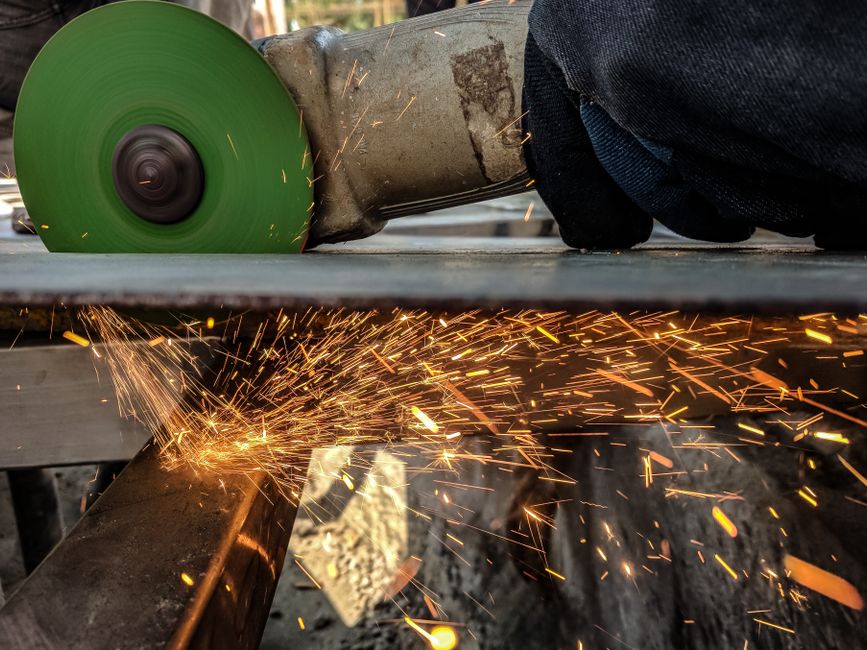
The fabrication of sheet metal involves several key steps that must be executed with precision. The first step is cutting, where large sheets are cut down into smaller pieces using tools like lasers, shears, or plasma cutters. This step is critical as it determines the size and dimensions of the final product.
Once the sheets are cut, the next step is bending. This is done using press brakes or other bending machines, which apply force to the metal to create specified angles and shapes. Accurate bending ensures that the pieces fit together seamlessly when assembled.
The assembly process may involve welding, fastening, or riveting the bent parts together. Each method has its advantages: welding creates a strong bond, while riveting allows for disassembly if needed.
Design Considerations in Sheet Metal Fabrication
Design plays a pivotal role in the success of sheet metal fabrication. Engineers must consider factors such as material properties, thickness, and the intended use of the final product when designing components. Additionally, the design must facilitate the fabrication process; features like bends and cutouts should be designed to minimize waste and maximize efficiency.
Moreover, advancements in computer-aided design (CAD) software have revolutionized the way designs are created and tested. CAD allows for precise modeling and simulation, helping to identify potential issues before actual fabrication begins.
Quality Control in Fabrication
Ensuring the quality of fabricated sheet metal components is essential for meeting industry standards and client expectations. Quality control processes may include inspections at various stages of fabrication, including the raw material inspection, in-process inspections, and final product testing.
Techniques such as non-destructive testing (NDT) can be employed to detect flaws without damaging the components. Regular audits and adherence to international standards, such as ISO 9001, are also vital in maintaining quality.
The Future of Sheet Metal Fabrication
The future of sheet metal fabrication is heavily influenced by technological advancements. Automation and robotics are increasingly being integrated into manufacturing processes, resulting in higher efficiency and reduced labor costs. Additionally, the adoption of smart manufacturing technologies, such as the Internet of Things (IoT), allows for real-time monitoring and optimization of production processes.
As industries continue to evolve, the demand for customized and complex designs will likely grow. Therefore, sheet metal fabrication will need to adapt, incorporating flexible manufacturing systems that can quickly adjust to changing requirements.
Conclusion
Sheet metal fabrication is a vital aspect of modern manufacturing, offering versatility, efficiency, and the ability to create complex structures. By understanding the various processes involved, from cutting to assembly, as well as the importance of design and quality control, businesses can improve their production outcomes. As technology continues to advance, the future of sheet metal fabrication looks promising, paving the way for innovation and enhanced capabilities in diverse industries.
About the Author