In recent years, the demand for personalized and unique clothing items has surged dramatically. Consumers are increasingly seeking ways to express their individuality through fashion, leading to a significant rise in custom clothing manufacturers. These manufacturers provide tailored solutions that cater to the specific needs and preferences of their clients, making them a crucial player in the modern fashion landscape.
Understanding Custom Clothing Manufacturing
Custom clothing manufacturing refers to the process of creating garments tailored specifically to an individual’s specifications. This can include anything from choosing the fabric, style, and cut to incorporating personal designs or logos. This level of personalization not only enhances the customer’s experience but also ensures that the final product is unique.
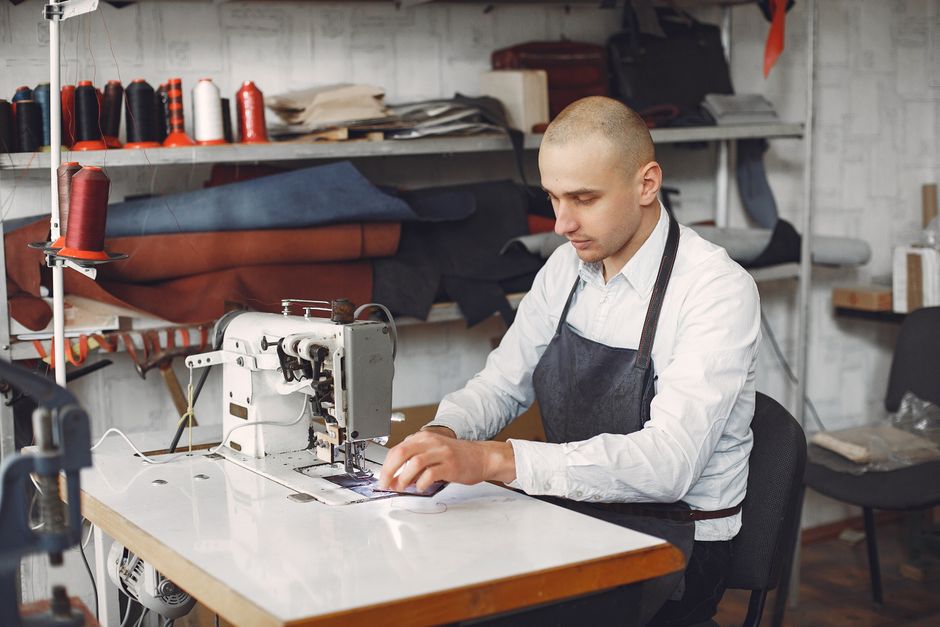
The custom clothing manufacturing process typically begins with a consultation, where the manufacturer discusses the client’s vision and requirements. This is followed by the selection of materials, design elements, and any additional features. Once the design is finalized, samples may be produced for approval before moving into full production.
One of the major advantages of custom clothing manufacturing is the ability to cater to a wide range of body types and sizes. Unlike mass-produced clothing that often follows standard sizing, custom garments can be tailored to fit the individual perfectly, resulting in greater comfort and satisfaction.
Benefits of Custom Clothing
The benefits of opting for custom clothing extend beyond just fit and comfort. One significant advantage is the quality of materials used. Custom clothing manufacturers often source high-quality fabrics and materials, ensuring that the final product not only looks good but is also durable.
Moreover, custom clothing allows individuals to express their personal style in ways that off-the-rack clothing cannot. Whether it’s a unique print, an unconventional cut, or a specific color palette, custom garments provide a canvas for creativity and self-expression.
Additionally, custom clothing can be a more sustainable option. Many manufacturers focus on ethical production practices and use environmentally friendly materials, appealing to the growing demographic of eco-conscious consumers. By choosing custom clothing, individuals can support sustainable practices and reduce clothing waste.
Trends in Custom Clothing Manufacturing
As the fashion industry evolves, so do the trends within the custom clothing manufacturing sector. One notable trend is the incorporation of technology, such as 3D printing and virtual fitting rooms. These advancements allow for quicker production times, more precise fittings, and a more interactive experience for the customer.
Furthermore, social media has played a pivotal role in popularizing custom clothing. Platforms like Instagram and Pinterest have made it easier for consumers to discover and connect with custom clothing manufacturers. This visibility has led to a surge in small businesses and independent designers who offer unique, made-to-order garments.
Data from the fashion industry indicates that the custom clothing market is expected to grow substantially over the next few years. According to a recent report, the global custom clothing market is projected to reach $10 billion by 2025, highlighting the increasing consumer interest in personalized fashion.
Choosing the Right Custom Clothing Manufacturer
When selecting a custom clothing manufacturer, it’s essential to consider several factors. First, research their portfolio to assess the quality and style of their previous work. A manufacturer with a diverse range of designs and satisfied clients is more likely to meet your expectations.
Communication is another critical aspect. A good manufacturer should be open to discussing ideas and providing feedback throughout the design process. This collaboration is vital to ensure the final product aligns with your vision.
Finally, consider the manufacturer’s production capabilities. Ensure they can handle your order size and meet deadlines without compromising on quality. For instance, some manufacturers specialize in small batches, while others can scale up to meet larger demands.
For those looking to partner with a reliable custom clothing manufacturer, it’s essential to evaluate their experience, customer service, and overall reputation in the industry.
Conclusion
The landscape of fashion is changing, and custom clothing manufacturers are at the forefront of this evolution. By providing personalized solutions that cater to individual preferences, they are not only meeting the growing demand for unique garments but also promoting sustainability and ethical production practices. As technology continues to advance and consumer interest in personalized fashion grows, the future of custom clothing manufacturing looks bright. For anyone considering a unique garment, exploring the world of custom clothing can lead to a rewarding and fulfilling fashion experience.
About the Author