The luxury fashion market has been undergoing a significant transformation in recent years, with the emergence of luxury brand resellers playing a pivotal role in this evolution. As consumers become more environmentally conscious and seek unique fashion items, the demand for pre-owned luxury goods has soared. This article delves into the world of luxury brand reselling, exploring its impact on the fashion industry, the motivations behind consumer purchases, and practical tips for navigating this vibrant market.
Understanding Luxury Brand Reselling
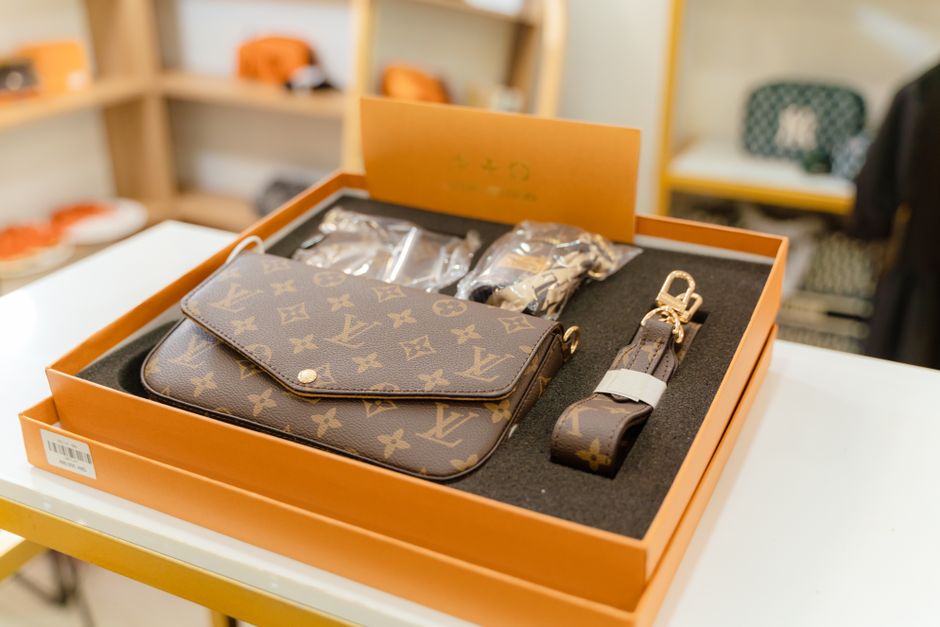
Luxury brand reselling refers to the practice of buying and selling pre-owned luxury items, including clothing, handbags, shoes, and accessories. This market has expanded rapidly, fueled by a combination of shifting consumer preferences and the rise of online platforms that facilitate transactions. According to a report by Bain & Company, the secondhand market is expected to grow to $64 billion by 2024, indicating a robust demand for luxury items that are both affordable and sustainable.
One of the key factors driving this growth is the increasing awareness of sustainability among consumers. Many shoppers are now more inclined to purchase pre-owned items as a way to reduce waste and promote eco-friendly practices. This shift in mindset has made luxury reselling not only a viable business model but also a socially responsible choice for consumers.
The Role of Online Platforms
Online platforms have revolutionized the luxury reselling landscape by providing a convenient and accessible marketplace for consumers. Websites and apps such as The RealReal, Poshmark, and Vestiaire Collective have gained immense popularity, allowing individuals to buy and sell luxury items with ease. These platforms often verify the authenticity of items, which reassures buyers and builds trust in the market.
For instance, The RealReal has reported that its sales have skyrocketed, with a notable increase in luxury handbags and apparel being resold. The platform’s authentication process plays a crucial role in ensuring that customers receive genuine products, thereby enhancing the overall shopping experience.
Consumer Motivations Behind Reselling
Consumers are drawn to luxury brand reselling for various reasons. One primary motivation is the affordability of pre-owned items compared to their retail counterparts. Luxury brands often come with hefty price tags, making it challenging for many to indulge in high-end fashion. Reselling offers a more accessible option for those who wish to own luxury goods without breaking the bank.
Additionally, the allure of unique and rare items attracts fashion enthusiasts to the resale market. Many consumers appreciate the opportunity to find vintage pieces or limited-edition items that are no longer available in stores. This sense of exclusivity adds to the appeal of purchasing from luxury brand resellers.
Practical Tips for Navigating the Resale Market
For those interested in diving into the luxury brand resale market, there are several practical tips to keep in mind. First and foremost, research is essential. Understanding the value of luxury items and being aware of market trends can help buyers make informed decisions. Websites like luxury brand reseller provide valuable insights into pricing and authenticity.
Additionally, it’s wise to familiarize yourself with the return policies of online platforms. Some platforms offer buyer protection and the option to return items if they do not meet expectations. This safety net can enhance the shopping experience and reduce the risk of purchasing counterfeit goods.
The Future of Luxury Brand Reselling
The future of luxury brand reselling looks promising as consumer preferences continue to evolve. With a growing emphasis on sustainability and individuality, the resale market is likely to attract more shoppers seeking unique luxury items. Brands themselves are beginning to recognize this trend, with some even launching their resale programs to cater to the changing demands of consumers.
In conclusion, luxury brand reselling represents a significant shift in how consumers engage with fashion. As the market continues to expand, it is essential for both buyers and sellers to stay informed and navigate this dynamic landscape with confidence. Embracing the resale market not only allows individuals to enjoy luxury fashion but also contributes to a more sustainable future.
About the Author