
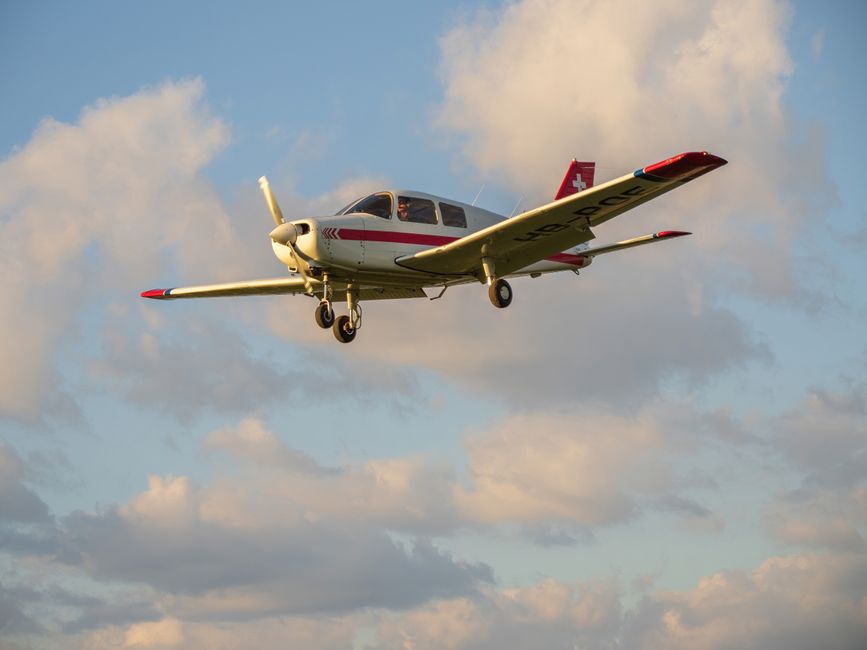
Aviation insurance plays a critical role in the aviation industry, protecting aircraft owners, operators, and passengers from various risks associated with flying. As air travel continues to grow globally, understanding the nuances of aviation insurance becomes essential for stakeholders at every level. This article delves into the intricacies of aviation insurance, providing insights into its types, coverage, and importance.
What is Aviation Insurance?
Aviation insurance is a specialized form of insurance designed to cover the risks associated with the operation of aircraft. Unlike standard insurance policies, aviation insurance encompasses a wide range of unique risks, including hull damage, liability for passenger injuries, and third-party property damage. This insurance is vital for commercial airlines, cargo operators, and private jets alike.
Typically, aviation insurance policies are tailored to meet the specific needs of the insured, taking into account factors such as the type of aircraft, its usage, and the geographical areas of operation. For instance, an air taxi service will require different coverage compared to a cargo airline, highlighting the need for customized insurance solutions.
Types of Aviation Insurance
There are several types of aviation insurance, each catering to different aspects of aviation operations:
1. Hull Insurance: This covers physical damage to the aircraft itself, whether from accidents, weather-related incidents, or other unforeseen events. Hull insurance can be comprehensive or limited, depending on the policy.
2. Liability Insurance: Liability insurance protects against claims made by passengers or third parties in the event of an accident. This can include bodily injury and property damage claims, making it a crucial component of any aviation insurance policy.
3. Passenger Liability Insurance: This specific type of liability insurance covers injuries to passengers, ensuring that they are compensated in the event of an accident.
4. Ground Risk Hull Insurance: This offers coverage for damage to the aircraft while it is on the ground, which is not covered by standard hull insurance.
By understanding these various types, aviation operators can better assess their insurance needs and ensure they are adequately protected.
The Importance of Aviation Insurance
The importance of aviation insurance cannot be overstated. The aviation industry is subject to numerous risks, including accidents, equipment failure, and adverse weather conditions. With the potential for significant financial losses, having robust insurance coverage is vital.
Aviation insurance not only protects the aircraft but also safeguards the financial interests of operators and owners. For example, in the event of an accident, an airline without sufficient insurance may face crippling financial liabilities, potentially leading to bankruptcy.
Additionally, aviation insurance can enhance operational credibility. Airlines and operators with comprehensive insurance coverage are often viewed more favorably by clients and regulatory bodies, increasing their competitiveness in the market.
Factors Influencing Aviation Insurance Premiums
Aviation insurance premiums can vary widely based on several factors, including:
1. Type of Aircraft: The make, model, and age of an aircraft significantly influence insurance costs. Newer and more advanced aircraft may attract higher premiums due to their value and associated risks.
2. Operational History: An operator’s safety record and claims history play a crucial role in determining premiums. Operators with a clean track record often benefit from lower insurance rates.
3. Usage of the Aircraft: The purpose for which the aircraft is used (commercial, private, cargo, etc.) affects the level of risk associated with the operation, thus influencing premiums.
4. Geographic Coverage: Operating in high-risk areas may lead to increased premiums due to the higher likelihood of accidents or incidents.
By understanding these factors, aviation operators can take proactive measures to manage their insurance costs effectively.
Conclusion
In conclusion, aviation insurance is a vital component of the aviation industry, providing essential protection against a wide array of risks. As air travel continues to evolve, stakeholders must stay informed about their insurance options and tailor their coverage to meet their specific needs. By investing in comprehensive aviation insurance, operators can safeguard their assets, enhance their credibility, and ultimately ensure the safety of their passengers and crew.
About the Author