
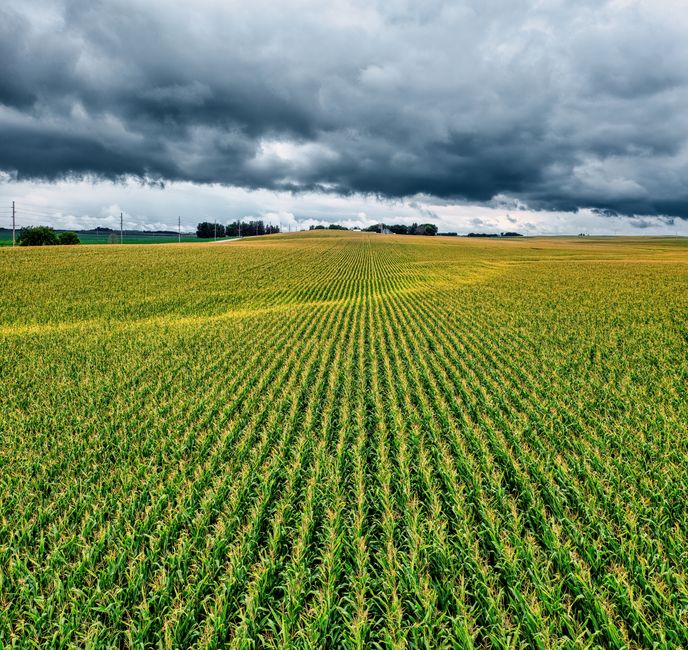
In an era where climate change and unpredictable weather patterns pose significant risks to agriculture, crop insurance has emerged as a vital tool for farmers. This insurance not only protects their investments but also supports food security and rural economies. This article delves into the intricacies of crop insurance, its importance, types, and how farmers can benefit from it.
What is Crop Insurance?
Crop insurance is a type of insurance designed to protect farmers against the loss of their crops due to various unforeseen events such as natural disasters, pests, and diseases. It serves as a safety net, allowing farmers to recover some of their lost income and continue their operations in the event of a crop failure. The insurance policies are typically offered by private companies, but many governments also provide subsidized options to encourage participation.
The core concept of crop insurance is relatively simple: farmers pay a premium to secure coverage for potential losses. In return, they receive compensation based on the level of loss they experience. This compensation can be crucial for farmers, especially those who rely heavily on a single crop for their livelihood.
Types of Crop Insurance
There are primarily two types of crop insurance: revenue insurance and yield insurance. Revenue insurance covers the loss of income resulting from low crop yields or low prices. It is designed to protect against declines in both yield and price, making it a comprehensive option for many farmers.
On the other hand, yield insurance focuses solely on the quantity of the crop produced. If a farmer’s yield falls below a certain threshold due to covered events, they receive compensation based on the insured amount. Each type has its advantages and is suited to different farming operations. Understanding these options is essential for farmers to select the right policy that fits their needs.
The Importance of Crop Insurance
Crop insurance plays a critical role in maintaining the stability of the agricultural sector. It not only provides financial security to farmers but also contributes to the overall economy. According to the U.S. Department of Agriculture, crop insurance payouts exceeded $7 billion in 2020, highlighting its importance in mitigating loss in the farming sector.
Moreover, crop insurance encourages farmers to invest in new technologies and practices. Knowing they have a safety net allows them to take calculated risks, such as experimenting with new crops or adopting innovative farming techniques. This, in turn, can lead to increased productivity and sustainability in agriculture.
Challenges Facing Crop Insurance
Despite its benefits, crop insurance is not without challenges. Many farmers, especially those with smaller operations, find the premiums costly. Additionally, understanding the complexities of insurance policies can be daunting. Some farmers may also lack access to adequate information, leading to underinsurance or not participating in crop insurance programs at all.
Furthermore, climate change is altering the landscape of agricultural risk, making it difficult for insurers to assess and price risk accurately. This has led to increased premiums and the potential for insurance companies to withdraw coverage from high-risk areas, leaving farmers vulnerable to losses.
How to Choose the Right Crop Insurance
Choosing the right crop insurance policy involves careful consideration of various factors. Farmers should assess their specific risks, the types of crops they grow, and their financial situation. Consulting with insurance agents who specialize in agricultural policies can provide valuable insights into the best options available.
Additionally, farmers should stay informed about government programs and subsidies that can make crop insurance more affordable. Many countries offer federal crop insurance programs that can significantly reduce costs, making it easier for farmers to secure the coverage they need. For example, in the United States, the Federal Crop Insurance program provides a safety net for farmers while promoting risk management practices.
Another critical factor is the timing of purchasing crop insurance. Farmers must be aware of deadlines for enrollment and the specific coverage options available for different crops. Early planning and research can ensure that farmers are adequately protected when the growing season begins.
Conclusion
In conclusion, crop insurance is an essential component of modern agriculture, providing farmers with the financial security they need to thrive amid uncertainties. With various types of policies available, it is crucial for farmers to understand their options and select the coverage that best suits their needs. By investing in crop insurance, farmers not only protect their livelihoods but also contribute to the stability of the agricultural sector as a whole. For more information, farmers can explore resources on crop insurance to help them navigate this important aspect of their business.
About the Author