
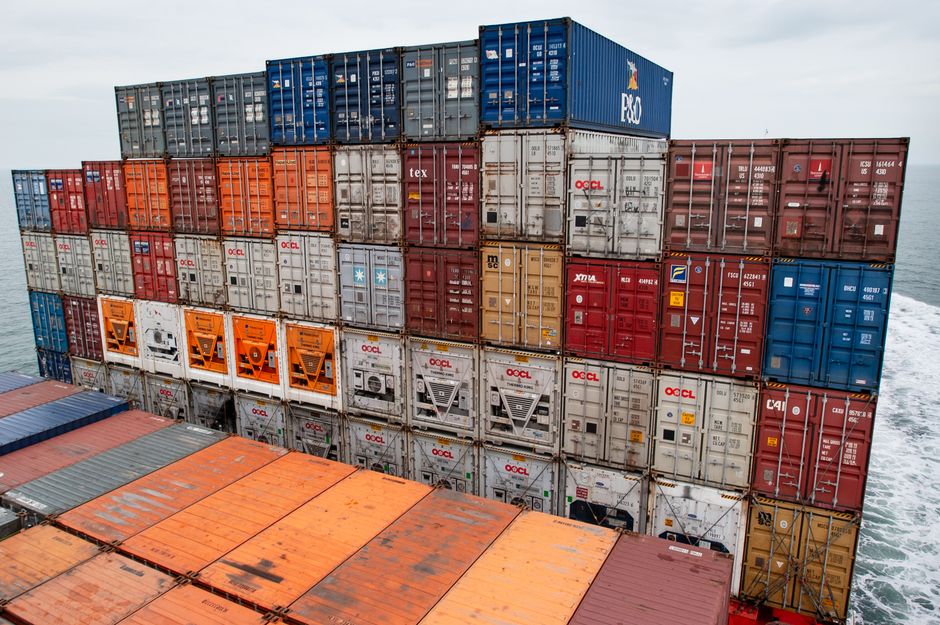
In today’s global economy, the shipping and transportation of goods have become more vital than ever. Companies and individuals alike are engaging in international trade, which brings with it various risks. One such risk is the potential loss or damage to goods during transit. This is where cargo insurance comes into play, providing a safety net for businesses and individuals by covering financial losses associated with shipping mishaps.
What is Cargo Insurance?
Cargo insurance is a type of insurance that protects goods transported by various means, including sea, air, and land. It helps cover the financial losses resulting from damage, theft, or loss of cargo during transit. Without this insurance, the financial burden of such incidents falls entirely on the shipper or consignee.
There are various types of cargo insurance policies available, depending on the nature of the goods being shipped and the mode of transportation. These policies can be tailored to meet the specific needs of the shipper, providing peace of mind throughout the shipping process.
Why is Cargo Insurance Essential?
Shipping goods without cargo insurance can lead to significant financial repercussions. According to industry statistics, approximately 1 in 10 shipments experiences some form of loss or damage. This means that businesses could potentially face substantial losses if they are not adequately insured. Moreover, many freight carriers have limited liability, which may not cover the full value of the goods in case of an incident.
Moreover, cargo insurance is essential for maintaining a good relationship with customers. When clients know that their goods are insured, they are more likely to trust the shipping process. This trust can ultimately lead to repeat business and a solid reputation in the market.
Types of Cargo Insurance
There are generally two main types of cargo insurance: all-risk coverage and named-perils coverage. All-risk coverage offers broader protection, covering a wide range of potential risks, including theft, damage, and loss. On the other hand, named-perils coverage specifies the risks covered, which could leave certain incidents unprotected.
Additionally, shippers can opt for policies that cover specific types of goods, such as perishable items, fragile products, or valuable merchandise. Understanding the different types of cargo insurance is crucial for selecting the right policy that adequately protects your goods during transit.
How to Choose the Right Cargo Insurance Policy
Choosing the right cargo insurance policy involves evaluating several factors, including the type of goods being shipped, the shipping route, and the value of the cargo. It is essential to work with a reputable insurance provider who understands the specifics of your shipping needs.
Furthermore, consider the claims process when selecting a policy. A streamlined claims process can save time and hassle in the event of an incident. It’s also advisable to read reviews and seek recommendations to ensure that you choose an insurance provider with a strong track record in the industry.
Common Myths About Cargo Insurance
Despite the numerous benefits, there are common misconceptions surrounding cargo insurance. One prevalent myth is that cargo insurance is too expensive for small businesses. However, many insurance providers offer competitive rates tailored to different business sizes and needs.
Another myth is that cargo insurance is only necessary for high-value shipments. In reality, even low-value shipments can incur significant losses, making insurance a wise investment for any shipper. Understanding these myths can help businesses make informed decisions about their shipping insurance needs.
Conclusion
In conclusion, cargo insurance is a vital component of the shipping process, providing financial protection against various risks associated with transporting goods. By understanding the importance of cargo insurance, the different types available, and how to choose the right policy, businesses can safeguard their interests and maintain customer trust. As the shipping landscape continues to evolve, having robust cargo insurance in place can make all the difference in ensuring a smooth and successful shipping experience. For more detailed information on the significance of this coverage, consider exploring resources that explain cargo insurance further.
About the Author