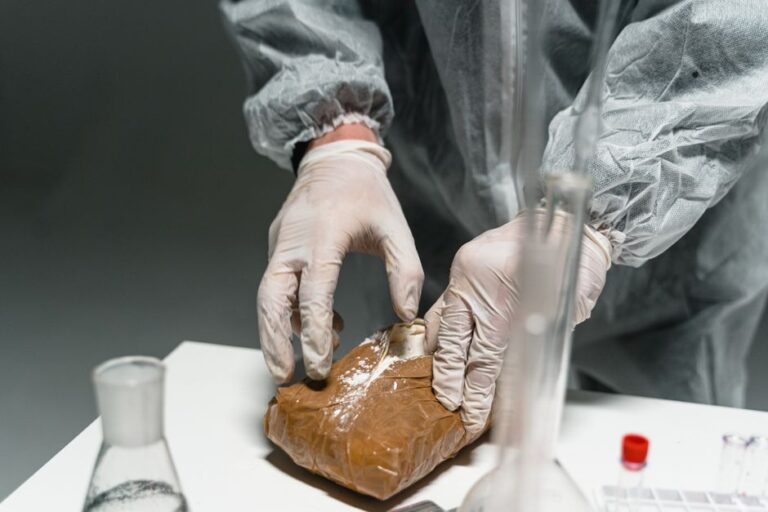

In today’s fast-paced world, maintaining a safe and drug-free environment is crucial for businesses, schools, and organizations. Drug testing services play a pivotal role in ensuring compliance with legal regulations, promoting workplace safety, and enhancing overall productivity. This article delves into the different aspects of drug testing services, their significance, and how they can benefit various sectors.
What Are Drug Testing Services?
Drug testing services are specialized programs designed to assess the presence of illegal substances or alcohol in an individual’s system. These services are often utilized by employers, law enforcement agencies, schools, and healthcare providers to ensure safety and compliance with regulations. The testing process can vary depending on the requirements, but it typically involves the collection of biological samples such as urine, saliva, hair, or blood.
Employers often implement drug testing services as part of their hiring process or as a condition of employment. This practice not only helps to create a safer work environment but also aids in reducing liability and insurance costs. According to the Substance Abuse and Mental Health Services Administration (SAMHSA), workplaces that implement drug testing programs report a 51% reduction in workplace accidents.
The Types of Drug Tests
There are several types of drug tests available, each with its own advantages and limitations. The most common types include:
- Urine Testing: This is the most widely used method due to its cost-effectiveness and reliability. Urine tests can detect a variety of substances, including marijuana, cocaine, and opioids.
- Saliva Testing: Saliva tests are non-invasive and can provide results quickly, often within minutes. However, they may not detect substances used over a longer period.
- Hair Testing: This method can detect drug use over a longer timeframe, typically up to 90 days. It is more expensive and not as commonly used for pre-employment screenings.
- Blood Testing: Blood tests are less common due to their invasive nature but are highly accurate and can provide immediate results.
Employers must choose the appropriate testing method based on their specific needs, the substances they want to test for, and the legal regulations that apply to their industry.
Benefits of Implementing Drug Testing Services
Implementing drug testing services can provide numerous benefits to organizations and institutions. Some of these include:
- Enhanced Workplace Safety: Drug testing helps to identify employees who may be under the influence of substances, thereby reducing the risk of accidents and injuries.
- Increased Productivity: A drug-free workplace can lead to improved employee performance, as individuals are more likely to be focused and reliable.
- Legal Compliance: Many industries are required to adhere to strict regulations regarding drug use. Regular testing ensures compliance and helps avoid potential legal issues.
- Improved Employee Morale: When employees know that their workplace prioritizes safety, they may feel more valued and secure in their positions.
By incorporating drug testing services, organizations can foster a healthier, safer, and more productive environment.
Challenges and Considerations
While drug testing services offer various advantages, they also come with their own set of challenges. One major concern is the privacy of employees. Organizations must ensure that they conduct tests in a manner that respects individual rights and complies with legal standards.
Additionally, false positives can occur with certain drug tests, leading to potential misunderstandings and disputes. It is crucial for organizations to have clear policies in place and provide employees with the opportunity to contest results if necessary.
Moreover, the evolving landscape of drug legalization, particularly regarding marijuana, poses challenges for employers. Organizations must stay informed about local and federal laws to navigate the complexities of drug testing effectively.
Future Trends in Drug Testing Services
As technology advances, the future of drug testing services is likely to evolve significantly. Innovations such as mobile testing units and at-home testing kits are making drug testing more accessible and convenient.
Moreover, the integration of data analytics and AI into drug testing services can enhance the accuracy of results and streamline the testing process. Employers may soon have access to sophisticated tools that allow for real-time monitoring and reporting of drug use trends within their organizations.
Finally, as societal attitudes towards drug use continue to shift, drug testing services may need to adapt to accommodate these changes while still prioritizing safety and compliance.
Conclusion
In conclusion, drug testing services are an essential component of maintaining a safe and compliant environment in various sectors. By understanding the types of tests available, the benefits they provide, and the challenges involved, organizations can make informed decisions about implementing these services. As the field of drug testing continues to evolve, staying informed and adapting to new trends will be crucial for maximizing the effectiveness of drug testing programs. For reliable and comprehensive drug testing services, organizations can rely on established providers to ensure they meet their safety and compliance needs.
About the Author