
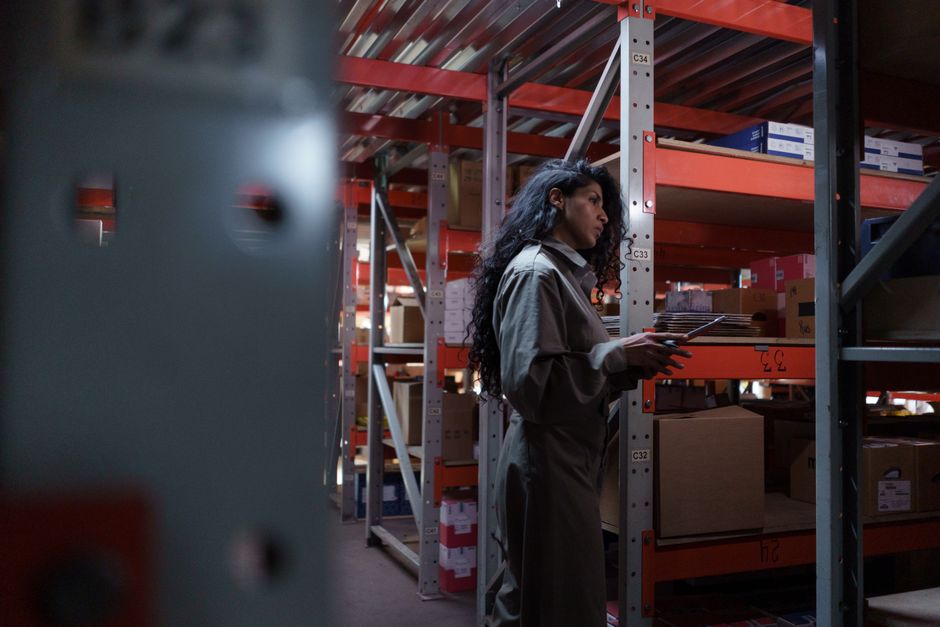
In today’s fast-paced business environment, the role of distributors has become increasingly vital. A distributor acts as an intermediary between manufacturers and retailers or consumers, ensuring that products reach the market efficiently. This article delves into the various aspects of distributors, their functions, and the impact they have on the supply chain.
What is a Distributor?
A distributor can be defined as a business entity that purchases products from manufacturers and sells them to retailers or directly to consumers. They play a crucial role in the supply chain by managing the logistics, storage, and distribution of goods. Distributors often specialize in specific product categories, allowing them to develop expertise and build relationships with both manufacturers and customers.
For instance, in the pharmaceutical industry, a distributor may handle the logistics of delivering medications to pharmacies and hospitals. This specialization not only enhances efficiency but also ensures that products are delivered in compliance with regulatory standards.
The Importance of Distributors in the Supply Chain
Distributors serve multiple functions that are essential to the smooth operation of the supply chain. One of their primary roles is to provide inventory management. By purchasing large quantities from manufacturers, distributors can stock products and maintain a steady supply for retailers. This helps to mitigate stockouts and ensures that consumers have access to the products they need.
Additionally, distributors often provide value-added services such as marketing support, training, and after-sales service. For instance, a distributor of electronic products may offer training sessions for retailers to better understand the features of new gadgets. This not only helps retailers sell more effectively but also enhances the overall customer experience.
Types of Distributors
There are various types of distributors, each serving different market needs. The most common types include:
- Wholesale Distributors: These distributors purchase large quantities of goods from manufacturers and sell them to retailers or other businesses. They often operate on a low-margin, high-volume basis.
- Value-Added Resellers (VARs): VARs enhance the value of a product by bundling it with additional services or products. For example, a software VAR may offer installation and support services along with the software itself.
- Exclusive Distributors: These distributors have exclusive rights to sell a manufacturer’s products in a specific territory. This arrangement can lead to stronger partnerships and more focused marketing efforts.
Challenges Faced by Distributors
Despite their importance, distributors face several challenges in the ever-evolving marketplace. One major challenge is the rise of e-commerce, which has changed consumer purchasing behaviors. Many consumers now prefer to buy directly from manufacturers online, bypassing traditional distribution channels.
This shift has forced distributors to adapt by enhancing their online presence and exploring new business models. For instance, some distributors have begun to offer their own e-commerce platforms to compete with direct-to-consumer sales from manufacturers.
Another challenge is managing supply chain disruptions. Events such as natural disasters, pandemics, or geopolitical tensions can impact the availability of goods. Distributors must be agile and responsive, often having to pivot their strategies to maintain supply continuity.
The Future of Distributors
The future of distributors seems promising as businesses continue to recognize the value they bring to the supply chain. With advancements in technology, such as automation and data analytics, distributors can streamline operations and provide even better service to their customers.
Moreover, as sustainability becomes increasingly important, distributors can play a key role in promoting eco-friendly practices. For instance, they can help manufacturers find sustainable packaging options or optimize logistics to reduce carbon footprints.
As part of this evolution, some distributors are also exploring partnerships with manufacturers to develop new products or improve existing ones. Such collaborations can lead to innovative solutions that benefit both parties and enhance the overall customer experience.
In this context, distributors can also explore products like dmso gel, which have gained popularity in various markets. By staying attuned to market trends, distributors can ensure they remain relevant and competitive.
Conclusion
In conclusion, distributors play a crucial role in the modern business landscape. They serve as the link between manufacturers and consumers, ensuring that products are available where and when they are needed. As the market evolves, distributors must adapt to new challenges and opportunities, leveraging technology and fostering partnerships to thrive in the future.
About the Author