
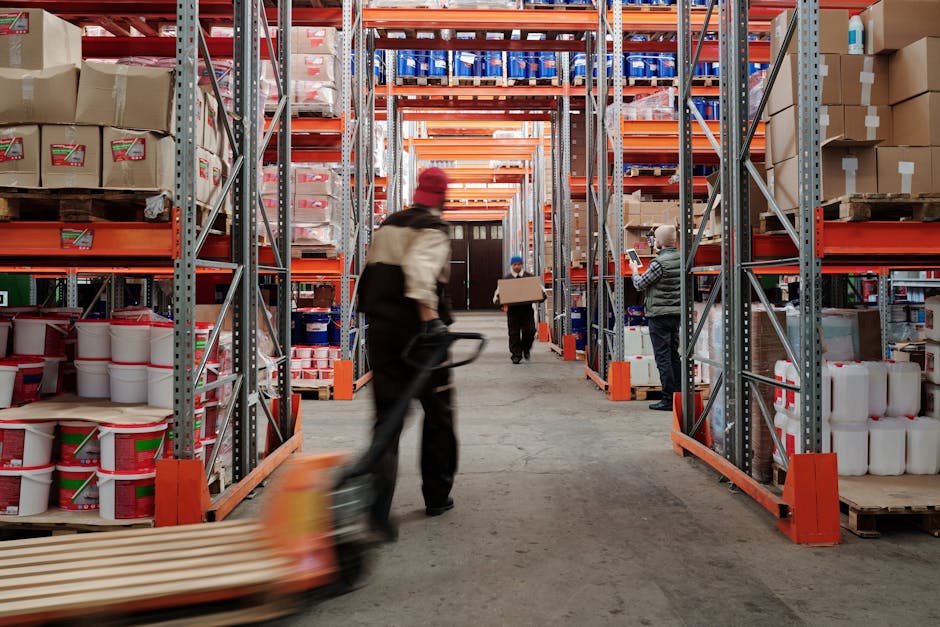
In today’s global economy, the role of distributors has become increasingly critical for businesses aiming to expand their reach and improve efficiency. Distributors act as intermediaries, bridging the gap between manufacturers and retailers or end consumers. Their importance cannot be overstated, as they facilitate the flow of goods and services in various industries, ensuring that products reach the market in a timely and cost-effective manner.
The Function of Distributors
Distributors play multiple roles that are essential for the supply chain. Firstly, they purchase large quantities of products from manufacturers, which allows for bulk buying and cost savings. This enables manufacturers to focus on production without worrying about the logistics of distribution. Furthermore, distributors handle warehousing, which means they store products until they are needed by retailers or consumers.
Additionally, distributors manage the transportation of goods, ensuring that products are delivered to the right location at the right time. This logistics management is crucial for maintaining the flow of products and preventing stockouts. By taking on these responsibilities, distributors allow manufacturers to streamline their operations and concentrate on their core competencies.
Types of Distributors
There are various types of distributors, each serving different market needs. Wholesalers are one of the most common types, buying products in bulk and selling them to retailers. They typically do not sell directly to consumers. In contrast, direct distributors sell products straight to end-users, often providing additional services like installation and maintenance.
Another type is exclusive distributors, who have the sole rights to distribute a particular product in a specific territory. This arrangement can be beneficial for both manufacturers and distributors, as it creates a sense of loyalty and reduces competition in that region. Moreover, value-added distributors offer additional services, such as product customization or technical support, which can significantly enhance the customer experience.
The Benefits of Working with Distributors
Partnering with distributors offers several advantages for businesses. One of the primary benefits is access to established distribution networks. Distributors often have extensive relationships with retailers and consumers, which can help manufacturers penetrate new markets more effectively. This network can be invaluable for businesses looking to expand their geographical reach without the need for significant investment in logistics.
Moreover, distributors can provide valuable market insights and feedback. They are on the front lines, interacting with customers and understanding their preferences. This information can be instrumental in guiding product development and marketing strategies. By leveraging the knowledge of distributors, businesses can make informed decisions that align with market demand.
Challenges Faced by Distributors
Despite their many advantages, distributors also face challenges in the modern business landscape. One significant issue is the increasing competition from e-commerce platforms. Online retailers often bypass traditional distribution channels, selling directly to consumers at lower prices. This shift has forced many distributors to adapt their business models and offer additional services to remain relevant.
Another challenge is managing inventory and logistics efficiently. With the rise in consumer expectations for fast delivery, distributors must optimize their supply chains to ensure timely fulfillment. This can require significant investment in technology and infrastructure, which can be a barrier for smaller distributors.
Future Trends in Distribution
Looking ahead, the role of distributors is likely to evolve further. One trend is the integration of technology into distribution processes. Automation and artificial intelligence can improve efficiency in inventory management and order fulfillment, allowing distributors to respond more quickly to market changes.
Additionally, sustainability is becoming increasingly important in the distribution industry. Consumers are more aware of environmental issues, and businesses are under pressure to adopt greener practices. Distributors that prioritize sustainability in their operations, such as reducing waste and optimizing transportation routes, can enhance their brand reputation and attract eco-conscious customers.
Finally, the rise of omnichannel retailing means that distributors must adapt to various sales channels. This requires flexibility and the ability to manage inventory across multiple platforms, ensuring that products are available where and when customers want them.
Conclusion
In conclusion, distributors play a vital role in the modern business ecosystem, serving as essential links between manufacturers and consumers. They provide numerous benefits, including cost savings, market access, and valuable insights. However, they also face challenges that require adaptation and innovation. As the industry evolves, distributors who leverage technology, embrace sustainability, and respond to changing consumer behaviors will be well-positioned for success. For those interested in enhancing their beauty regimen, exploring products like GLOW can be a part of a broader strategy to appeal to health-conscious consumers.
About the Author