In the ever-evolving landscape of music production, the demand for professional sound quality has led to a surge in the rental of recording studios. Whether you are an emerging artist, a seasoned musician, or a content creator looking to produce high-quality audio, understanding the nuances of recording studio rental can make a significant difference in your project’s outcome. This guide aims to delve into the essential aspects of renting a recording studio, from selecting the right space to maximizing your time and budget.
Understanding the Basics of Recording Studio Rental
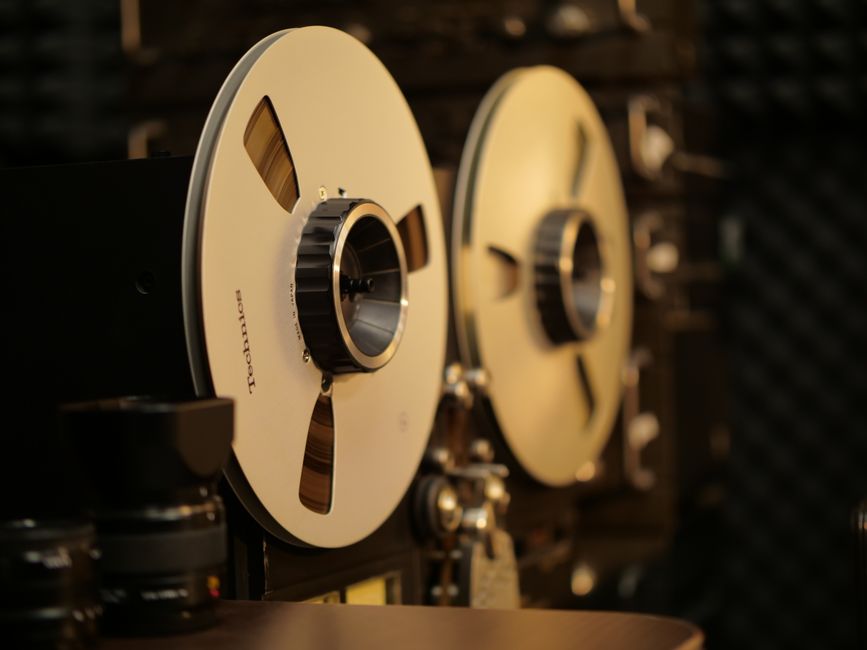
Before diving into the specifics, it’s important to grasp what a recording studio entails. Typically, a recording studio is equipped with high-end audio technology, soundproofing, and a professional setup designed for optimal sound capture. Studios vary in size and sophistication, catering to different needs and budgets. For instance, a basic studio might offer essential equipment, while a more advanced facility may include a range of instruments, mixing consoles, and sound engineers.
When considering recording studio rental, it’s crucial to assess your specific needs. Are you looking to record vocals, instruments, or perhaps a podcast? Understanding your requirements will help you choose the right studio that aligns with your creative vision.
Choosing the Right Studio
Once you have a clear understanding of your needs, the next step is to research potential studios. Factors to consider include the studio’s location, reputation, and the quality of equipment available. For example, studios in major cities often come with higher rental costs but may provide access to renowned sound engineers and state-of-the-art technology.
Moreover, consider visiting potential studios before making a decision. This will allow you to get a feel for the space, inquire about the equipment, and even meet the staff. Some studios may offer tours or trial sessions, which can be invaluable in determining if the studio is the right fit for you.
Budgeting for Your Studio Time
Budgeting is a critical aspect of any recording project. Studio rental costs can vary widely based on location, equipment, and the duration of your recording sessions. On average, you can expect to pay anywhere from $50 to $300 per hour, depending on the studio’s prestige and facilities.
To avoid overspending, create a detailed budget that includes not just the rental cost, but also additional expenses such as hiring sound engineers, purchasing food and drinks for your team, and any required post-production work. Being mindful of your budget will ensure that you can focus on your music rather than financial stress.
Maximizing Your Studio Time
Time is money in the world of recording, so it’s essential to utilize your studio time efficiently. Prior to your session, prepare thoroughly by rehearsing your material and organizing any additional elements such as lyrics, instruments, and equipment. A well-prepared session can significantly reduce recording time and improve the overall quality of your project.
During your studio time, communicate effectively with your sound engineer. Share your creative vision and any specific sounds or effects you are aiming for. Collaboration can lead to innovative solutions and enhance the final product.
After the Recording Session: What’s Next?
Once your recording session is complete, the next steps typically involve mixing and mastering your tracks. Some studios offer these services in-house, while others may recommend external professionals. Understanding the post-production process is crucial, as this is where your raw recordings are transformed into polished tracks ready for distribution.
Additionally, consider the distribution of your music. Platforms like Spotify, Apple Music, and SoundCloud have made it easier than ever to share your work with the world. Understanding how to navigate these platforms can help you reach a broader audience and maximize the impact of your music.
Conclusion
Renting a recording studio can be a transformative experience for any musician or content creator. By understanding the basics of studio rental, choosing the right space, budgeting wisely, and maximizing your time, you can ensure that your project achieves its full potential. Whether you are a novice or an experienced artist, the right recording environment can enhance your creativity and lead to remarkable results. So, take the plunge, rent that studio, and let your sound take flight!
About the Author