The world of manufacturing is undergoing a revolutionary transformation, thanks to the advent of 3D printing technology. Once a concept confined to the realms of prototyping and hobbyist projects, 3D printing has emerged as a viable solution for various industries. This article delves into the significance of 3D printing services, exploring their applications, benefits, and the potential they hold for the future.
Understanding 3D Printing Technology
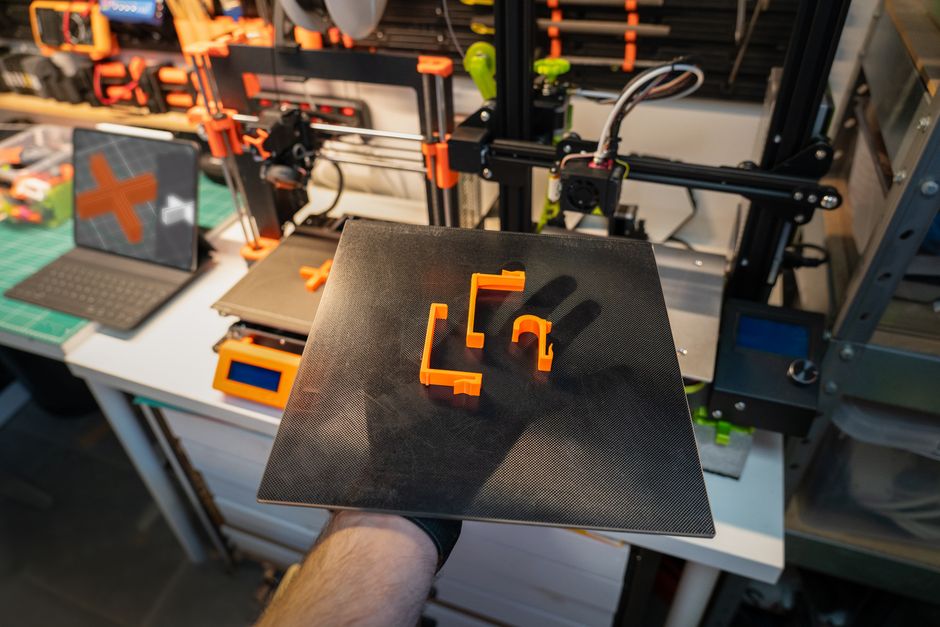
3D printing, also known as additive manufacturing, involves creating three-dimensional objects from a digital file. The process begins with a 3D model designed using computer-aided design (CAD) software. The printer then lays down successive layers of material, such as plastic, resin, or metal, to build the object layer by layer. This method contrasts sharply with traditional subtractive manufacturing processes, which typically involve cutting away material from a solid block.
One of the most significant advantages of 3D printing is its ability to produce complex geometries that would be impossible or prohibitively expensive to create using conventional manufacturing methods. For instance, intricate lattice structures can be designed to reduce weight without compromising strength, a benefit that is particularly advantageous in the aerospace and automotive industries.
Applications of 3D Printing Services
The versatility of 3D printing services has led to their adoption across various sectors. In the healthcare industry, 3D printing is revolutionizing the production of prosthetics and implants. Custom-fit prosthetic limbs can be designed and printed to match the exact specifications of the patient, enhancing comfort and functionality.
In the manufacturing sector, companies are using 3D printing to produce spare parts on demand, significantly reducing inventory costs and lead times. This on-demand production capability is especially vital in industries where equipment downtime can lead to substantial financial losses.
Moreover, the architectural field benefits from 3D printing by allowing architects to create detailed scale models of their designs. These models provide valuable insights during the design process and can be used for client presentations, making it easier to visualize the final product.
Benefits of Utilizing 3D Printing Services
The adoption of 3D printing services comes with a myriad of benefits that can lead to significant cost savings and efficiency improvements. One of the primary advantages is rapid prototyping. Designers can quickly create prototypes, test them, and iterate on their designs without the lengthy lead times associated with traditional manufacturing.
Additionally, 3D printing minimizes material waste. Since the process builds objects layer by layer, it only uses the material necessary to create the final product, as opposed to cutting away excess material. This not only reduces costs but also has a positive environmental impact.
Another key benefit is the ability to personalize products. Whether it’s customized jewelry, tailored orthopedic devices, or unique promotional items, 3D printing allows for mass customization, catering to individual customer preferences.
The Future of 3D Printing Services
As technology continues to evolve, the future of 3D printing services looks promising. Innovations in materials, such as bioprinting with organic materials, are paving the way for advancements in the medical field, potentially allowing for the printing of human tissues and organs in the future.
Moreover, the integration of artificial intelligence and machine learning with 3D printing will streamline design processes and improve the efficiency of production. Companies are beginning to explore the use of 3D printing in construction, with the potential to print entire buildings, significantly reducing construction time and labor costs.
As these technologies develop, the accessibility of 3D printing services will increase, enabling even small businesses and startups to leverage this innovative approach to manufacturing. The democratization of manufacturing is on the horizon, allowing more individuals and companies to bring their ideas to life.
Conclusion
The rise of 3D printing services represents a significant shift in how products are designed and manufactured. With its ability to create complex geometries, reduce material waste, and enable rapid prototyping, 3D printing is transforming industries and paving the way for future innovations. As businesses continue to embrace this technology, the potential for customization and efficiency will only grow. For those looking to leverage the benefits of 3D printing, exploring professional 3D printing services is a crucial step toward staying competitive in an ever-evolving market.
About the Author