
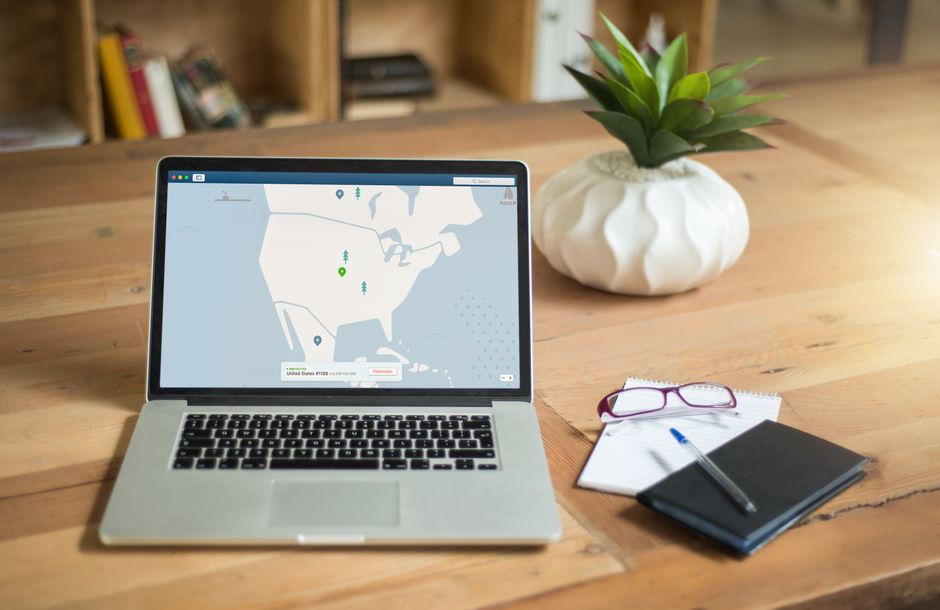
In an age where our online privacy is constantly at risk, the significance of a Virtual Private Network (VPN) cannot be overstated. A VPN service encrypts your internet traffic, shielding your data from prying eyes and allowing you to browse the web anonymously. Whether you are accessing sensitive information at work or streaming content while traveling, a reliable VPN can enhance your online experience. In this article, we will delve into the workings, benefits, and various types of VPN services available today.
Understanding VPN: How Does It Work?
A VPN creates a secure connection between your device and the internet by routing your data through a remote server. This means that your IP address is masked, making it appear as though you are browsing from the location of the VPN server instead of your actual geographical location. When you connect to a VPN server, your internet traffic is encrypted, rendering it unreadable to anyone attempting to intercept it.
The encryption process involves converting your data into a code that can only be deciphered by authorized parties. This is particularly useful when using public Wi-Fi networks, which are often targeted by cybercriminals. By utilizing a VPN service, you significantly reduce the risk of data theft and identity fraud.
Moreover, VPNs enable you to bypass geographical restrictions imposed by websites and online services. For instance, if a streaming service is unavailable in your country, connecting to a VPN server in a different region can grant you access to that content.
The Benefits of Using a VPN
There are numerous advantages to using a VPN service. First and foremost, enhanced security is a primary benefit. By encrypting your data, a VPN protects your sensitive information from hackers and cyber threats. Additionally, many VPN providers offer features such as a kill switch, which disconnects your internet if the VPN connection drops, ensuring that your data remains safe at all times.
Another significant benefit is privacy. With increasing surveillance and data collection from governments and corporations, a VPN allows you to maintain your anonymity online. Your online activities are not easily traceable, which is particularly appealing to individuals concerned about privacy.
Furthermore, using a VPN can improve your internet speed in certain situations. Some internet service providers may throttle bandwidth for specific activities, like streaming or gaming. A VPN can help you bypass these restrictions, potentially leading to faster connection speeds.
Types of VPN Services
When choosing a VPN service, it is essential to understand the different types available. The most common types are remote access VPNs and site-to-site VPNs. Remote access VPNs allow individual users to connect to a private network, while site-to-site VPNs connect entire networks, facilitating secure communication between different locations.
Additionally, there are different protocols associated with VPN services, such as OpenVPN, L2TP/IPsec, and PPTP. Each protocol has its strengths and weaknesses in terms of speed, security, and ease of use. OpenVPN is widely regarded as one of the most secure options, while PPTP is known for its speed but offers less robust security features.
Furthermore, some VPN services specialize in specific functions, such as streaming or gaming, offering optimized servers for those activities. When selecting a VPN, consider what you primarily intend to use it for to find the best fit for your needs.
Choosing the Right VPN Service
Selecting a VPN service can be overwhelming given the plethora of options available. Key factors to consider include the level of encryption, the number of available servers, connection speed, and customer support. It is vital to choose a VPN provider that has a solid reputation and transparent privacy policies.
Reading user reviews and expert recommendations can be beneficial in evaluating potential VPN services. Additionally, many reputable VPN providers offer a free trial or a money-back guarantee, allowing you to test the service before making a long-term commitment.
Lastly, consider the cost of the service. While free VPNs may seem appealing, they often come with limitations, such as slower speeds, fewer server options, and potential privacy concerns. Investing in a reliable paid VPN service is usually worth it for the added security and features.
Conclusion: Is a VPN Right for You?
In conclusion, a VPN service is an invaluable tool for ensuring your online privacy and security. Whether you are looking to protect sensitive information, access geographically restricted content, or simply enhance your internet browsing experience, a VPN can meet your needs. As cyber threats continue to rise and online privacy becomes increasingly compromised, investing in a trustworthy VPN service is a proactive step toward safeguarding your digital life. For those seeking a comprehensive comparison of top options, you can explore various reviews and lists of the best VPN services available online, such as VPN service.
About the Author